Wine in the Middle Ages: Storage and Serving in Medieval Households

Discover how medieval households stored, served, and celebrated wine long before modern preservation
Wine
Wine
6 min
Step back into the Middle Ages and explore the fascinating world of wine in medieval Europe. Learn how people kept their wine fresh without glass bottles or refrigeration, the vessels they used, and the customs that turned every pour into a symbol of hospitality and status.
Elias Bell
Elias
Bell

Wine in the Middle Ages: Storage and Serving in Medieval Households

Discover how medieval households stored, served, and celebrated wine long before modern preservation
Wine
Wine
6 min
Step back into the Middle Ages and explore the fascinating world of wine in medieval Europe. Learn how people kept their wine fresh without glass bottles or refrigeration, the vessels they used, and the customs that turned every pour into a symbol of hospitality and status.
Elias Bell
Elias
Bell

For centuries, wine has been a cornerstone of European culture, and during the Middle Ages it played a vital role in both daily life and grand celebrations. But how was wine stored and served in a time before glass bottles, refrigeration, or modern preservation methods? A look inside medieval households reveals a world of wooden casks, earthenware jugs, and elaborate social customs surrounding the enjoyment of wine.

From Vineyard to Table

In medieval Europe, wine was not reserved solely for the wealthy. In regions such as France, Italy, and parts of Germany, it was a common part of the diet, especially among the clergy, nobility, and urban dwellers. Water was often unsafe to drink, so diluted wine was considered a healthier alternative. In northern areas like England or Scandinavia, where the climate made viticulture difficult, wine was imported from southern Europe and thus carried a higher price and greater prestige.

Monasteries were central to the production and distribution of wine. Monks cultivated vineyards, refined fermentation techniques, and ensured that wine became an integral part of both religious ceremonies and daily sustenance. Their careful record-keeping and experimentation helped preserve viticultural knowledge through centuries of political and social upheaval.

Storage: Barrels, Cellars, and Clay Vessels

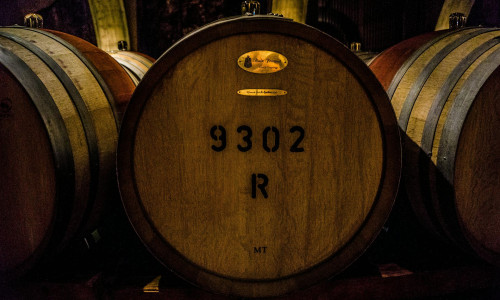
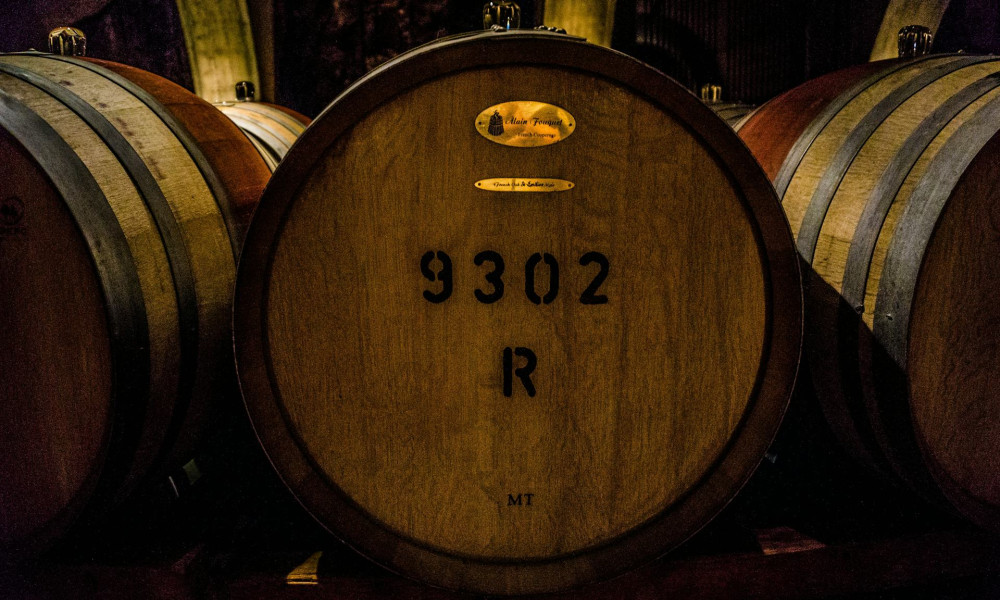
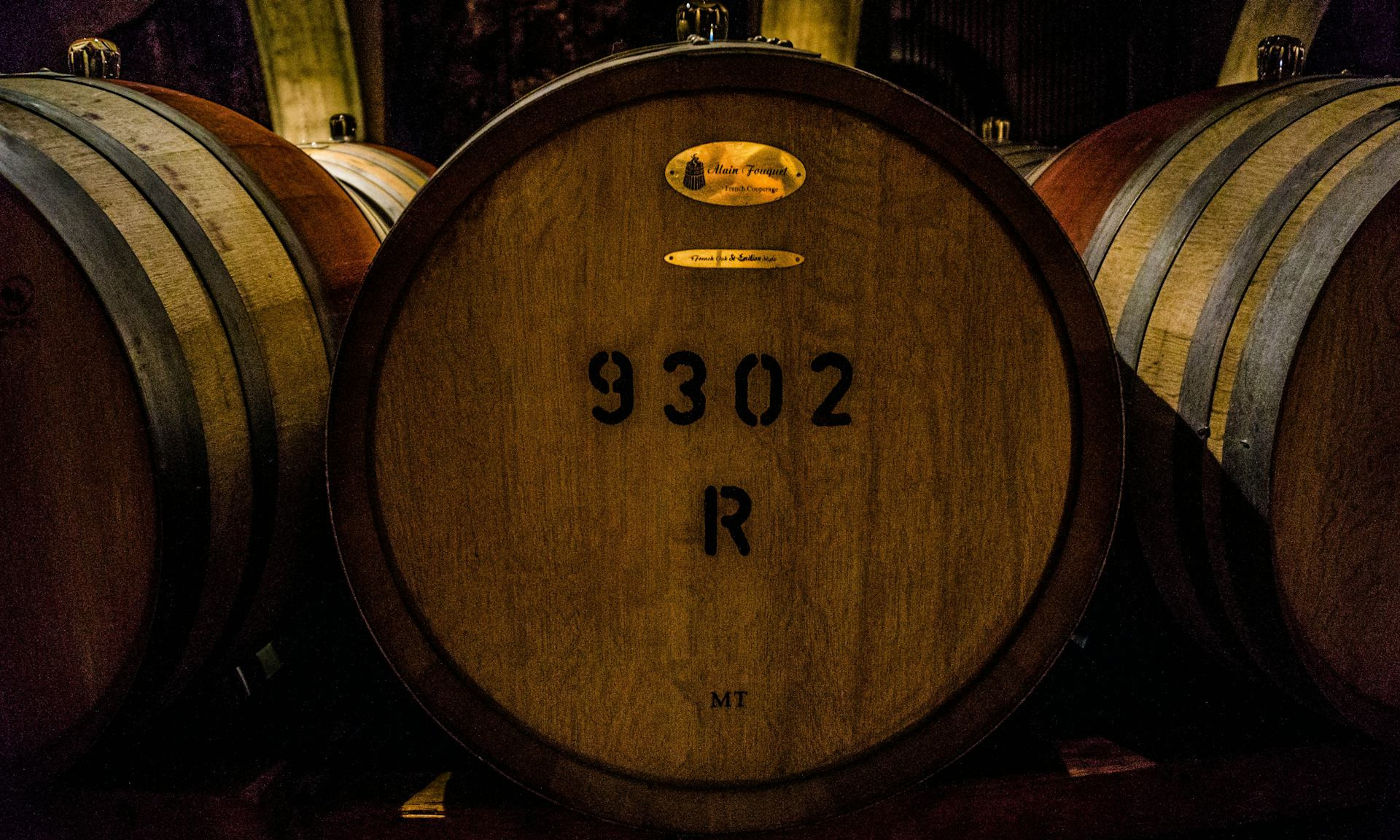
Before the widespread use of glass bottles in the 17th century, wine was stored primarily in wooden barrels—most often made of oak—or in large clay jars, depending on local resources and wealth. The wooden cask was practical for transport and reuse, but it also posed challenges: wine could absorb the flavor of the wood, and exposure to air was a constant threat to its quality.

In larger estates and monasteries, wine was kept in cool, underground cellars where the temperature remained relatively stable throughout the year. This helped slow spoilage, though most wines were consumed within a year of production. Long-term aging, as we know it today, was rare.

To reduce evaporation and oxidation, barrels were sealed with wax or resin. In southern Europe, amphorae—large clay vessels with narrow necks—were also used, sealed with cork or clay stoppers to keep the contents fresh for as long as possible.

Serving: Rituals of Hospitality and Status

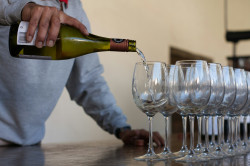
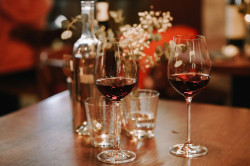
When it came time to serve the wine, it was drawn from the barrel into smaller containers—pitchers or jugs made of metal, ceramic, or glass for those who could afford it. At the tables of the wealthy, wine was poured into ornate goblets of silver or pewter, while common folk drank from wooden or earthenware cups.

Serving wine was not merely a practical act but a social ritual. At feasts, wine was often mixed with water, spices, or honey—a tradition inherited from ancient Rome. Spiced wine, known as “hypocras,” was especially popular among the upper classes and was believed to aid digestion as well as delight the palate.

In noble households, a designated cupbearer or steward was responsible for tasting the wine before it was served. This was both a mark of honor and a precaution against poisoning, a real concern in the volatile politics of the medieval court.

Wine in Everyday Life

While wine symbolized wealth and refinement, it was also part of everyday life for many. Monks received daily rations of wine, and townspeople could purchase inexpensive local varieties or watered-down versions. Among peasants, beer or mead was more common, but wine still appeared at weddings, religious festivals, and other special occasions.

The quality of medieval wine varied widely. Some were sweet and strong, others sour and short-lived. Because of this, wine was often used in cooking—to tenderize meat, enrich sauces, or preserve fruit. Even when not drunk, it remained a valuable ingredient in the medieval kitchen.

From Medieval Cellars to Modern Traditions

The methods of storing and serving wine in the Middle Ages laid the foundation for many traditions that endure today. The cool, dark cellars of monasteries inspired the modern wine cellar, and the rituals of pouring, tasting, and sharing wine continue to carry social and symbolic meaning. Though technology has transformed winemaking, the medieval respect for craftsmanship and conviviality still echoes in every glass raised in celebration.

How to make healthy and delicious meals in less than 30 minutes
This e-book offers quick recipes and easy methods for creating healthy meals, even when time is tight. Learn about ingredients that can make cooking both healthy and tasty without compromising on quality.
Get the guide
Avoid Fermentation Mistakes: A Winemaker’s Guide to a Stable Wine Process
Master the art of fermentation and secure a flawless wine every time
Wine
Wine
Winemaking
Fermentation
Wine Production
Home Winemaking
Wine Quality
3 min
Fermentation can make or break your wine. Learn how to prevent common fermentation issues with practical tips on preparation, yeast selection, and process control. Whether you’re a professional vintner or a passionate home winemaker, this guide helps you achieve a stable and high-quality result.
Adrian Robinson
Adrian
Robinson
Sparkling Wines – The Light and Elegant Alternative to Still Wines
Discover the charm and versatility of sparkling wines beyond special occasions
Wine
Wine
Sparkling Wine
Champagne
Prosecco
Wine Guide
Wine Trends
3 min
Sparkling wines are no longer reserved for celebrations—they’ve become a refreshing choice for everyday enjoyment. Learn about the different types, how to choose the right bottle, and why these effervescent wines are capturing the hearts of wine lovers across the U.S.
Journey Reed
Journey
Reed
Develop Your Wine Palate: How to Get Better at Tasting the Nuances
Discover how to refine your senses and truly appreciate every sip of wine
Wine
Wine
Wine Tasting
Wine Education
Wine Appreciation
Food and Wine
Lifestyle
5 min
Learning to taste wine is about more than preference—it’s about perception. This guide shows you how to train your palate, recognize subtle aromas and textures, and gain confidence in identifying the unique character of each wine.
David Martínez
David
Martínez
Wine in the Middle Ages: Storage and Serving in Medieval Households
Discover how medieval households stored, served, and celebrated wine long before modern preservation
Wine
Wine
Medieval History
Wine Culture
Daily Life
European Traditions
Food and Drink
6 min
Step back into the Middle Ages and explore the fascinating world of wine in medieval Europe. Learn how people kept their wine fresh without glass bottles or refrigeration, the vessels they used, and the customs that turned every pour into a symbol of hospitality and status.
Elias Bell
Elias
Bell
Wine and Food Pairing – Learn the Basic Principles
Discover how the right wine can transform your meal into a memorable experience
Wine
Wine
Wine
Food Pairing
Dining
Gastronomy
Wine Education
4 min
Learn the essential principles of pairing wine and food to achieve perfect balance and harmony. This guide helps you understand taste, intensity, and tradition so you can confidently choose wines that enhance every dish.
Sage Hunter
Sage
Hunter
One Dish, Many Flavors: How to Please the Whole Family
Discover simple ways to cook one meal that satisfies every taste at the table
Eat
Eat
Family Cooking
Meal Planning
Easy Recipes
Home Cooking
Dinner Ideas
6 min
Tired of juggling different dishes for picky eaters and spice lovers alike? Learn how to create flexible, family-friendly meals that let everyone customize their plate — and make dinnertime easier and more enjoyable for you.
Adrian Robinson
Adrian
Robinson
From Christmas to Midsummer: The Holidays That Shaped Our Food Traditions
Discover how America’s favorite holidays have shaped the way we cook, eat, and celebrate together
Eat
Eat
Food Traditions
Holidays
American Culture
Seasonal Cooking
Celebration
4 min
From Christmas feasts to Midsummer gatherings, our holiday tables tell the story of a nation’s evolving tastes and traditions. Explore how each celebration—from winter comfort foods to summer barbecues—reflects history, culture, and community spirit.
Journey Reed
Journey
Reed
Time, Heat, and Cold: How to Influence the Flavor and Texture of Ingredients
Master the art of cooking by understanding how time, heat, and cold shape every ingredient
Eat
Eat
Cooking Techniques
Food Science
Culinary Skills
Flavor
Kitchen Tips
4 min
Discover how temperature and timing transform flavor, texture, and aroma in your dishes. Learn to use heat for depth, cold for freshness, and time for balance — and take your cooking skills to a new level.
David Martínez
David
Martínez
Health Without Rules – Eat a Variety and Enjoy Your Food
Discover a balanced approach to eating that celebrates variety, pleasure, and well-being
Eat
Eat
Healthy Eating
Mindful Living
Nutrition
Wellness
Lifestyle
6 min
Step away from strict diet rules and rediscover the joy of eating. This article explores how embracing variety, listening to your body, and enjoying your meals can lead to a healthier, more sustainable relationship with food.
Elias Bell
Elias
Bell