Time, Heat, and Cold: How to Influence the Flavor and Texture of Ingredients

Time, Heat, and Cold: How to Influence the Flavor and Texture of Ingredients
When you cook, time, heat, and cold aren’t just practical factors — they’re the foundation of flavor, texture, and experience. The way you control temperature and cooking time can turn a raw vegetable into a sweet, caramelized treat or make a tough cut of meat tender and juicy. Understanding how heat and cold affect ingredients is essential if you want to elevate your cooking from good to exceptional.
Heat: Where Flavor and Texture Are Born
Heat is the most obvious force in the kitchen. It makes proteins firm, sugars caramelize, and fats melt. But how you apply heat makes all the difference.
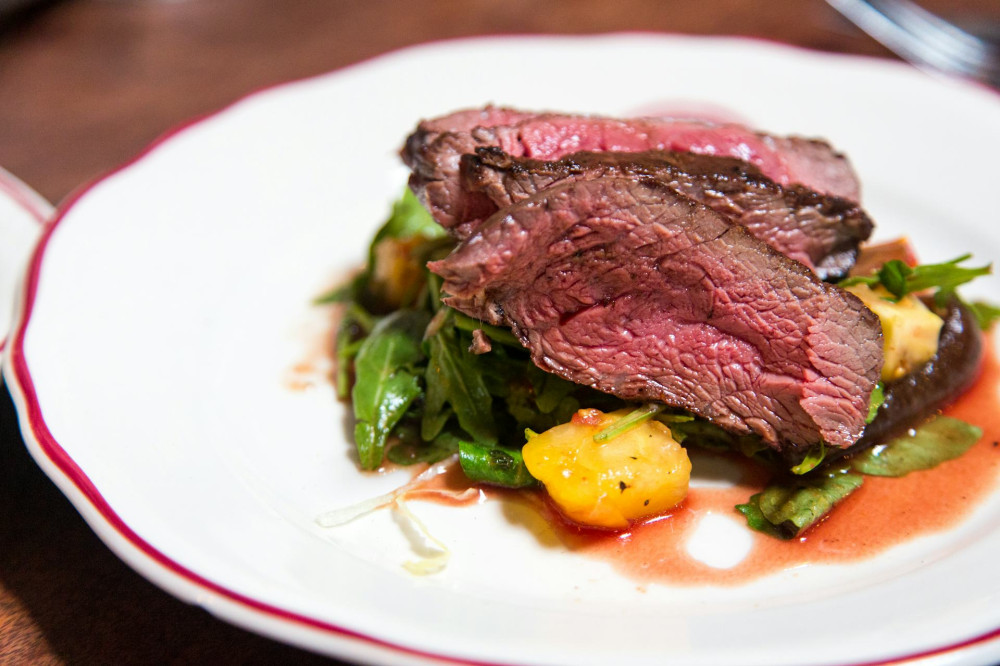
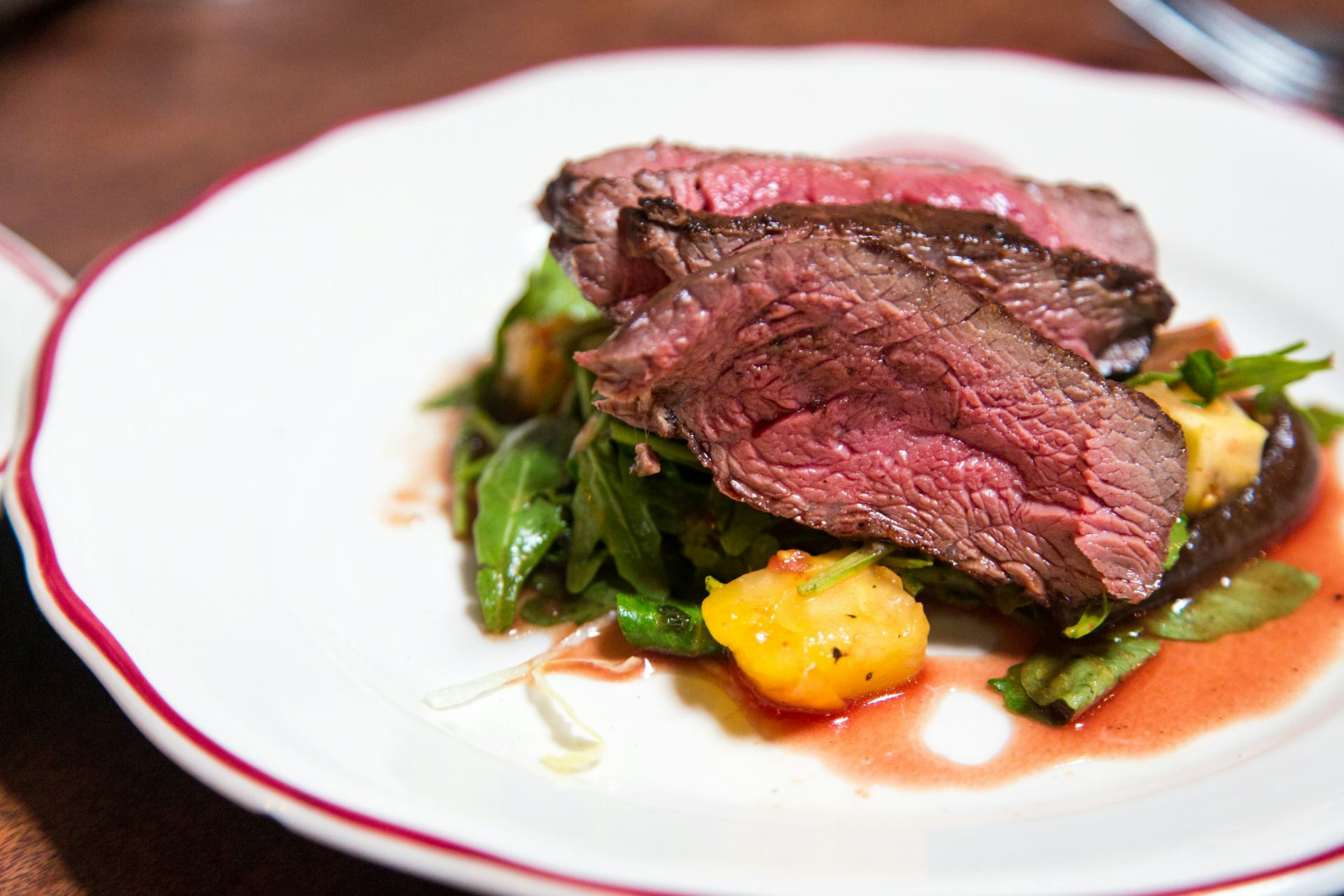
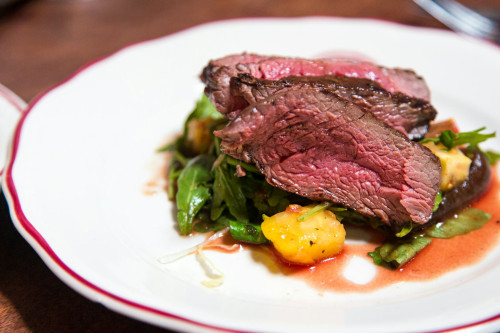
- Searing and baking trigger the Maillard reaction — a chemical process where amino acids and sugars combine to create new flavor compounds. It’s what gives a steak its savory crust and bread its golden aroma.
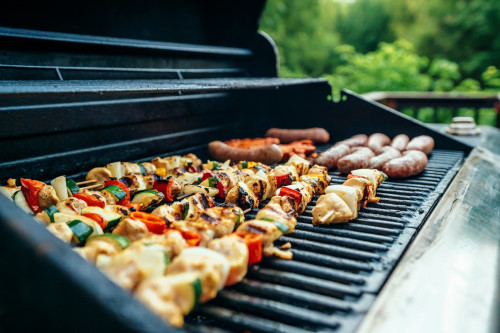
- Boiling and steaming preserve moisture but can also wash out flavor if overdone. Vegetables lose both color and crunch when overcooked, while brief cooking keeps them bright and nutrient-rich.
- Slow roasting at low temperatures breaks down connective tissue in meat, making it tender and flavorful. It takes patience, but the reward is deep, complex taste.
Mastering heat isn’t just about temperature — it’s about timing and balance. Too much heat can ruin delicate ingredients, while too little can leave food bland and underdeveloped.
Læs også:
Cold: Preservation, Texture, and Freshness
Cold plays an equally important role — just in the opposite direction. It slows bacterial growth, preserves freshness, and can transform texture in surprising ways.
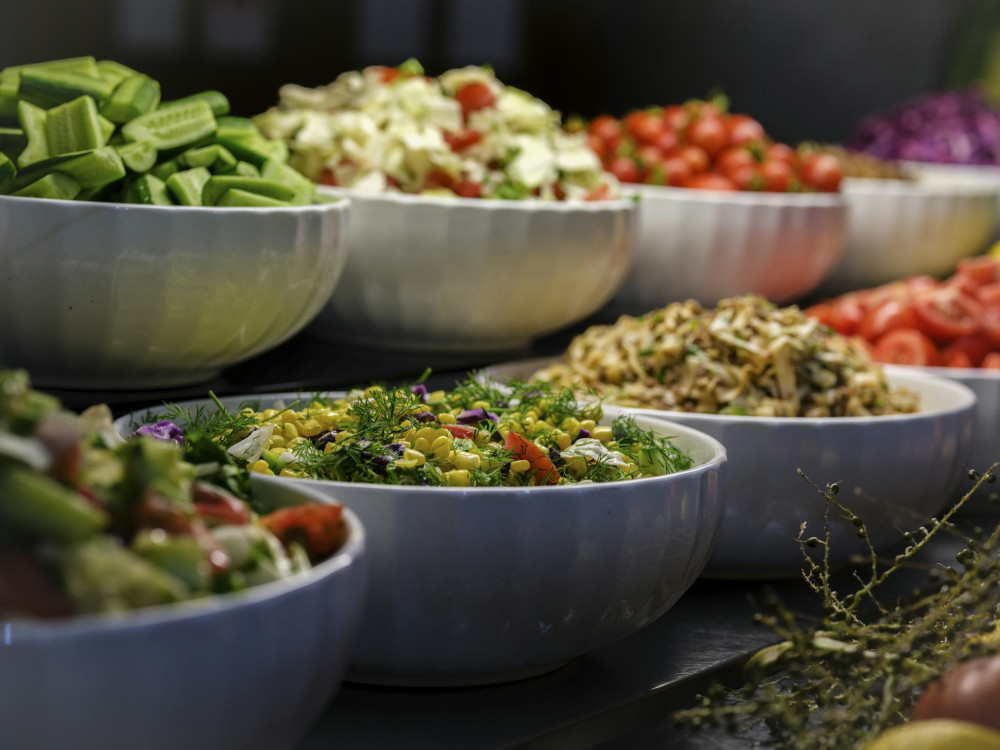
- Refrigeration keeps fruits, vegetables, and meats fresh longer, but not all ingredients thrive in the cold. Tomatoes and cucumbers lose flavor and texture in the fridge, while meat and dairy need low temperatures to stay safe.
- Freezing halts nearly all biological activity but can alter cell structure. As water inside food freezes, it expands and can rupture cell walls — that’s why thawed berries often turn soft.
- Ice baths — used to shock blanched vegetables — lock in color, crispness, and nutrients. It’s a technique widely used in professional kitchens to preserve texture and vibrancy.
Cold isn’t just about storage; it’s a tool for controlling texture and freshness with precision.
Time: The Invisible Ingredient
Time may be the most underestimated factor in cooking. It influences everything from flavor development to consistency — both during and after cooking.
- Marinating and proofing require time to work. A marinade needs hours to penetrate meat, and dough needs time to develop gluten and flavor.
- Slow-cooked dishes improve the longer they simmer. Flavors meld, and textures soften into harmony.
- Resting time after cooking is crucial for meat. Letting it rest allows juices to redistribute, resulting in a more tender and evenly cooked piece.
- Aging and fermentation — as in cheese, wine, or pickled vegetables — show how time can create entirely new flavor dimensions.
Giving food time is an exercise in patience, but it’s often where the magic happens.
The Interplay of the Three Factors
Time, heat, and cold rarely act alone. They interact in nearly every cooking process. When you bake bread, for example, you start with a slow rise (time), then a burst of heat in the oven (heat), and finally cooling that stabilizes the crumb (cold).
The same applies to many dishes: a soup that cools and rests overnight often tastes better the next day because the flavors have had time to blend. Or a dessert that’s baked and then chilled to set the perfect texture.
Understanding this interplay is at the heart of great cooking — it’s not just about following recipes, but about reading your ingredients and responding to how they change.
Putting Knowledge into Practice
If you want to improve your cooking, start experimenting intentionally:
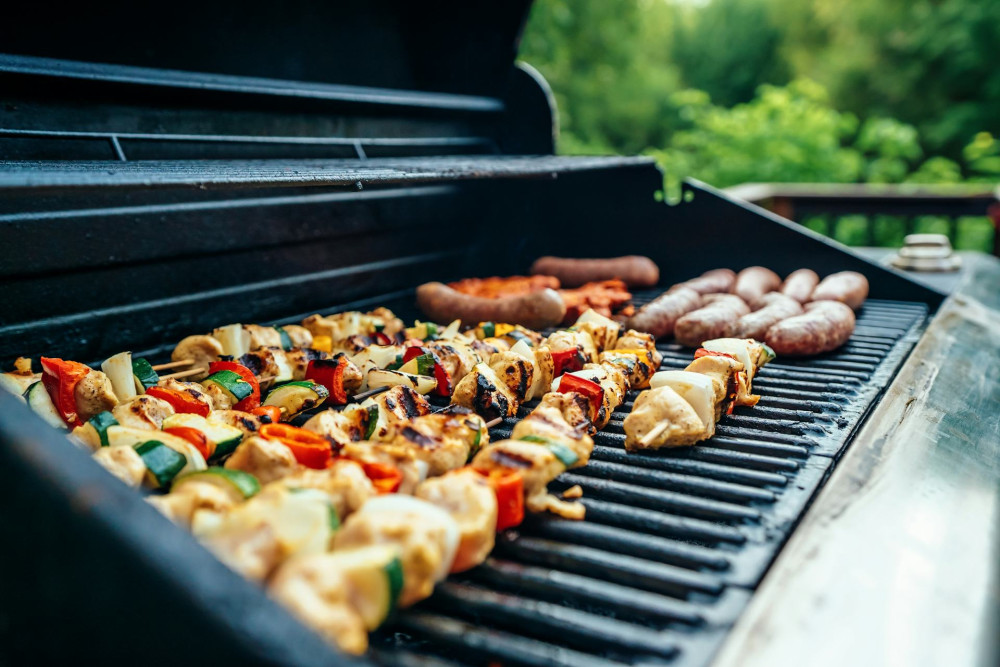
- Try cooking the same ingredient in different ways — steamed, roasted, or grilled — and notice how flavor and texture shift.
- Pay attention to how resting or chilling changes the final result.
- Use a thermometer and timer as guides, but also trust your senses — smell, sound, and texture often tell you more than numbers.
Once you understand how time, heat, and cold work together, you gain a new language in the kitchen. Cooking becomes both science and craft — and that’s where the best flavors are born.
Læs også: