Wine and Food Pairing – Learn the Basic Principles

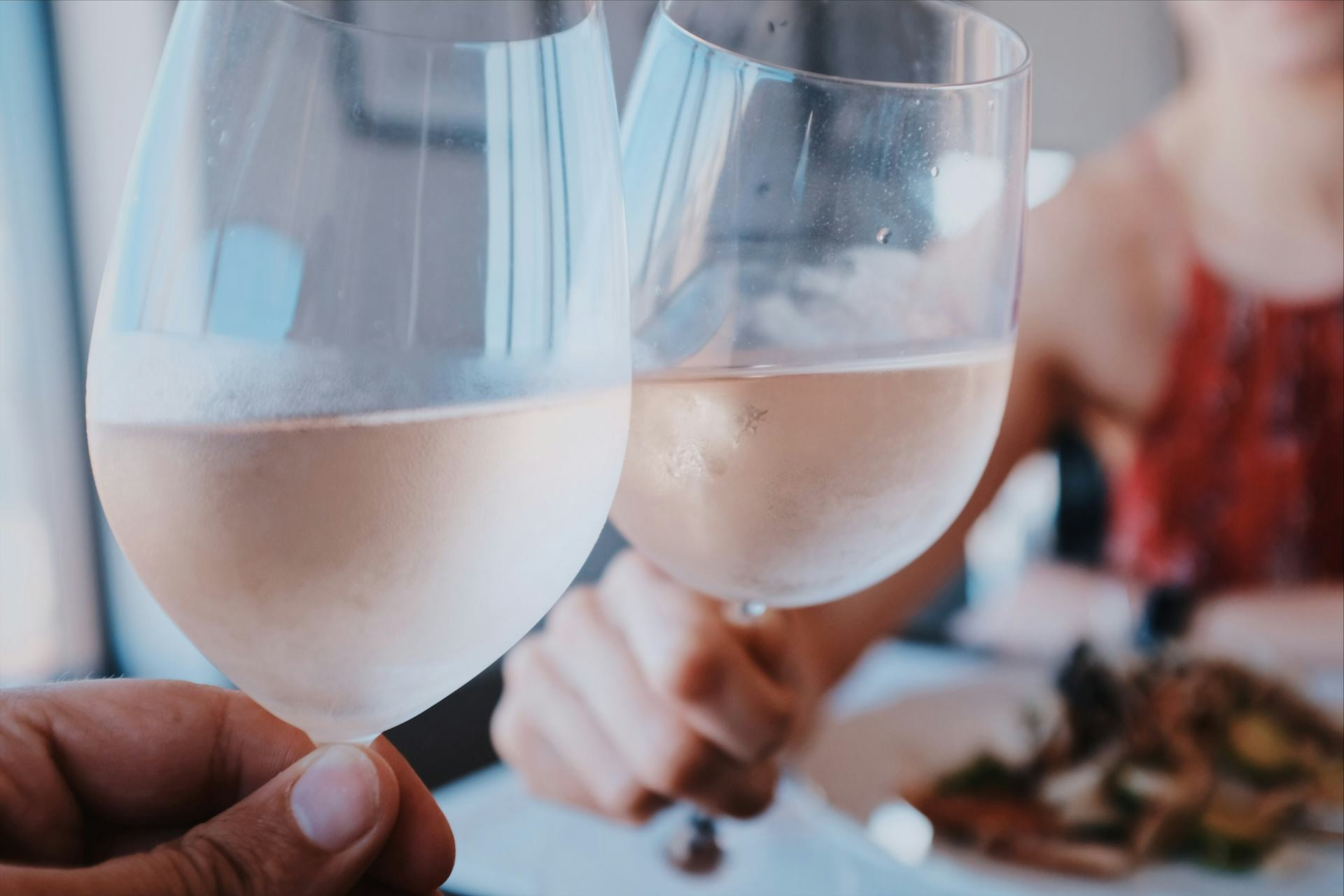
Discover how the right wine can transform your meal into a memorable experience
Wine
Wine
4 min
Learn the essential principles of pairing wine and food to achieve perfect balance and harmony. This guide helps you understand taste, intensity, and tradition so you can confidently choose wines that enhance every dish.
Sage Hunter
Sage
Hunter

Wine and Food Pairing – Learn the Basic Principles

Discover how the right wine can transform your meal into a memorable experience
Wine
Wine
4 min
Learn the essential principles of pairing wine and food to achieve perfect balance and harmony. This guide helps you understand taste, intensity, and tradition so you can confidently choose wines that enhance every dish.
Sage Hunter
Sage
Hunter

Pairing wine and food is not just about taste – it’s about balance, harmony, and creating an experience. When wine and food complement each other, they elevate the meal into something greater than the sum of its parts. But how do you know what works together? Here’s an introduction to the basic principles that will help you choose wine with confidence – and enjoy your meals even more.

The Basic Taste Principles

Wine and food meet on the palate, so it’s important to understand how they interact. The five basic tastes – sweet, sour, salty, bitter, and umami – all play a role.

  • Sweetness in food makes wine taste more bitter and acidic. That’s why the wine should always be at least as sweet as the dish. Sweet desserts, for example, call for sweet wines.
  • Acidity in food can make wine taste fresher and more vibrant – but only if the wine has enough acidity itself. A crisp white wine pairs beautifully with dishes that include lemon, tomato, or vinegar.
  • Salt softens bitterness and enhances fruit flavors in wine. This is one reason why salty foods often pair well with wines that have noticeable tannins.
  • Bitterness (from ingredients like kale, coffee, or dark chocolate) can be amplified by tannins in wine. It’s best to avoid pairing very bitter dishes with highly tannic wines.
  • Umami, found in foods like mushrooms, aged cheese, and meat, can make wine taste more bitter and less fruity. Adding a touch of salt or acidity to the dish can help restore balance.

Match by Intensity

One of the most important principles is to match the intensity of the wine and the dish. A delicate wine will be overwhelmed by a rich dish, while a bold wine can overpower a light one.

  • Light dishes (like fish, salads, or chicken) pair best with light wines such as Sauvignon Blanc, Pinot Grigio, or a crisp rosé.
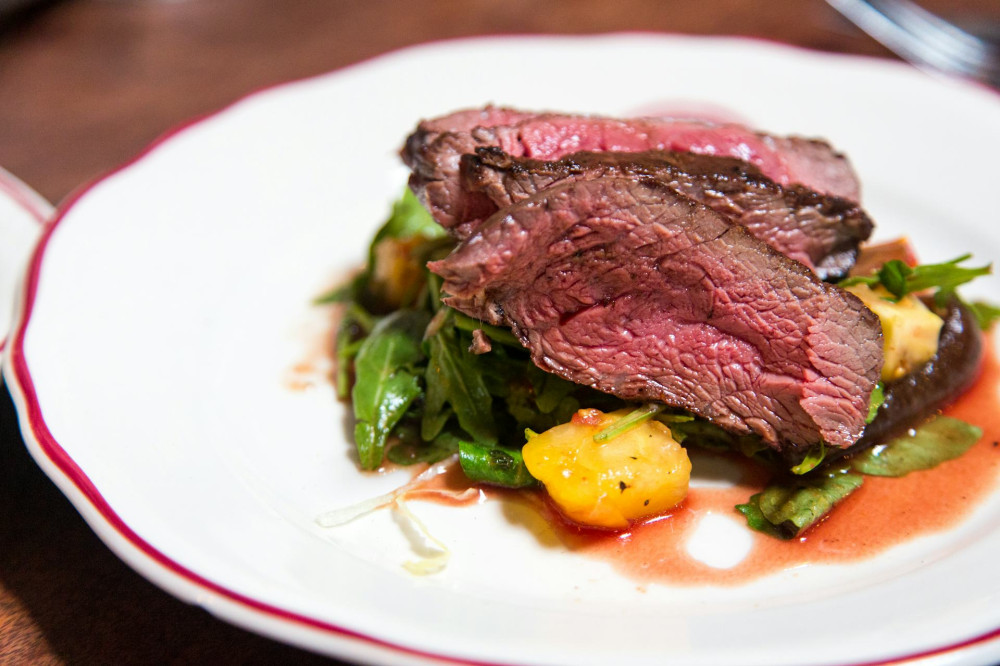
  • Rich dishes (like beef, lamb, or game) need wines with more body and structure – think Cabernet Sauvignon, Syrah, or a full-bodied red blend.
  • Medium-bodied dishes (like pasta, pork, or grilled vegetables) work well with versatile wines such as Chardonnay, Merlot, or Grenache.

Think of wine and food as two voices in a duet – they should sing in the same key.

Region and Tradition – Nature’s Own Logic

A great starting point is to look at what people traditionally drink in the regions where the food originates. There’s often a natural harmony between local ingredients and local wines.

  • Italian dishes with tomato, olive oil, and herbs almost always pair well with Italian wines like Chianti or Barbera.
  • French cheeses often find their best match in French wines – for example, Sancerre with goat cheese or Bordeaux with firm cow’s milk cheeses.
  • Spanish tapas with ham and olives pair beautifully with a dry sherry or a Rioja.

It’s no coincidence – wine and food evolve side by side in the same climates and cultures.

Think in Contrasts and Harmony

There are two main approaches to pairing wine and food: harmony and contrast.

  • With harmony, you choose wine and food that share similar characteristics. A creamy pasta dish with butter or cream pairs nicely with a round, buttery Chardonnay.
  • With contrast, you choose wine that balances the dish. A crisp, acidic white wine can cut through the richness of a buttery sauce, while a sweet wine can soften the heat of a spicy dish.

Both methods can lead to wonderful results – it’s all about finding the balance you enjoy most.

Practical Examples

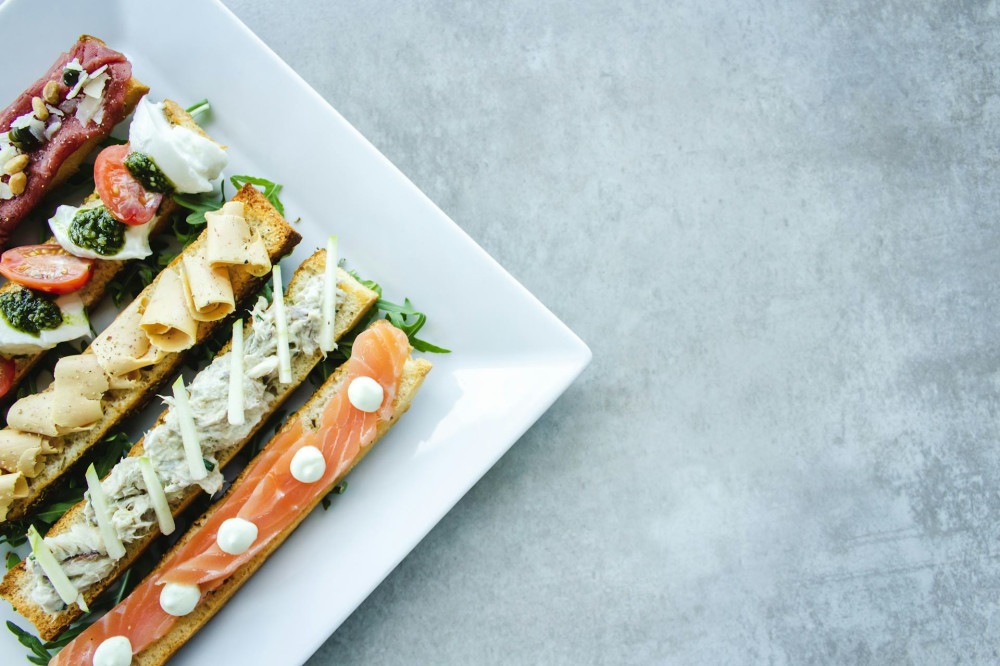
  • Seafood: Choose wines with bright acidity and freshness – like Riesling, Albariño, or Chablis. Avoid heavy, oaky wines that can overpower delicate flavors.
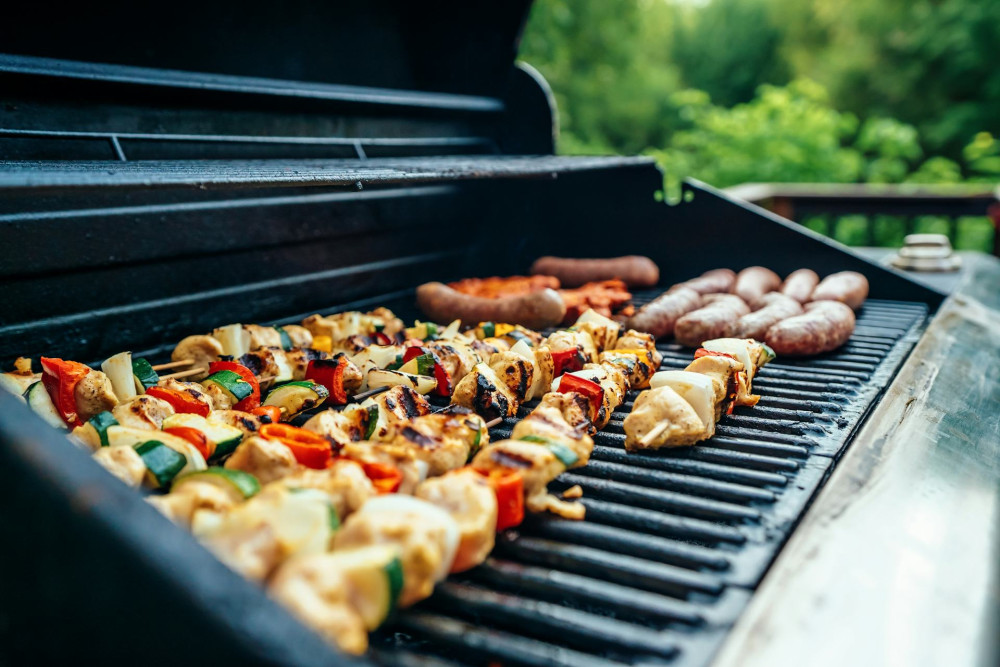
  • Meat dishes: Red meats pair well with wines that have tannin and structure, while lighter meats go better with softer, fruitier wines. Try Pinot Noir with duck or Zinfandel with barbecue.
  • Spicy food: Dishes with heat, such as Thai or Mexican cuisine, work well with wines that have a touch of sweetness, like Riesling or Gewürztraminer.
  • Cheese: There’s no single wine that pairs with all cheeses, but as a rule of thumb, white wines often work better than reds – especially with soft or salty cheeses.

Make It an Experience

Learning to pair wine and food isn’t about strict rules – it’s about curiosity. Experiment, taste, and notice how the wine changes with different foods. Host a tasting with friends and try various combinations – it’s both fun and educational.

Over time, you’ll start to think about flavor balance naturally. And when that happens, every meal becomes a small journey of discovery.

How to make healthy and delicious meals in less than 30 minutes
This e-book offers quick recipes and easy methods for creating healthy meals, even when time is tight. Learn about ingredients that can make cooking both healthy and tasty without compromising on quality.
Get the guide
Avoid Fermentation Mistakes: A Winemaker’s Guide to a Stable Wine Process
Master the art of fermentation and secure a flawless wine every time
Wine
Wine
Winemaking
Fermentation
Wine Production
Home Winemaking
Wine Quality
3 min
Fermentation can make or break your wine. Learn how to prevent common fermentation issues with practical tips on preparation, yeast selection, and process control. Whether you’re a professional vintner or a passionate home winemaker, this guide helps you achieve a stable and high-quality result.
Adrian Robinson
Adrian
Robinson
Sparkling Wines – The Light and Elegant Alternative to Still Wines
Discover the charm and versatility of sparkling wines beyond special occasions
Wine
Wine
Sparkling Wine
Champagne
Prosecco
Wine Guide
Wine Trends
3 min
Sparkling wines are no longer reserved for celebrations—they’ve become a refreshing choice for everyday enjoyment. Learn about the different types, how to choose the right bottle, and why these effervescent wines are capturing the hearts of wine lovers across the U.S.
Journey Reed
Journey
Reed
Develop Your Wine Palate: How to Get Better at Tasting the Nuances
Discover how to refine your senses and truly appreciate every sip of wine
Wine
Wine
Wine Tasting
Wine Education
Wine Appreciation
Food and Wine
Lifestyle
5 min
Learning to taste wine is about more than preference—it’s about perception. This guide shows you how to train your palate, recognize subtle aromas and textures, and gain confidence in identifying the unique character of each wine.
David Martínez
David
Martínez
Wine in the Middle Ages: Storage and Serving in Medieval Households
Discover how medieval households stored, served, and celebrated wine long before modern preservation
Wine
Wine
Medieval History
Wine Culture
Daily Life
European Traditions
Food and Drink
6 min
Step back into the Middle Ages and explore the fascinating world of wine in medieval Europe. Learn how people kept their wine fresh without glass bottles or refrigeration, the vessels they used, and the customs that turned every pour into a symbol of hospitality and status.
Elias Bell
Elias
Bell
Wine and Food Pairing – Learn the Basic Principles
Discover how the right wine can transform your meal into a memorable experience
Wine
Wine
Wine
Food Pairing
Dining
Gastronomy
Wine Education
4 min
Learn the essential principles of pairing wine and food to achieve perfect balance and harmony. This guide helps you understand taste, intensity, and tradition so you can confidently choose wines that enhance every dish.
Sage Hunter
Sage
Hunter
One Dish, Many Flavors: How to Please the Whole Family
Discover simple ways to cook one meal that satisfies every taste at the table
Eat
Eat
Family Cooking
Meal Planning
Easy Recipes
Home Cooking
Dinner Ideas
6 min
Tired of juggling different dishes for picky eaters and spice lovers alike? Learn how to create flexible, family-friendly meals that let everyone customize their plate — and make dinnertime easier and more enjoyable for you.
Adrian Robinson
Adrian
Robinson
From Christmas to Midsummer: The Holidays That Shaped Our Food Traditions
Discover how America’s favorite holidays have shaped the way we cook, eat, and celebrate together
Eat
Eat
Food Traditions
Holidays
American Culture
Seasonal Cooking
Celebration
4 min
From Christmas feasts to Midsummer gatherings, our holiday tables tell the story of a nation’s evolving tastes and traditions. Explore how each celebration—from winter comfort foods to summer barbecues—reflects history, culture, and community spirit.
Journey Reed
Journey
Reed
Time, Heat, and Cold: How to Influence the Flavor and Texture of Ingredients
Master the art of cooking by understanding how time, heat, and cold shape every ingredient
Eat
Eat
Cooking Techniques
Food Science
Culinary Skills
Flavor
Kitchen Tips
4 min
Discover how temperature and timing transform flavor, texture, and aroma in your dishes. Learn to use heat for depth, cold for freshness, and time for balance — and take your cooking skills to a new level.
David Martínez
David
Martínez
Health Without Rules – Eat a Variety and Enjoy Your Food
Discover a balanced approach to eating that celebrates variety, pleasure, and well-being
Eat
Eat
Healthy Eating
Mindful Living
Nutrition
Wellness
Lifestyle
6 min
Step away from strict diet rules and rediscover the joy of eating. This article explores how embracing variety, listening to your body, and enjoying your meals can lead to a healthier, more sustainable relationship with food.
Elias Bell
Elias
Bell