Health Without Rules – Eat a Variety and Enjoy Your Food

Health Without Rules – Eat a Variety and Enjoy Your Food
In a world full of diet plans, wellness trends, and endless “dos and don’ts,” it can feel refreshing to take a different approach: What if health isn’t about strict rules, but about balance and enjoyment? Eating a variety of foods and finding pleasure in your meals can be a more sustainable path to well-being than following rigid diets. This article explores how you can build a relaxed, mindful relationship with food—without guilt, but with respect for both your body and your taste buds.
Let Go of the Rules – and Listen to Your Body
Many people associate healthy eating with restriction: no sugar, no carbs, no fat. But your body needs a wide range of nutrients, and no single food determines your health. Instead of labeling foods as “good” or “bad,” try tuning in to what your body is actually asking for.
Are you hungry, tired, or simply craving something specific? When you learn to listen to your body’s signals, it becomes easier to eat in a way that gives you energy and satisfaction. This isn’t about giving up on health—it’s about finding a more flexible and realistic balance.
Læs også:

Variety Over Perfection
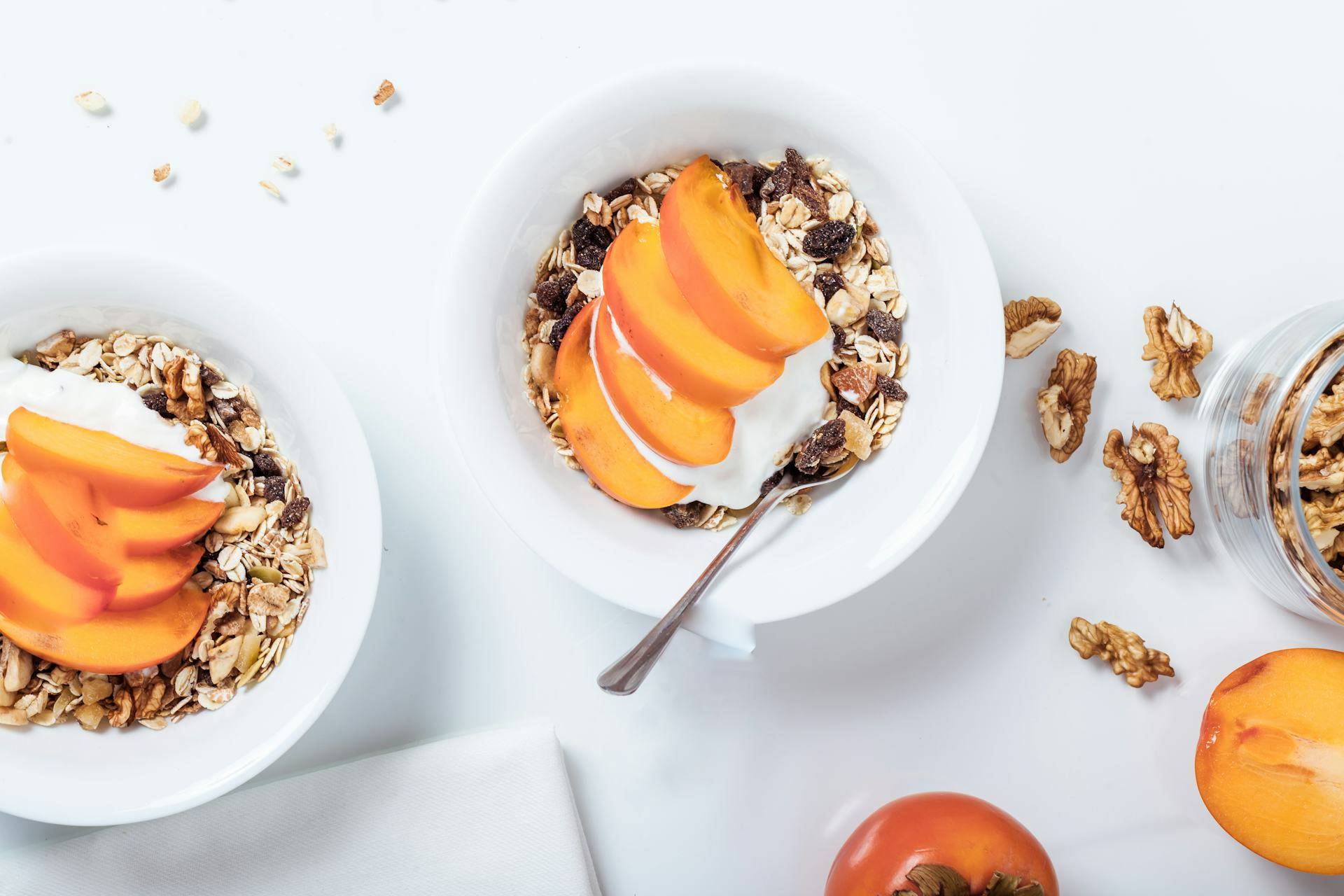
A varied diet is one of the most well-documented ways to support long-term health. That doesn’t mean you have to eat “a little of everything” every day, but rather that, over time, you include a mix of vegetables, fruits, whole grains, proteins, and healthy fats. Variety helps you meet your nutritional needs—and keeps meals interesting.
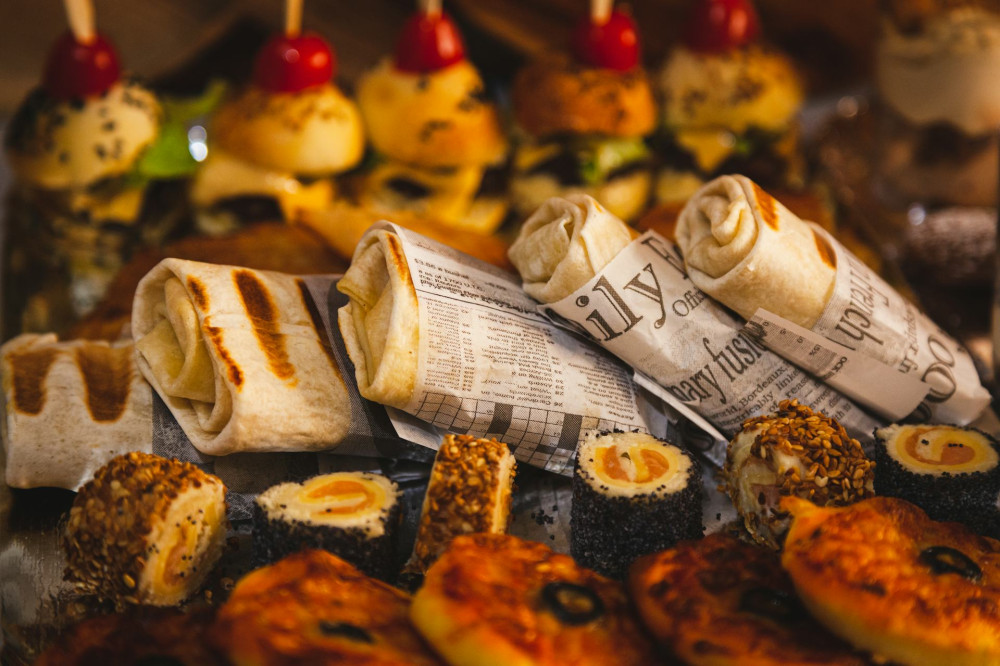
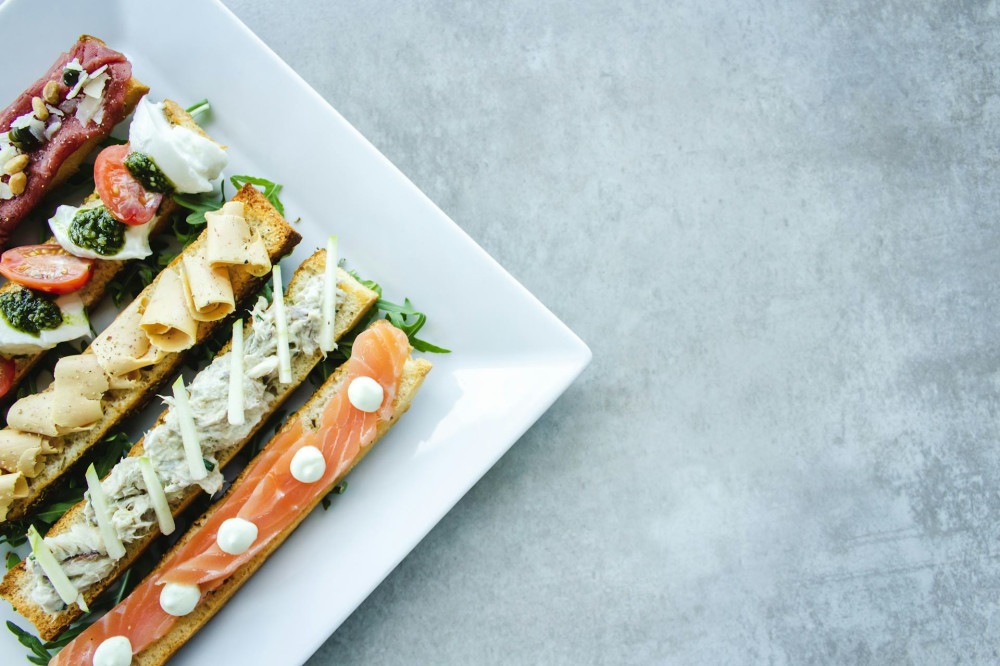
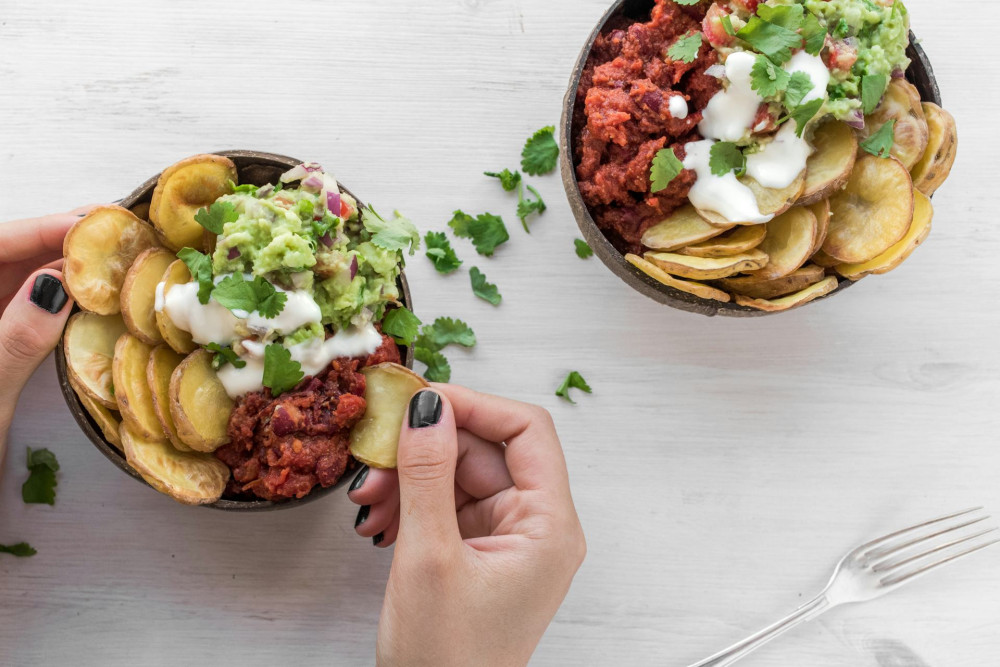
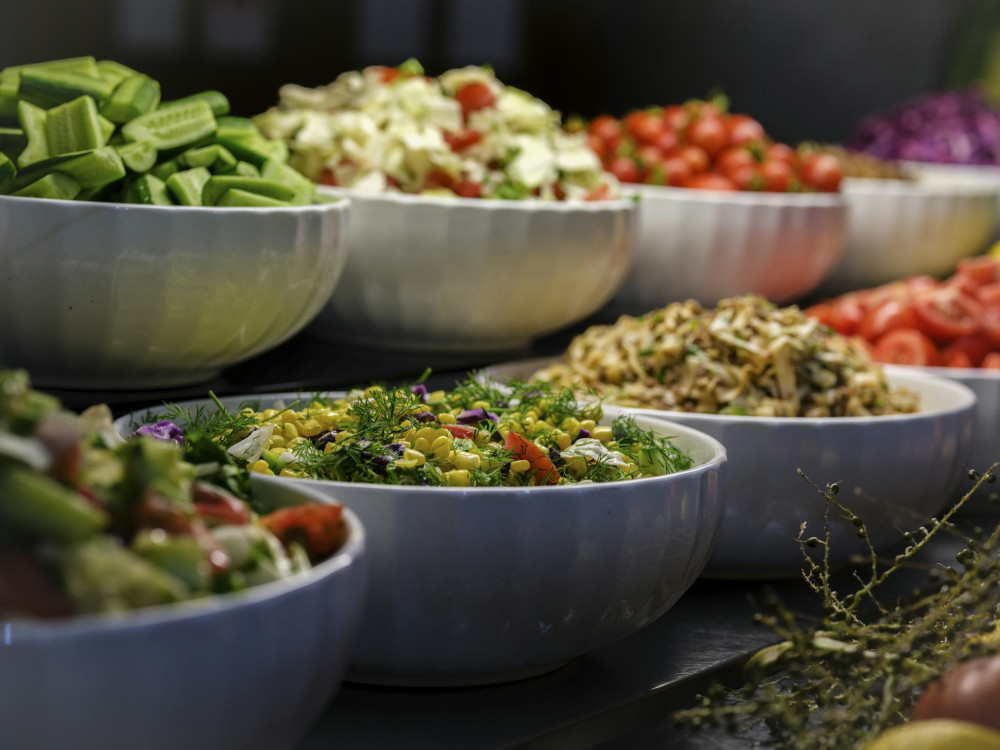
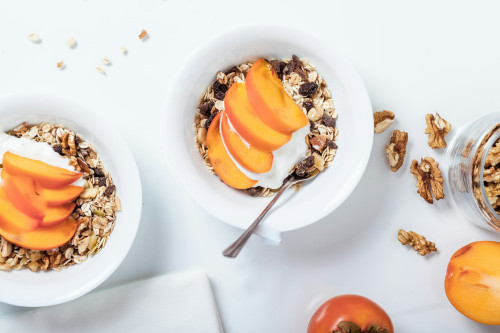
A simple way to think about variety is through color and texture: green, red, orange, crunchy, creamy, warm, and cool. The more senses you engage, the more satisfying your meal becomes. And when you enjoy your food, you tend to eat more mindfully—which can naturally improve digestion and fullness.
Enjoyment as Part of Health
Enjoying your food isn’t the opposite of eating healthy—it’s part of it. When you eat with attention and pleasure, your body releases signals that support digestion and a sense of well-being. It can be as simple as setting the table nicely, eating slowly, or sharing a meal with others.
Many people find that when they allow themselves to enjoy food, the urge to overeat or “cheat” decreases. Restriction often creates cravings, while freedom creates calm. In that sense, enjoyment can actually be a key to a more stable and natural way of eating.
Food as Part of Everyday Life – Not a Project
Health doesn’t have to be a project that requires constant planning. It can be a natural part of daily life, shaped by small, realistic choices. Maybe it’s adding an extra serving of vegetables to dinner, choosing whole-grain bread instead of white, or taking a real lunch break instead of eating at your desk.
When you see food as a normal part of life—not a task to perfect—it becomes easier to find a rhythm that lasts. That’s the strength of health without rules: it’s flexible, personal, and adaptable to your everyday reality.
Make Room for It All
There’s room for both salad and pizza, oatmeal and pancakes. What matters is the big picture—not any single meal. If you eat a variety of foods and make thoughtful choices most of the time, it’s perfectly fine to enjoy something simply because it tastes good. In fact, that balance can help you maintain a positive relationship with food and avoid the guilt that often comes with “unhealthy” choices.
Eating a variety and enjoying your food isn’t an excuse to ignore health—it’s an invitation to understand it in a more human way. Because in the end, health isn’t just about what you eat, but how you feel while you’re eating it.
Læs også: