Sparkling Wines – The Light and Elegant Alternative to Still Wines

Sparkling Wines – The Light and Elegant Alternative to Still Wines
In recent years, sparkling wines have enjoyed a well-deserved revival in the United States. Once reserved for weddings, New Year’s Eve, and milestone celebrations, they are now finding their way into everyday dining and casual get-togethers. With their crisp acidity, lively bubbles, and refreshing character, sparkling wines offer a light and elegant alternative to still wines—whether you prefer a classic Champagne, a bright Prosecco, or a homegrown American sparkler from California or Oregon.
What Makes a Wine Sparkling?
The defining feature of sparkling wine is its bubbles, created by dissolved carbon dioxide. These bubbles form during a secondary fermentation, when yeast converts sugar into alcohol and carbon dioxide. Depending on the production method, this fermentation can take place inside the bottle or in a sealed tank, giving rise to different styles and textures.
There are several main methods used to produce sparkling wine:
- Traditional Method (Méthode Traditionnelle) – Used for Champagne, Cava, and many premium American sparkling wines. The second fermentation happens in the bottle, resulting in fine, persistent bubbles and complex flavors of toast, nuts, and citrus.
- Tank Method (Charmat Method) – Commonly used for Prosecco. The fermentation occurs in large pressurized tanks, preserving the wine’s fresh, fruity, and floral character.
- Ancestral Method (Pétillant Naturel or Pet Nat) – A more rustic, natural style where the wine is bottled before fermentation finishes. The result is often lightly sparkling, unfiltered, and delightfully unpredictable.
The Most Popular Types
Sparkling wines come in many styles, each with its own personality and origin story.
- Champagne (France) – The world’s most famous sparkling wine, known for its elegance, fine bubbles, and complex notes of brioche, citrus, and almond.
- Prosecco (Italy) – Light, fruity, and approachable, Prosecco is perfect as an aperitif or paired with light dishes. It’s also a favorite for brunch cocktails like the Bellini or Mimosa.
- Cava (Spain) – Made in the traditional method, Cava offers a crisp, dry profile with excellent value for money.
- Crémant (France) – Sparkling wines from French regions outside Champagne, such as Alsace or the Loire Valley. They often deliver Champagne-like quality at a more affordable price.
- American Sparkling Wines – From California’s Napa and Sonoma Valleys to Oregon’s Willamette Valley and New York’s Finger Lakes, U.S. producers are crafting world-class sparkling wines that reflect local terroir and innovation.
When to Enjoy Sparkling Wine
Sparkling wine is far more versatile than many people realize. It pairs beautifully with a wide range of foods and occasions.
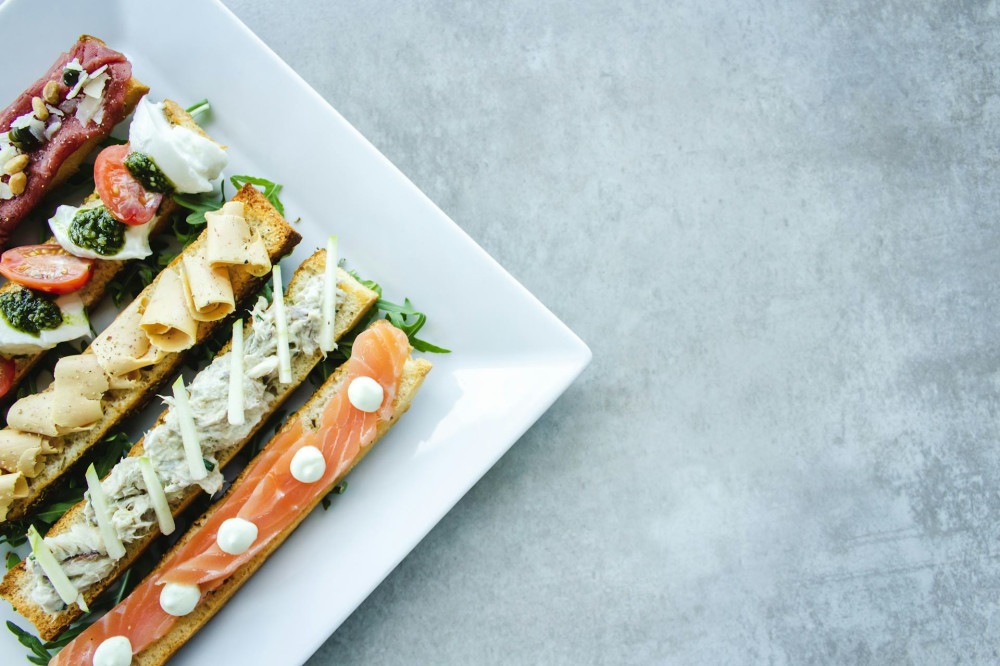
- Brut and Extra Brut – Dry styles that complement seafood, sushi, fried foods, and salty snacks.
- Sec or Demi-Sec – Slightly sweeter wines that pair well with fruit-based desserts or spicy dishes.
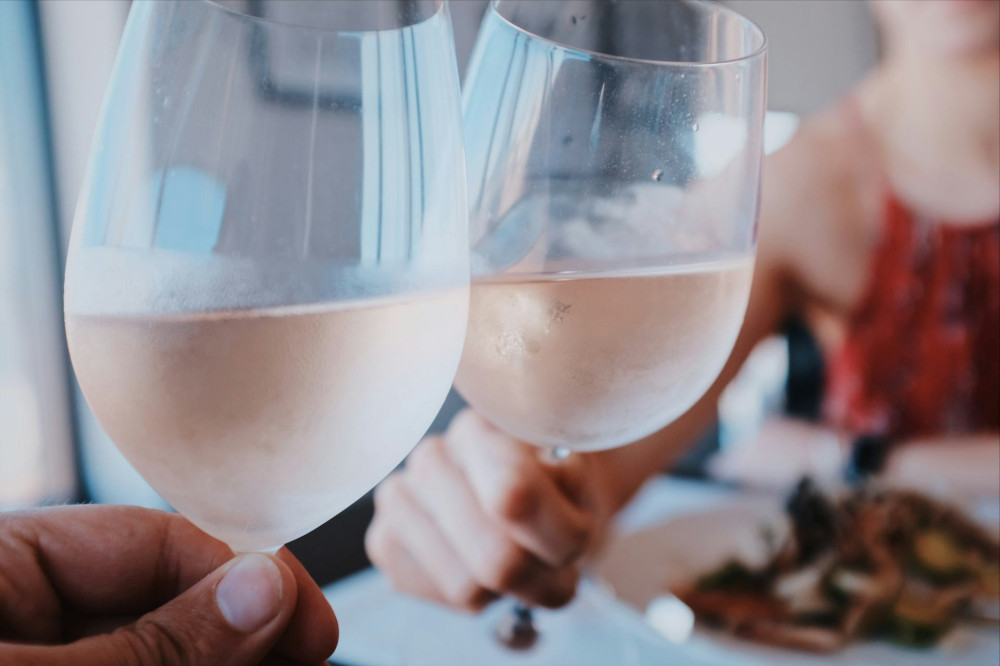
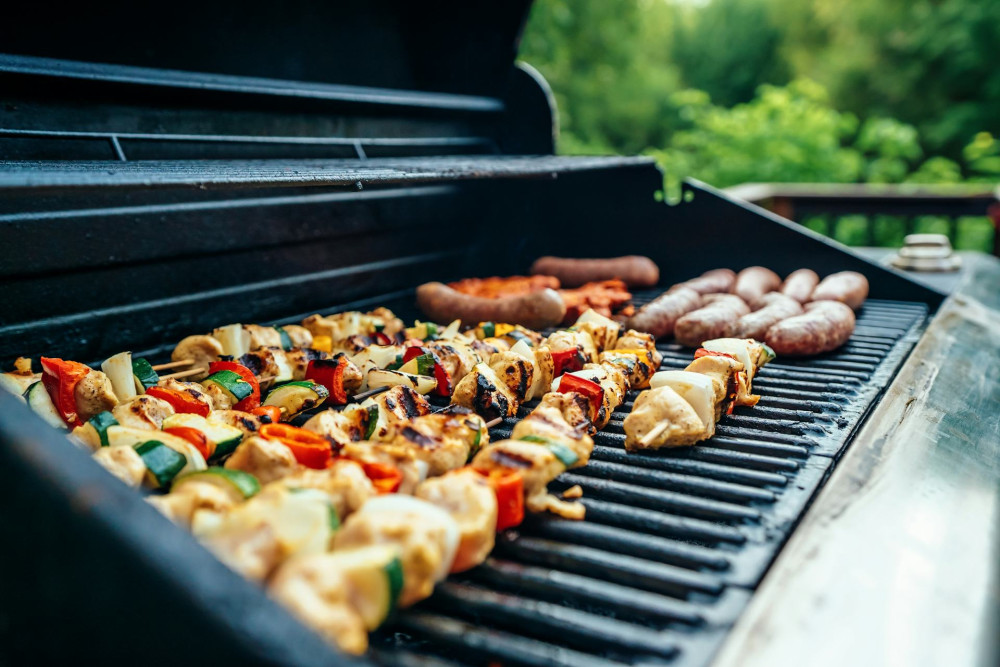
- Rosé Sparkling Wines – A festive choice for summer meals, grilled dishes, and fresh berries.
Serve sparkling wine well-chilled—around 43–46°F (6–8°C)—to highlight its freshness and preserve the bubbles.
Bubbles for Every Occasion
What makes sparkling wine special is its ability to elevate any moment. A glass of bubbles doesn’t just mark a celebration—it can make an ordinary Tuesday dinner feel a little more festive. Many Americans now enjoy sparkling wine as an aperitif, with brunch, or alongside lighter meals where a heavy red wine might overwhelm the flavors.
Another advantage is that sparkling wines often have lower alcohol content than many still wines, making them a refreshing choice for warm-weather gatherings or daytime events.
How to Choose the Right Bottle
With so many options on the shelf, choosing the right sparkling wine can feel daunting. Here are a few simple guidelines:
- For celebrations: Choose a classic Champagne or a high-quality American sparkling wine for elegance and depth.
- For everyday enjoyment: Prosecco or Cava offer great value and easy-drinking charm.
- For food pairings: Go for a dry sparkling wine with bright acidity—it cleanses the palate and enhances flavors.
- For dessert: Try a semi-sweet style like Moscato d’Asti, which complements sweetness without feeling heavy.
A Growing Sparkling Wine Scene in the U.S.
American winemakers are increasingly embracing sparkling wine production. The cool climates of Oregon, Washington, and New York are particularly well-suited to growing grapes with the high acidity needed for great bubbles. Meanwhile, California continues to produce some of the country’s most refined sparkling wines, often inspired by Champagne but with a distinctly Californian flair.
Læs også:

A Glass of Joy
At its heart, sparkling wine is about joy, lightness, and celebration. It brings a touch of luxury to everyday life and reminds us that wine doesn’t have to be serious to be special. Whether you’re toasting with a fine Champagne, sipping a crisp Prosecco, or discovering a new American sparkler, sparkling wine is an elegant choice that fits both grand occasions and simple pleasures alike.
Læs også: