Develop Your Wine Palate: How to Get Better at Tasting the Nuances

Discover how to refine your senses and truly appreciate every sip of wine
Wine
Wine
5 min
Learning to taste wine is about more than preference—it’s about perception. This guide shows you how to train your palate, recognize subtle aromas and textures, and gain confidence in identifying the unique character of each wine.
David Martínez
David
Martínez

Develop Your Wine Palate: How to Get Better at Tasting the Nuances

Discover how to refine your senses and truly appreciate every sip of wine
Wine
Wine
5 min
Learning to taste wine is about more than preference—it’s about perception. This guide shows you how to train your palate, recognize subtle aromas and textures, and gain confidence in identifying the unique character of each wine.
David Martínez
David
Martínez

Enjoying a glass of wine is about more than simply liking the taste. It’s about understanding what you’re tasting—and why. Developing your wine palate is a journey of discovery, where you gradually learn to recognize aromas, textures, and subtle differences that make each wine unique. Here’s a guide to help you train your senses and become more confident in tasting the nuances of wine.

Start with Curiosity, Not Rules

Many people think they need to know everything about grapes, regions, and vintages before they can “properly” taste wine. But the most important ingredient is curiosity. Developing your palate is about being open and attentive, not memorizing facts.

When you taste wine, ask yourself: What does this remind me of? How does it feel in my mouth? Is it crisp, smooth, dry, or sweet? The more you practice putting words to your impressions, the better you’ll become at recognizing patterns and differences.

A great way to start is by tasting two wines side by side—say, a light white and a full-bodied red—and noticing the contrasts. Comparing helps you understand what sets them apart.

Engage All Your Senses

Wine tasting begins long before the first sip. Sight, smell, and taste all work together to create the full experience.

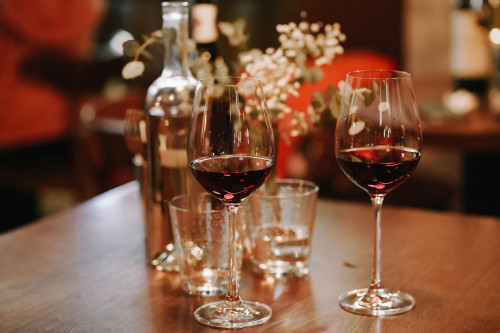
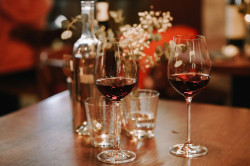
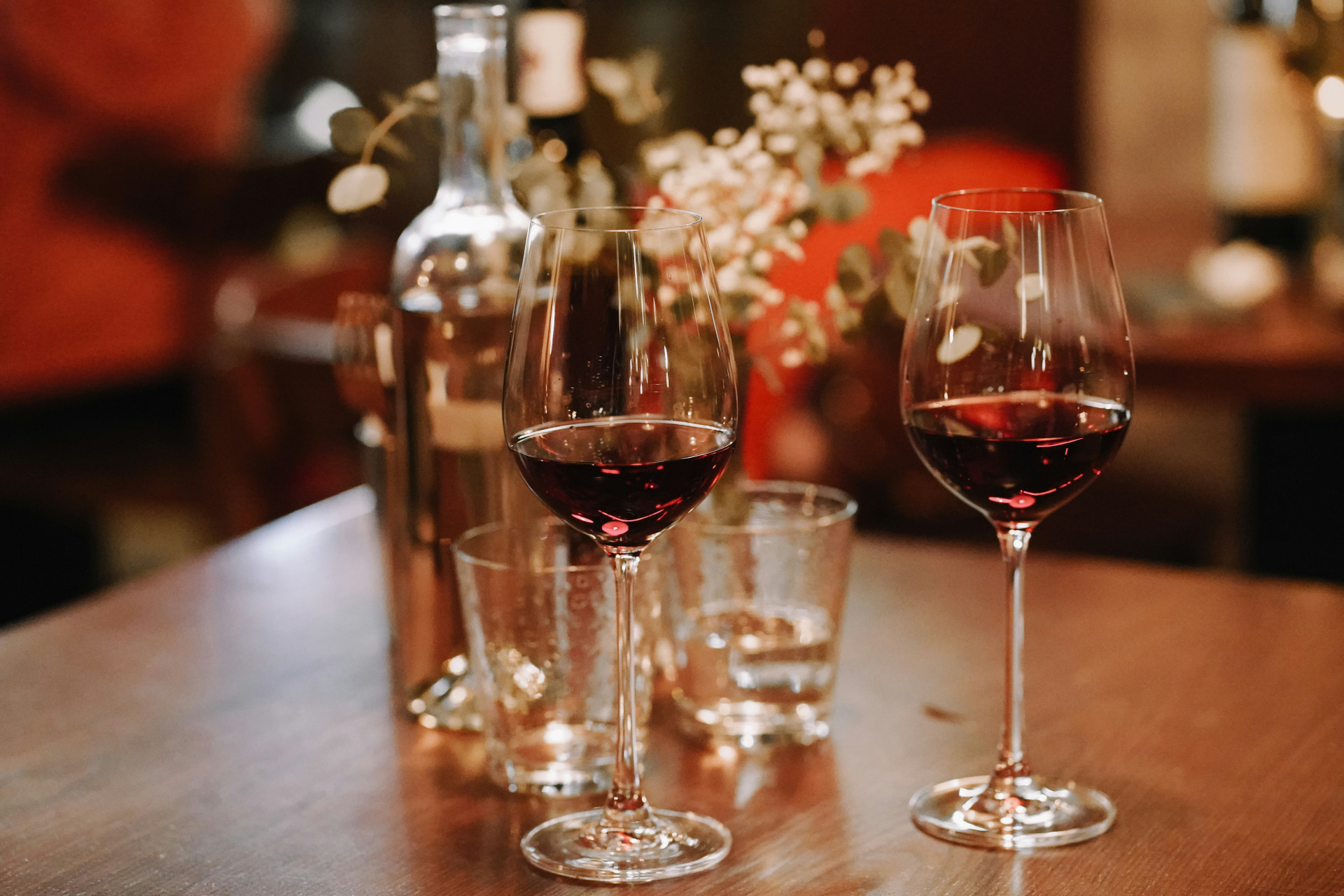
  • Look at the color: A young white wine is often pale and clear, while an older one may show golden hues. Red wines tend to lighten with age. Color can hint at a wine’s age and style.
  • Smell the wine: Swirl it gently in the glass to release the aromas. Try to describe what you smell in three words—perhaps fruit, flowers, spices, or something earthy. There’s no “right” answer; the goal is to train your nose.
  • Taste mindfully: Take a small sip and let the wine move around your mouth. Notice where you feel it—on your tongue, your cheeks, or in the finish. Is it tart, sweet, bitter, or dry? Which sensations linger?

The more you practice using your senses deliberately, the more detailed your experience becomes.

Learn the Building Blocks of Wine

Every wine’s flavor can be broken down into a few key components: acidity, sweetness, tannin, alcohol, and body. Understanding these helps you describe and compare wines more clearly.

  • Acidity gives wine its freshness and liveliness—especially in whites and sparkling wines.
  • Sweetness can be obvious in dessert wines but also appears subtly in many reds.
  • Tannin creates that dry, puckering feeling—usually from grape skins or oak aging.
  • Alcohol adds warmth and weight.
  • Body describes how “heavy” or “light” the wine feels on your palate.

As you taste, think about how these elements balance each other. A well-made wine feels harmonious—no single component should overpower the rest.

Taste Systematically and Take Notes

One of the best ways to develop your palate is to keep a tasting journal. Write down what you notice and how you feel about each wine. It can be as simple as:

  • Name and vintage
  • First impressions (aroma, color, taste)
  • What you liked or didn’t like
  • What food it paired well with

Over time, you’ll start to see patterns. Maybe you prefer wines with bright acidity, or perhaps you love oak-aged reds. These insights help you choose wines you’ll truly enjoy.

Explore Food and Wine Pairings

Food and wine influence each other in fascinating ways. A wine that seems sharp on its own can become smooth and balanced with the right dish. Try experimenting:

  • A crisp white wine with seafood or salad enhances freshness.
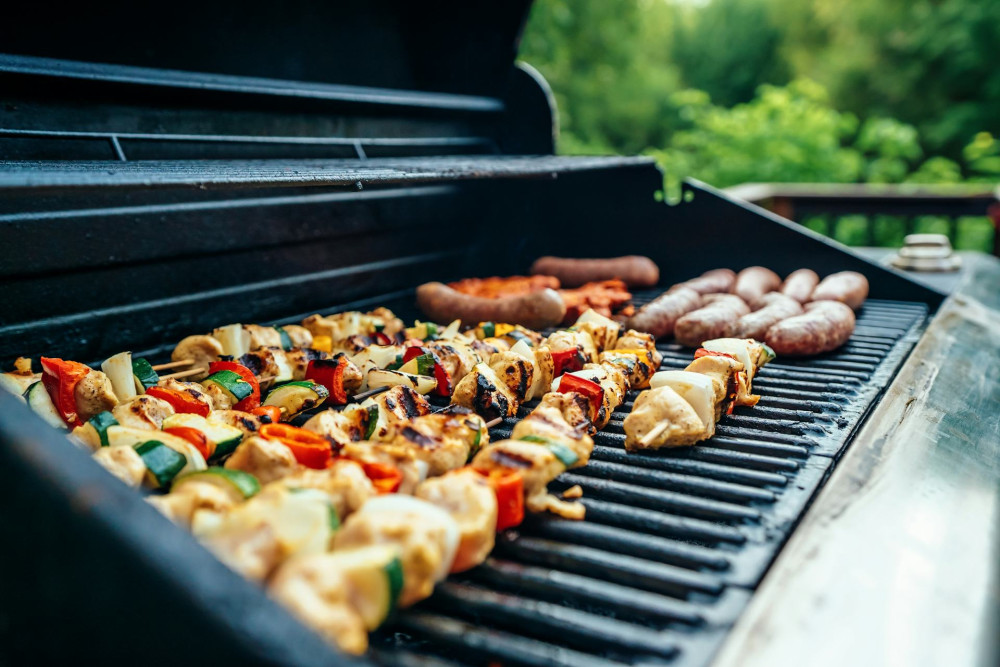
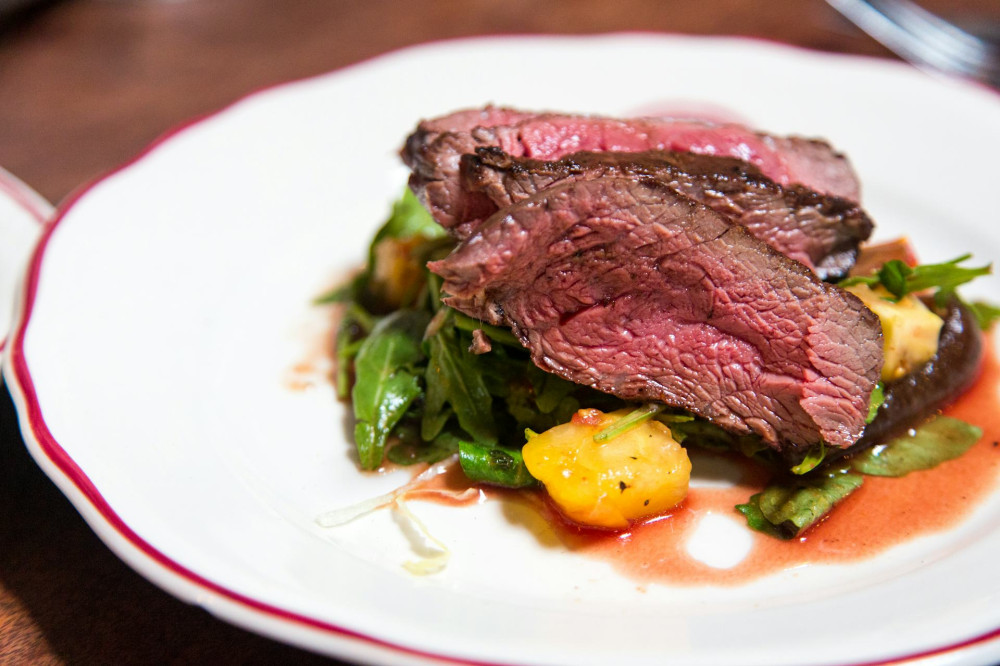
  • A bold red with steak or barbecue balances richness and tannin.
  • A sweet wine with dessert can create harmony—but make sure the dessert isn’t sweeter than the wine.

By tasting wine alongside different foods, you’ll learn how flavors interact—and how to make wine part of the meal, not just an accompaniment.

Join Tastings and Learn from Others

Tasting wine with others is both fun and educational. You’ll quickly notice that people experience the same wine differently—and that’s the beauty of it. There’s no single “correct” taste, only personal perspectives.

Look for local wine tastings at wineries, restaurants, or community events. Or host a tasting night with friends, where everyone brings a bottle. Compare notes and discuss what you notice. You’ll expand your palate and your vocabulary at the same time.

Patience and Pleasure

Developing your wine palate takes time. It’s not about becoming an expert overnight—it’s about enjoying the process. The more you taste, the more you’ll discover, and the more rewarding each glass will become.

So next time you open a bottle, slow down. Look, smell, taste—and stay curious. Every wine tells a story, and with each sip, you’ll get better at listening.

How to make healthy and delicious meals in less than 30 minutes
This e-book offers quick recipes and easy methods for creating healthy meals, even when time is tight. Learn about ingredients that can make cooking both healthy and tasty without compromising on quality.
Get the guide
Avoid Fermentation Mistakes: A Winemaker’s Guide to a Stable Wine Process
Master the art of fermentation and secure a flawless wine every time
Wine
Wine
Winemaking
Fermentation
Wine Production
Home Winemaking
Wine Quality
3 min
Fermentation can make or break your wine. Learn how to prevent common fermentation issues with practical tips on preparation, yeast selection, and process control. Whether you’re a professional vintner or a passionate home winemaker, this guide helps you achieve a stable and high-quality result.
Adrian Robinson
Adrian
Robinson
Sparkling Wines – The Light and Elegant Alternative to Still Wines
Discover the charm and versatility of sparkling wines beyond special occasions
Wine
Wine
Sparkling Wine
Champagne
Prosecco
Wine Guide
Wine Trends
3 min
Sparkling wines are no longer reserved for celebrations—they’ve become a refreshing choice for everyday enjoyment. Learn about the different types, how to choose the right bottle, and why these effervescent wines are capturing the hearts of wine lovers across the U.S.
Journey Reed
Journey
Reed
Develop Your Wine Palate: How to Get Better at Tasting the Nuances
Discover how to refine your senses and truly appreciate every sip of wine
Wine
Wine
Wine Tasting
Wine Education
Wine Appreciation
Food and Wine
Lifestyle
5 min
Learning to taste wine is about more than preference—it’s about perception. This guide shows you how to train your palate, recognize subtle aromas and textures, and gain confidence in identifying the unique character of each wine.
David Martínez
David
Martínez
Wine in the Middle Ages: Storage and Serving in Medieval Households
Discover how medieval households stored, served, and celebrated wine long before modern preservation
Wine
Wine
Medieval History
Wine Culture
Daily Life
European Traditions
Food and Drink
6 min
Step back into the Middle Ages and explore the fascinating world of wine in medieval Europe. Learn how people kept their wine fresh without glass bottles or refrigeration, the vessels they used, and the customs that turned every pour into a symbol of hospitality and status.
Elias Bell
Elias
Bell
Wine and Food Pairing – Learn the Basic Principles
Discover how the right wine can transform your meal into a memorable experience
Wine
Wine
Wine
Food Pairing
Dining
Gastronomy
Wine Education
4 min
Learn the essential principles of pairing wine and food to achieve perfect balance and harmony. This guide helps you understand taste, intensity, and tradition so you can confidently choose wines that enhance every dish.
Sage Hunter
Sage
Hunter
One Dish, Many Flavors: How to Please the Whole Family
Discover simple ways to cook one meal that satisfies every taste at the table
Eat
Eat
Family Cooking
Meal Planning
Easy Recipes
Home Cooking
Dinner Ideas
6 min
Tired of juggling different dishes for picky eaters and spice lovers alike? Learn how to create flexible, family-friendly meals that let everyone customize their plate — and make dinnertime easier and more enjoyable for you.
Adrian Robinson
Adrian
Robinson
From Christmas to Midsummer: The Holidays That Shaped Our Food Traditions
Discover how America’s favorite holidays have shaped the way we cook, eat, and celebrate together
Eat
Eat
Food Traditions
Holidays
American Culture
Seasonal Cooking
Celebration
4 min
From Christmas feasts to Midsummer gatherings, our holiday tables tell the story of a nation’s evolving tastes and traditions. Explore how each celebration—from winter comfort foods to summer barbecues—reflects history, culture, and community spirit.
Journey Reed
Journey
Reed
Time, Heat, and Cold: How to Influence the Flavor and Texture of Ingredients
Master the art of cooking by understanding how time, heat, and cold shape every ingredient
Eat
Eat
Cooking Techniques
Food Science
Culinary Skills
Flavor
Kitchen Tips
4 min
Discover how temperature and timing transform flavor, texture, and aroma in your dishes. Learn to use heat for depth, cold for freshness, and time for balance — and take your cooking skills to a new level.
David Martínez
David
Martínez
Health Without Rules – Eat a Variety and Enjoy Your Food
Discover a balanced approach to eating that celebrates variety, pleasure, and well-being
Eat
Eat
Healthy Eating
Mindful Living
Nutrition
Wellness
Lifestyle
6 min
Step away from strict diet rules and rediscover the joy of eating. This article explores how embracing variety, listening to your body, and enjoying your meals can lead to a healthier, more sustainable relationship with food.
Elias Bell
Elias
Bell