From Christmas to Midsummer: The Holidays That Shaped Our Food Traditions

From Christmas to Midsummer: The Holidays That Shaped Our Food Traditions
Food and holidays are inseparable in the United States. From the scent of roasted turkey on Christmas Day to the smoky aroma of barbecues on the Fourth of July, the calendar year is marked by dishes that tell stories of history, migration, and community. Many of the foods we associate with celebration today have roots that stretch back generations, reflecting how Americans have used meals to express gratitude, identity, and togetherness.
Christmas – A Feast of Comfort and Tradition
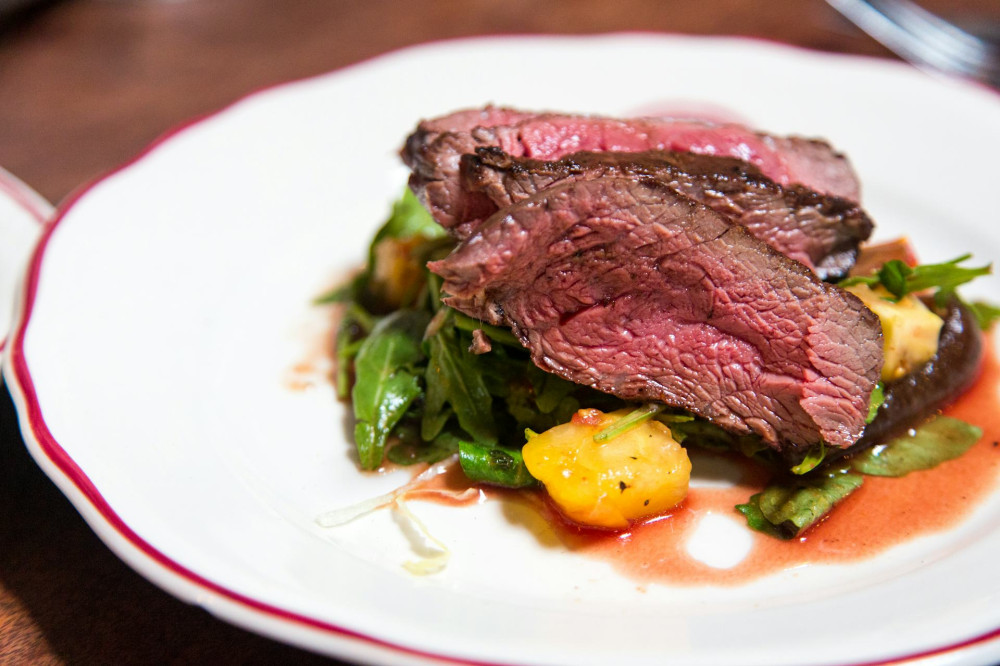
Christmas in America is a season of abundance and nostalgia. The holiday table often brings together regional and family traditions: roast turkey or ham, mashed potatoes, stuffing, and pies filled with apples or pumpkin. These dishes reflect both the agricultural bounty of the country and the influence of European settlers who brought their festive customs across the Atlantic.
The Christmas cookie, now a staple of the season, tells a story of adaptation and creativity. German and Scandinavian immigrants introduced spiced cookies and butter biscuits in the 19th century, and over time, American home bakers turned them into colorful, sugar-dusted symbols of holiday cheer. Today, baking cookies is as much about family bonding as it is about flavor—a ritual that fills kitchens with warmth and memory.
Easter – Renewal on the Table
Easter marks the arrival of spring, and its foods celebrate renewal and light. Eggs, a universal symbol of life, appear in every form—from pastel-colored candies to deviled eggs and brunch casseroles. In many homes, glazed ham takes center stage, a tradition that grew in the 19th century when cured meats were readily available after winter.
Easter brunch has become a distinctly American expression of the holiday, blending sweet and savory: pancakes with maple syrup, quiches, fruit salads, and hot cross buns. It’s a meal that bridges the sacred and the social, bringing families together after church services or egg hunts to share the first tastes of spring.
Memorial Day and the Start of Summer
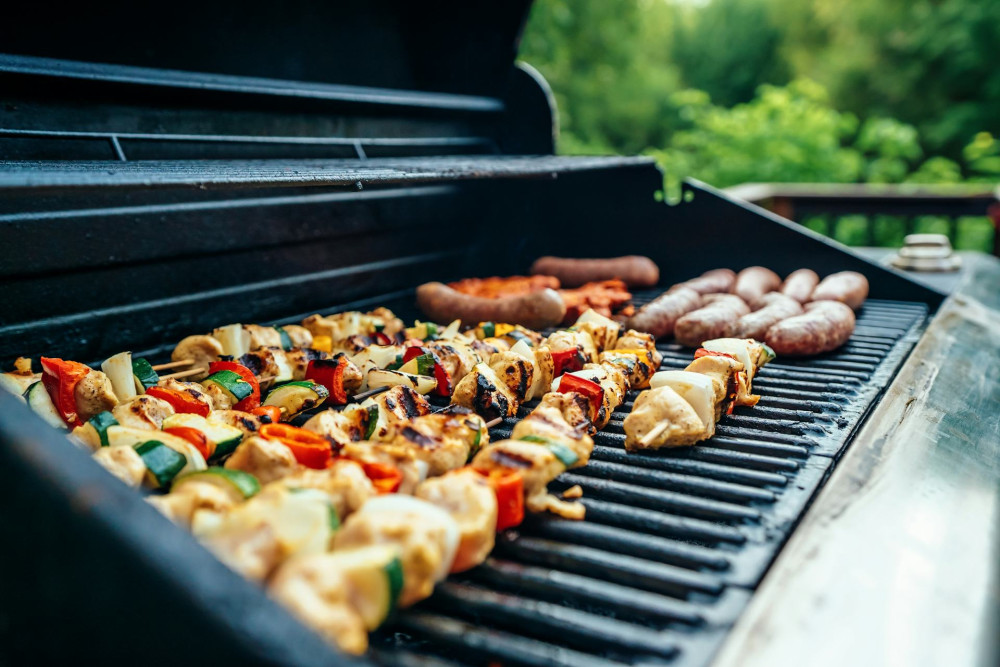
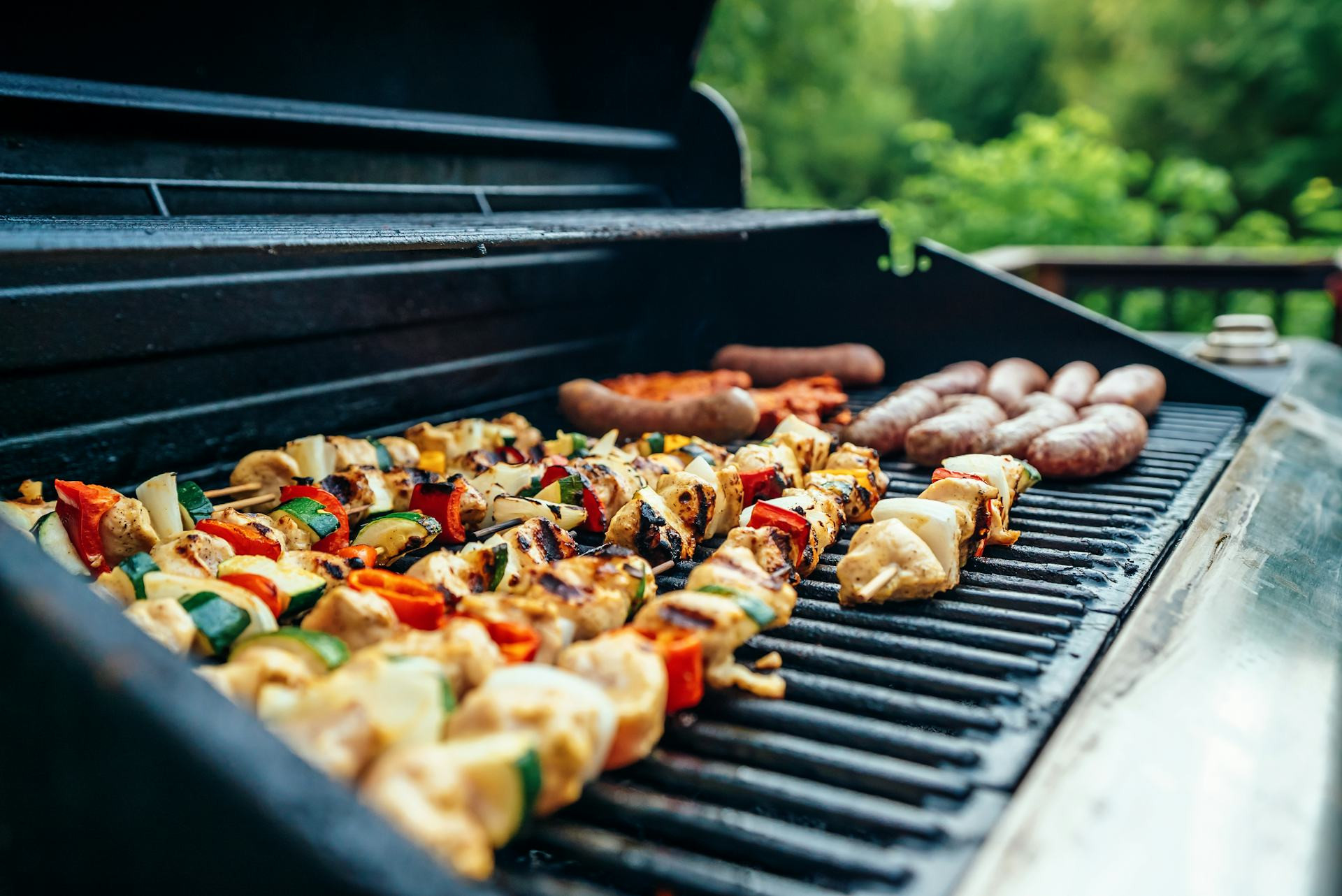
As May turns to June, Memorial Day signals both remembrance and the unofficial start of summer. The holiday’s origins lie in honoring fallen soldiers, but its modern observance often includes outdoor gatherings and cookouts. Burgers, hot dogs, corn on the cob, and potato salad dominate picnic tables across the country.
This blend of solemn reflection and communal feasting captures something essential about American food culture: the ability to honor the past while celebrating the present. The grill becomes a symbol of connection—between generations, neighbors, and the changing seasons.
The Fourth of July – Fireworks and Flavor
Independence Day is perhaps the most distinctly American holiday, and its food traditions are as bold as its fireworks. Barbecue reigns supreme, though what that means depends on where you live. In the South, it’s slow-cooked pulled pork or ribs with tangy sauce; in the Midwest, it might be brats and baked beans; on the coasts, grilled seafood and fresh salads take the spotlight.
The red, white, and blue color scheme finds its way into desserts—berry pies, flag cakes, and ice cream sundaes. These festive touches remind us that food is not just sustenance but a way to express pride and joy. The Fourth of July table is a snapshot of America’s diversity, where regional flavors and immigrant influences come together under one sky.
Midsummer – Freshness and Community
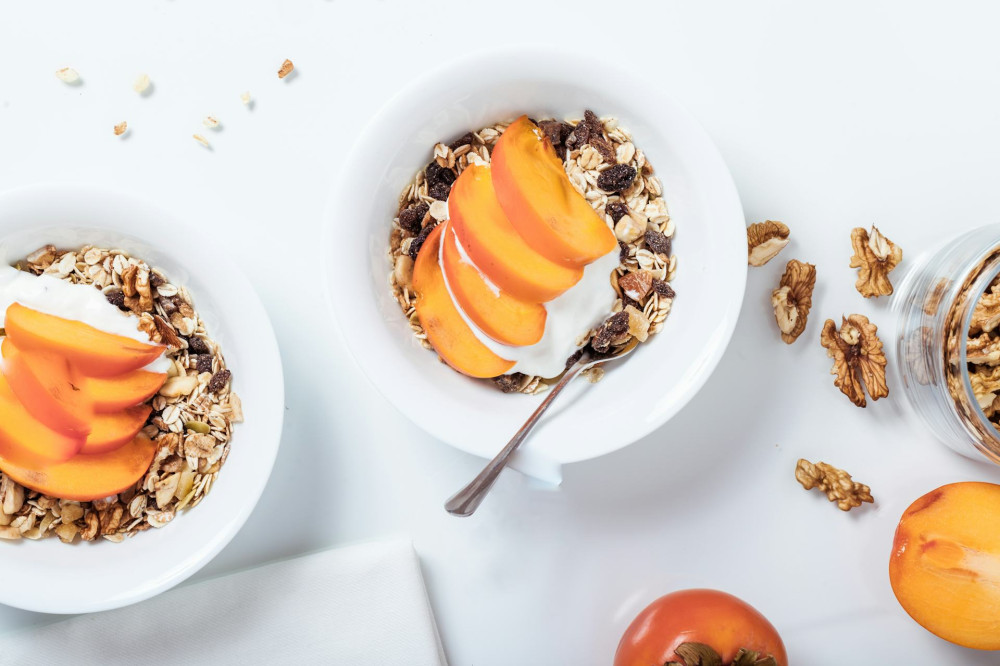
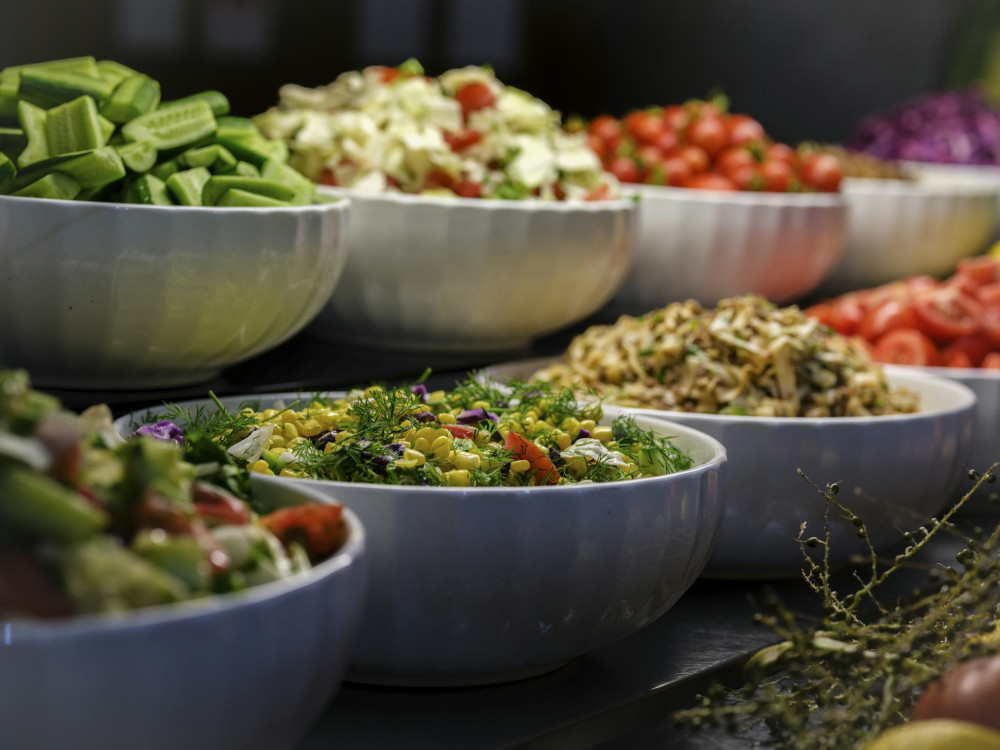
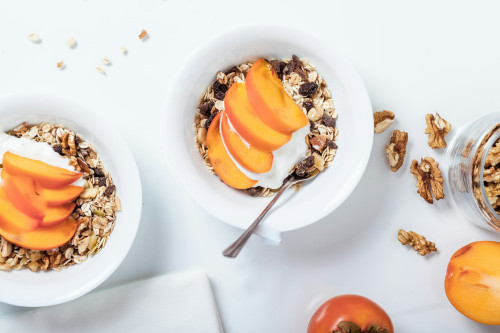
By late June, the long days invite us outdoors. While the U.S. doesn’t have a formal midsummer holiday like some European countries, the season itself has its own rituals. Farmers’ markets overflow with fresh produce—tomatoes, peaches, sweet corn—and backyard gatherings celebrate the height of the growing season.
Whether it’s a simple salad of garden vegetables or a peach cobbler shared at a picnic, midsummer food is about freshness and connection to the land. It’s a time when the pace slows, meals stretch into the evening, and the joy of eating together feels effortless.
Læs også:
From Necessity to Celebration
Looking across the year’s holidays, American food traditions reveal a journey from survival to celebration. What began as practical—preserving meat for winter, using seasonal crops—has become symbolic, a way to mark time and express belonging. Each holiday meal, from Christmas roasts to summer barbecues, carries echoes of history and hope.
From the hearty warmth of winter feasts to the bright flavors of midsummer, our holiday foods tell a story of abundance, adaptation, and community. They remind us that eating together is more than a habit—it’s a way of remembering who we are and what we share.
Læs også: