Avoid Fermentation Mistakes: A Winemaker’s Guide to a Stable Wine Process

Avoid Fermentation Mistakes: A Winemaker’s Guide to a Stable Wine Process
Fermentation is the heart of winemaking—the moment when grape juice transforms into wine. But it’s also the stage where things can easily go wrong. An unstable fermentation can lead to off-flavors, loss of alcohol, or, in the worst case, a spoiled batch. Fortunately, most fermentation problems can be prevented with the right knowledge, preparation, and monitoring. Here’s a practical guide for winemakers—whether professional or home-based—on how to ensure a stable and controlled fermentation process.
Understand Fermentation—and Why It’s Sensitive
Fermentation is a biological process in which yeast converts sugar into alcohol and carbon dioxide. It’s natural, but also delicate. Temperature, oxygen, nutrients, and sanitation all play crucial roles. Even small deviations can dramatically affect the outcome.
A stable fermentation is all about balance: the yeast must have the right conditions to work efficiently without becoming stressed. Too high a temperature can kill the yeast, while too low a temperature can cause the process to stall. Likewise, a lack of nutrients or oxygen early on can result in incomplete fermentation.
Start with Healthy Grapes and Clean Equipment
Good wine starts in the vineyard. Grapes that are healthy, ripe, and free from rot provide the best foundation for a stable fermentation. Mold and bacteria on the fruit can compete with yeast and produce unwanted byproducts.
Once the grapes are harvested, cleanliness becomes critical. Every piece of equipment—from the press to the fermentation tank—must be thoroughly cleaned and sanitized. Even small residues of old wine or debris can introduce bacteria that disrupt fermentation.
A common practice among U.S. winemakers is to use sulfur dioxide (SO₂) in moderate amounts during pressing. It helps suppress unwanted microorganisms without harming the yeast.
Choose the Right Yeast and Create Ideal Conditions
While spontaneous fermentation with wild yeast can yield unique results, it’s also more unpredictable. For a stable process, many winemakers prefer to inoculate with a selected yeast strain suited to the grape variety and desired wine style.
When adding yeast, make sure the must is at the proper temperature—typically between 64°F and 77°F for white wines and 77°F to 86°F for reds. Keep the temperature steady throughout fermentation. Large fluctuations can stress the yeast and lead to sluggish or stuck fermentation.
Yeast also needs nutrients, especially if the grapes are low in nitrogen. Adding yeast nutrients at the start of fermentation can prevent issues like hydrogen sulfide production—the telltale “rotten egg” smell that signals yeast stress.
Læs også:


Monitor the Process and Act Quickly
A stable fermentation requires ongoing attention. Measure sugar levels (in Brix) daily to track progress. If the sugar isn’t dropping as expected, the yeast may be struggling.
Keep an eye on temperature as well. If fermentation becomes too vigorous, heat can build up quickly, potentially killing the yeast. In that case, cooling the tank or transferring the wine to another vessel may be necessary.
Your senses are also valuable tools. Sudden changes in aroma—such as vinegar, sulfur, or yeasty bread smells—can indicate infection or stressed yeast. The sooner you detect a problem, the easier it is to correct.
Protect the Wine After Fermentation
Once fermentation is complete, the wine becomes especially vulnerable. With most of the sugar consumed, oxygen exposure can lead to oxidation or the growth of acetic acid bacteria. Rack the wine off the lees promptly and store it under airtight conditions.
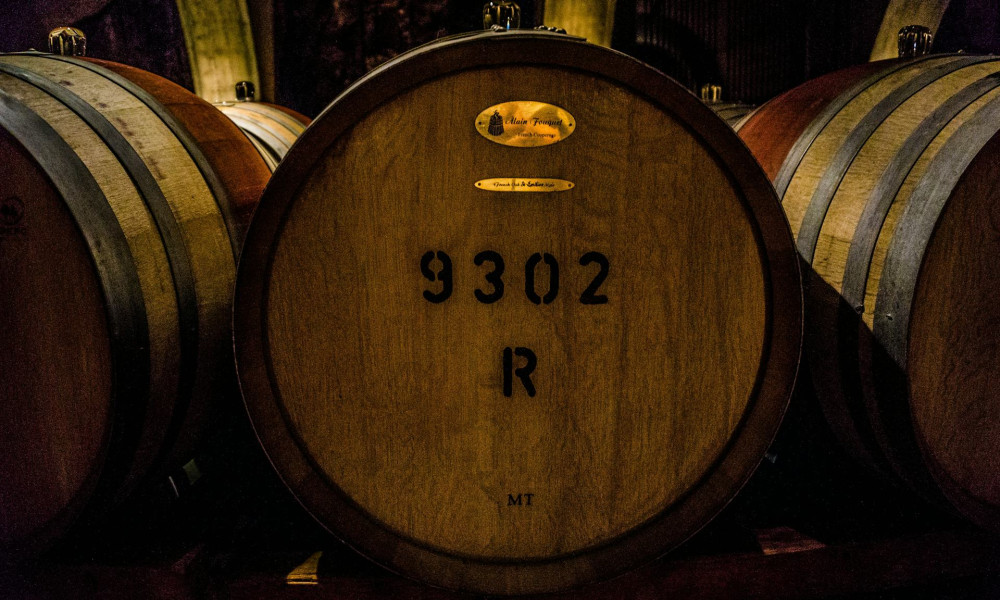
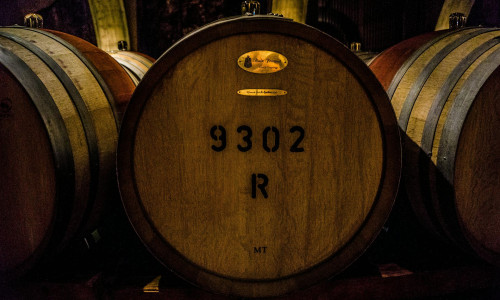
Use sulfur dioxide to protect the wine from oxygen and microbial spoilage, and make sure tanks or barrels are kept full to minimize air contact. If you’re aging in barrels, ensure they’re clean, well-sealed, and properly topped up.
Learn from Every Fermentation
Even experienced winemakers know that every vintage behaves differently. Climate, grape variety, and harvest timing all influence fermentation. Keeping detailed records—temperature, yeast strain, nutrient additions, tasting notes, and any issues—helps you refine your process year after year.
A stable fermentation isn’t just about technique; it’s also about experience and intuition. The better you understand your grapes and yeast, the easier it becomes to prevent problems and craft a wine that reflects both skill and terroir.
Stability Is the Foundation of Quality
Avoiding fermentation mistakes ultimately comes down to creating the best possible environment for yeast—and staying attentive throughout the process. With clean fruit, controlled temperature, proper nutrition, and consistent monitoring, you can minimize risks and ensure your wine develops smoothly.
A stable fermentation isn’t just a technical success—it’s the foundation of a wine that expresses balance, purity, and craftsmanship.
Læs også: