When Service Becomes Part of the Party Experience

When Service Becomes Part of the Party Experience
When planning a celebration, most people start with the menu, the music, and the décor. But in recent years, more attention has turned to the service itself—the way food and drinks are presented and experienced. For many guests, it’s no longer enough that the food tastes great; it should also be part of the atmosphere, the story, and the overall experience. Service has become an active element in the event’s design—and it can elevate the entire celebration to a new level.
From Serving Plates to Creating Moments
In the past, service was often seen as a practical task: get the food out quickly and efficiently. Today, it’s viewed as part of the entertainment. It’s about creating memorable moments—whether it’s a chef flambéing tableside, a server sharing the story behind a local ingredient, or a buffet designed as a sensory journey.
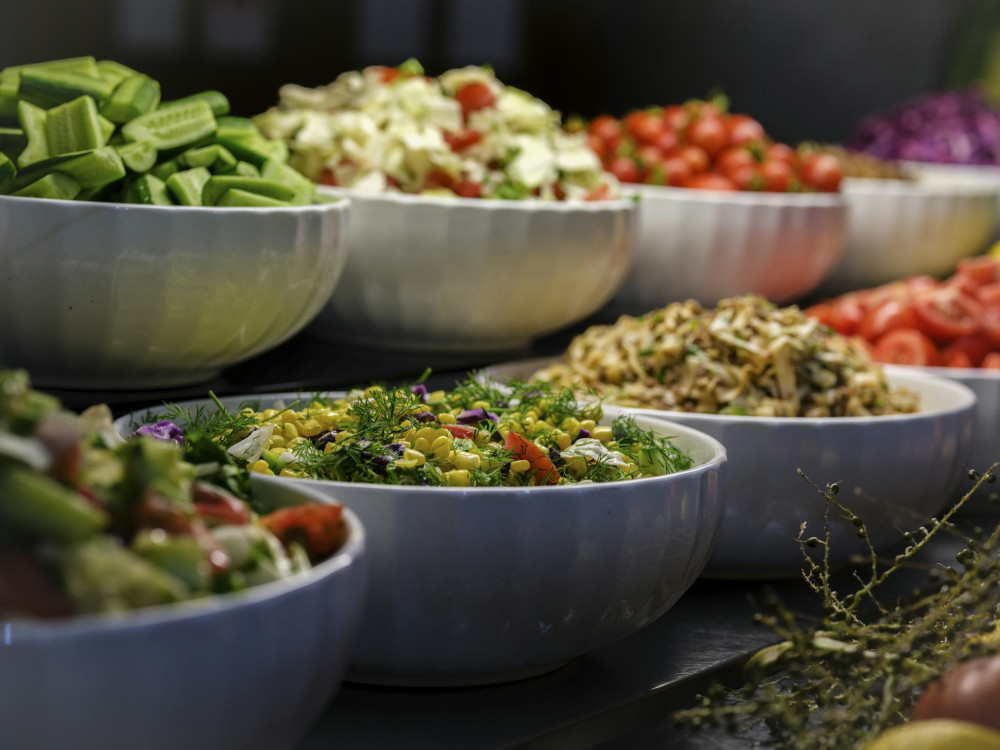
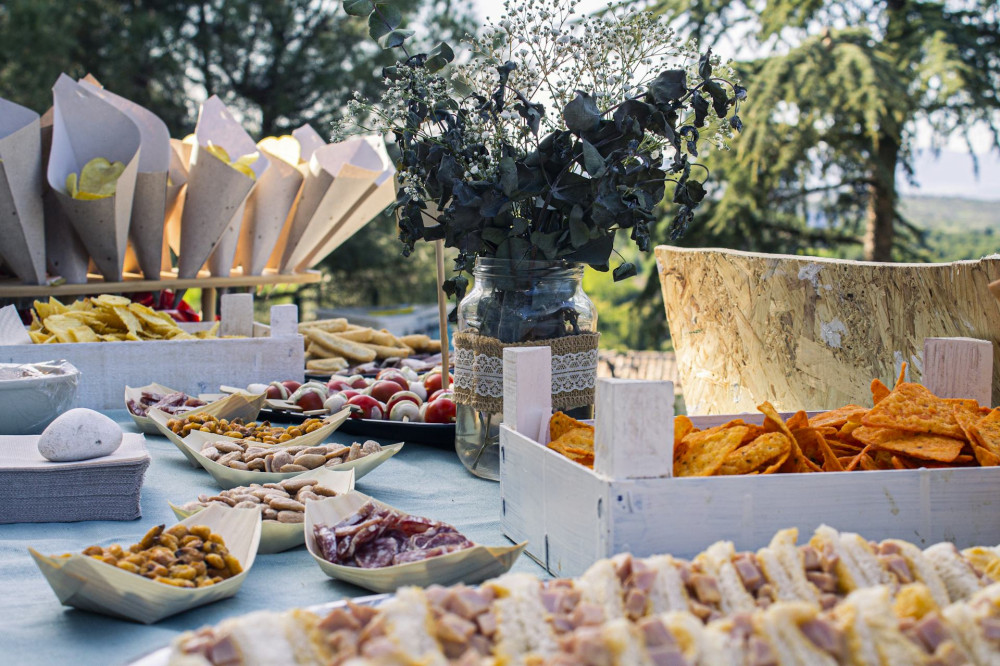
Many catering companies now work with themes and storytelling. A summer party might feature a “backyard barbecue” concept with live grilling stations, while a wedding dinner could be presented as a culinary tour of the couple’s favorite destinations. In this way, service becomes more than a bridge between kitchen and guest—it becomes part of the experience itself.
The Human Touch Makes the Difference
A key part of modern service is personal connection. Servers and chefs are no longer anonymous figures in the background; they’re active participants in the celebration. They set the tone, engage with guests, and bring warmth and personality to the event. That sense of presence and authenticity is something many guests value deeply.
When the service team reflects the mood of the event—whether relaxed, elegant, playful, or formal—they become a natural part of the atmosphere. It takes training and intuition, but the result is an experience where guests feel seen, welcomed, and cared for.
Visual Aesthetics and the Power of Details
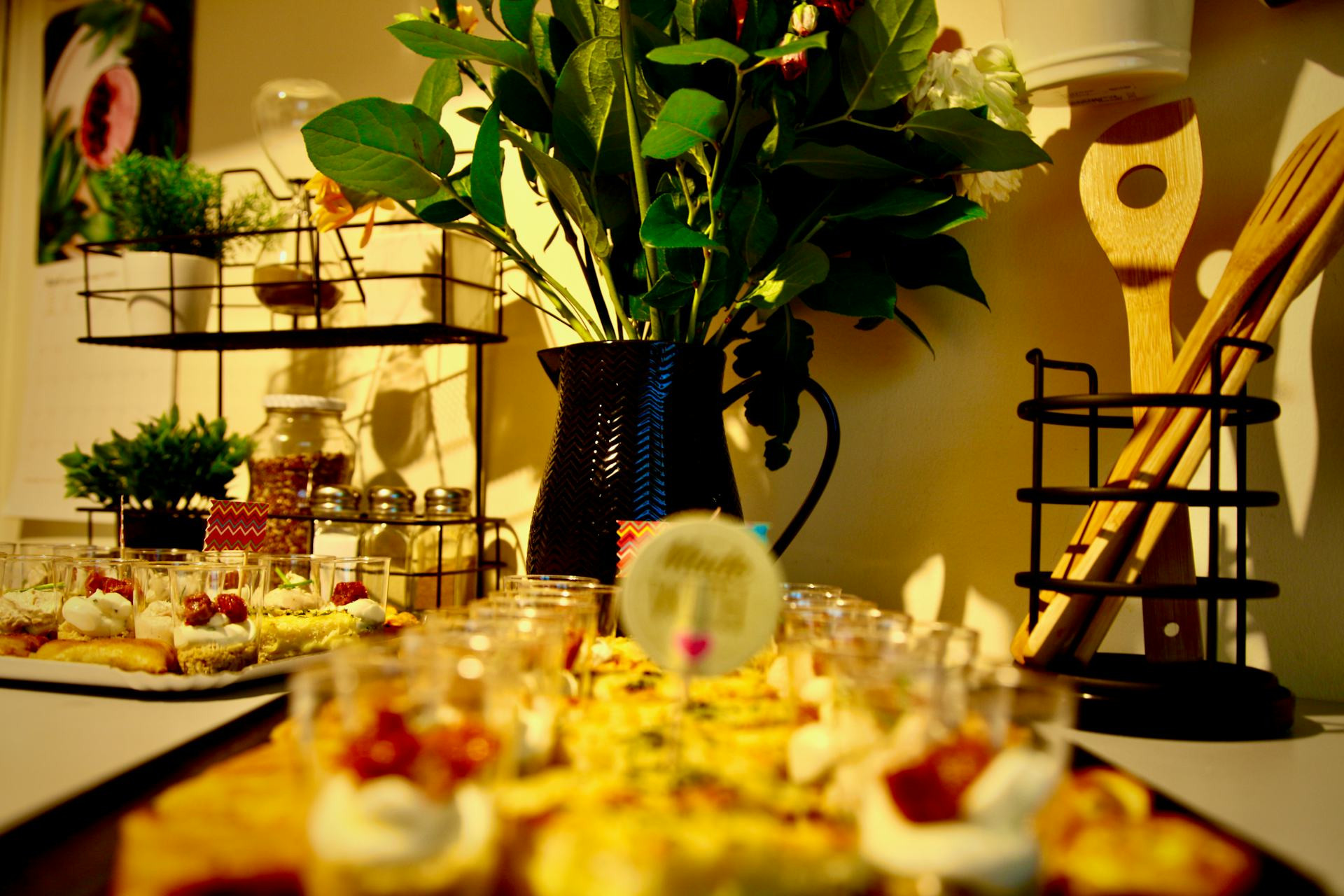
Service today is also about aesthetics. Plates, glassware, and presentation are carefully chosen to match the theme. Colors, textures, and materials work together with lighting and table settings to create a cohesive impression.
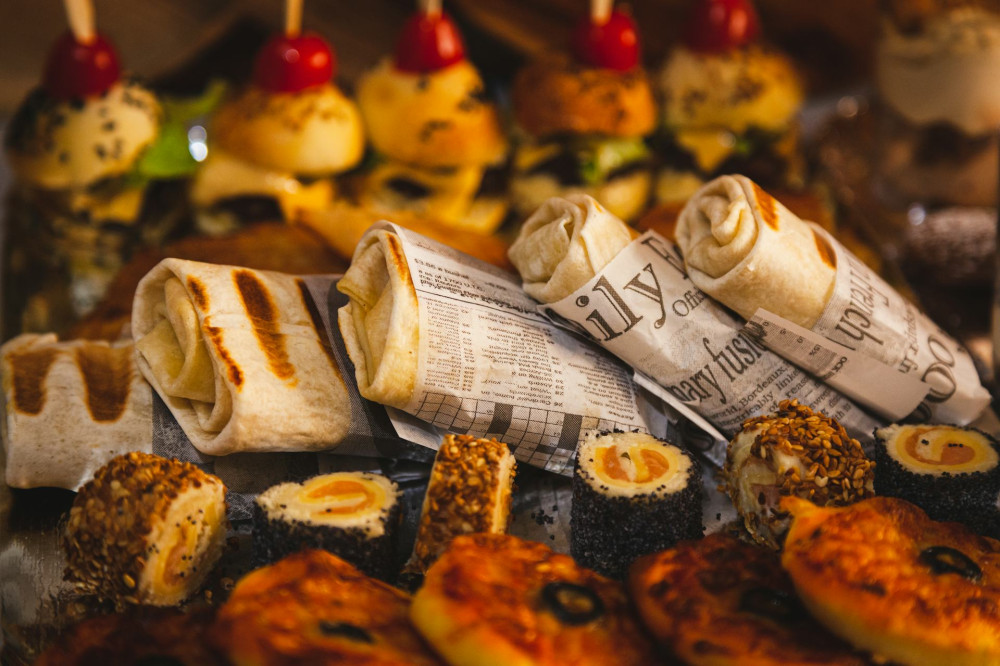
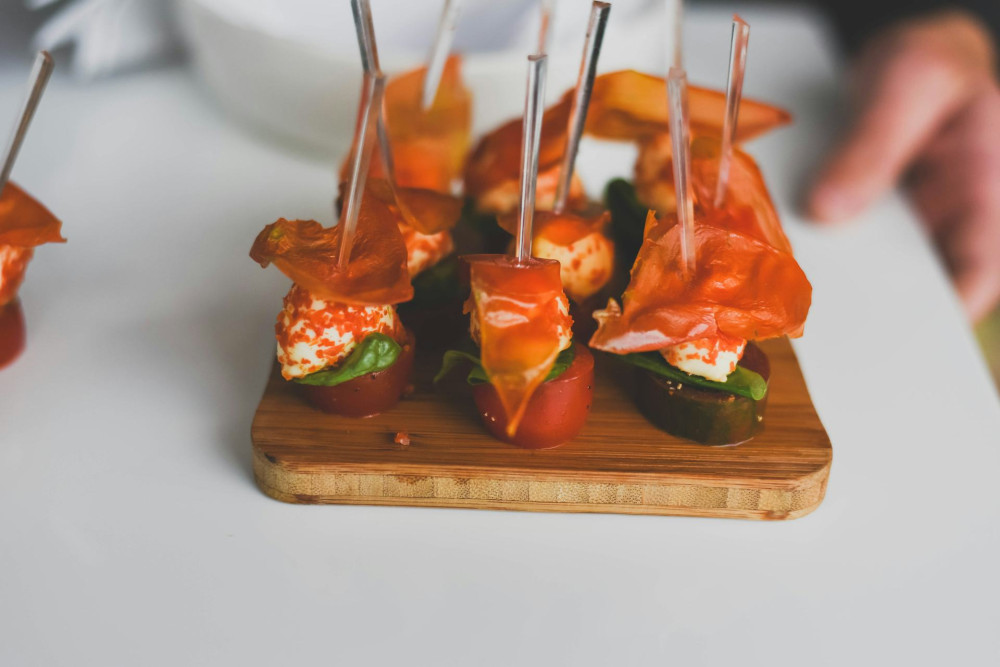
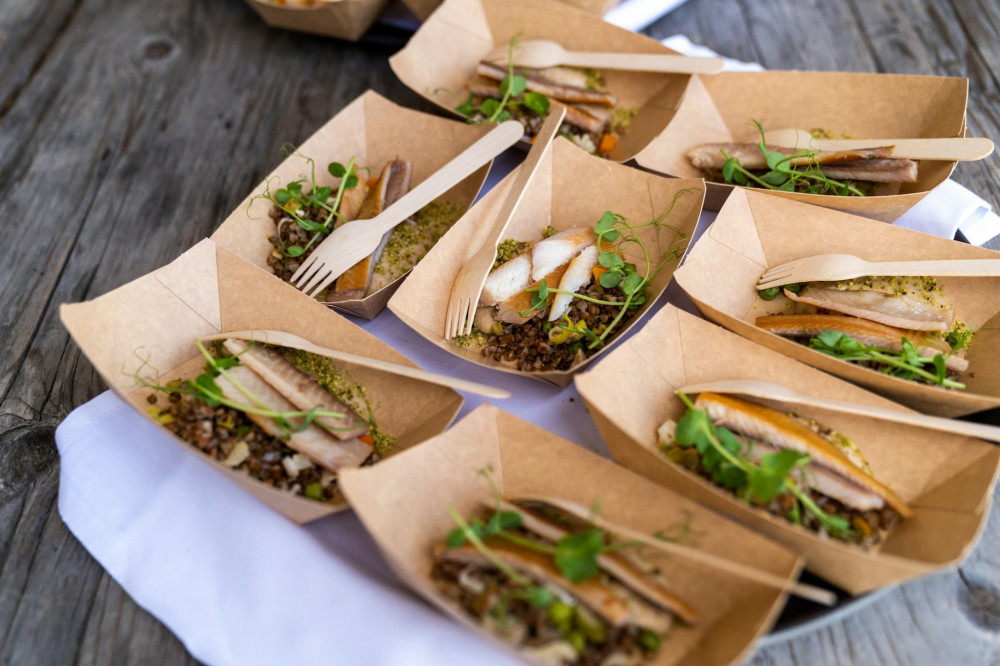
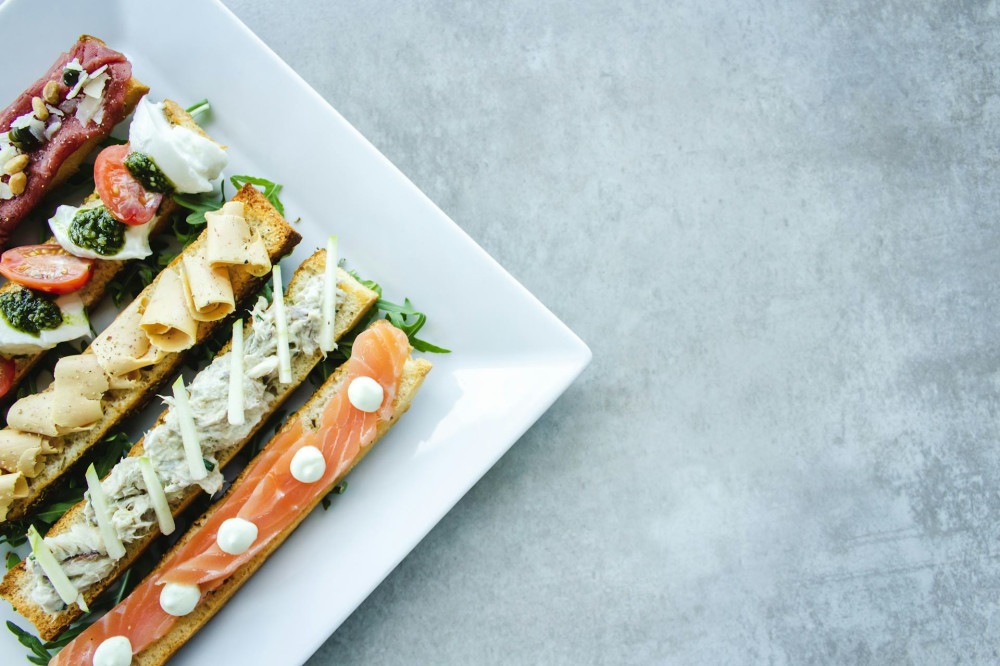
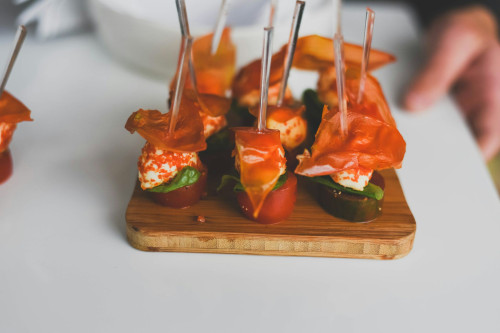
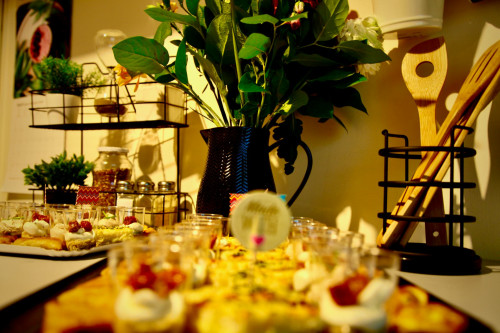
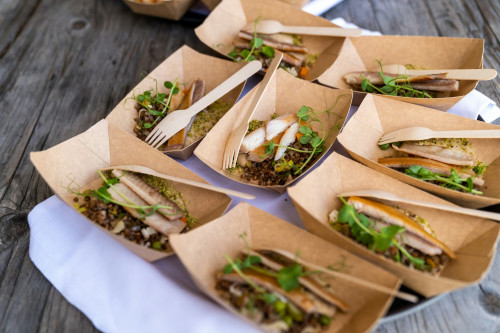
Small details can make a big impact: a sprig of fresh herbs on top, a dish served on a slate board, or a bite-sized appetizer presented on a spoon. These little surprises encourage guests to take photos, share the moment, and remember the event long after it’s over.
Interactive Service Styles
One of the most popular trends is interactive service, where guests take part in the experience. It might be a cocktail bar where guests mix their own drinks, a dessert station with flowing chocolate, or a chef preparing sushi to order. These elements bring energy, conversation, and laughter—turning food into a social activity.
For hosts, this creates a natural flow throughout the event. Guests move around, mingle, and discover new experiences along the way. It’s especially well-suited for casual gatherings where a lively, dynamic atmosphere is desired.
Sustainability and Local Flavor
Sustainability has also become an important part of the service experience. Many hosts now choose local ingredients, seasonal menus, and reusable materials. When servers share where the ingredients come from or how the food was prepared with care for the environment, it becomes part of the story—and gives guests a sense of purpose and connection.
It’s not just about being eco-friendly; it’s about authenticity. A menu built around local produce and a service style that reflects the season feels genuine and grounded—and that feeling resonates throughout the event.
Læs også:
When Service Becomes the Highlight
When service is designed as an integral part of the celebration, it becomes a highlight in itself. It can surprise, entertain, and bring people together. It requires planning and collaboration between the kitchen, service staff, and event organizer—but the result is an experience where everything works in harmony.
For guests, it means they don’t just remember what they ate, but how they felt. And for hosts, it means the event gains its own identity—a story that lives on in the memories of everyone who was there.
Læs også: