Freedom on the Plate: Why Diners Choose the Buffet

Freedom on the Plate: Why Diners Choose the Buffet
When Americans gather for weddings, reunions, or company events, the buffet often takes center stage. It represents variety, flexibility, and a sense of ease—both for hosts and for guests. But what makes the buffet such a lasting favorite across the country? Let’s take a closer look at why this dining style continues to thrive in the U.S.
Choice and Variety
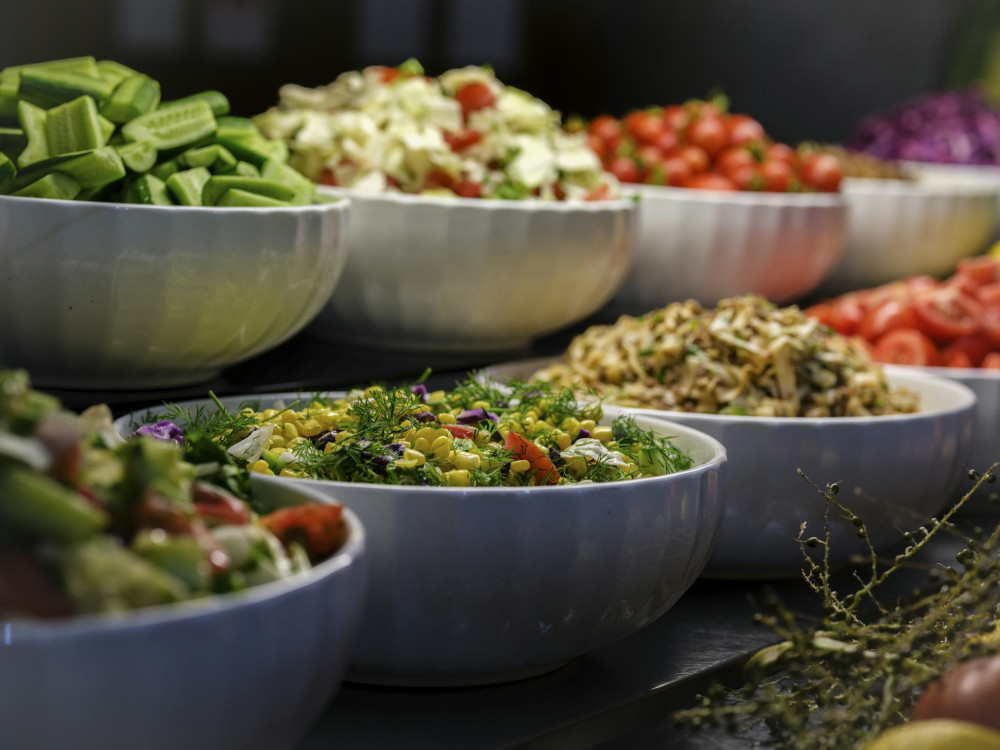
At its heart, the buffet is about freedom. Instead of being limited to a set menu, diners can build their own plates—sampling a little of everything or loading up on their favorites. That makes it perfect for groups with diverse tastes, ages, and dietary needs.
Vegetarians, meat lovers, and those with food allergies can all find something that suits them. This inclusivity helps everyone feel welcome and comfortable. It also invites curiosity: guests can try new dishes without committing to a full serving, turning the meal into a small culinary adventure.
Læs også:
A Social Way to Dine
Buffets are as much about connection as they are about food. Getting up to fill a plate creates natural breaks in conversation and opportunities to mingle. People swap recommendations—“You’ve got to try the mac and cheese!”—and share discoveries as they return to the table.
This movement and interaction make the buffet a social experience, ideal for events where the atmosphere is meant to be relaxed and lively. It’s dining that encourages conversation, laughter, and a sense of community.
Practical for Hosts and Kitchens
For hosts, the buffet offers clear advantages. It simplifies serving large groups, allowing the kitchen to prepare food in advance and present it all at once. There’s no need to coordinate multiple plated courses or manage complex timing.
It’s also flexible. If more guests show up than expected, it’s easy to stretch the meal with extra sides or bread. And because guests serve themselves, staff can focus on keeping the buffet fresh and the dining area tidy rather than rushing plates to tables.
Presentation and Experience
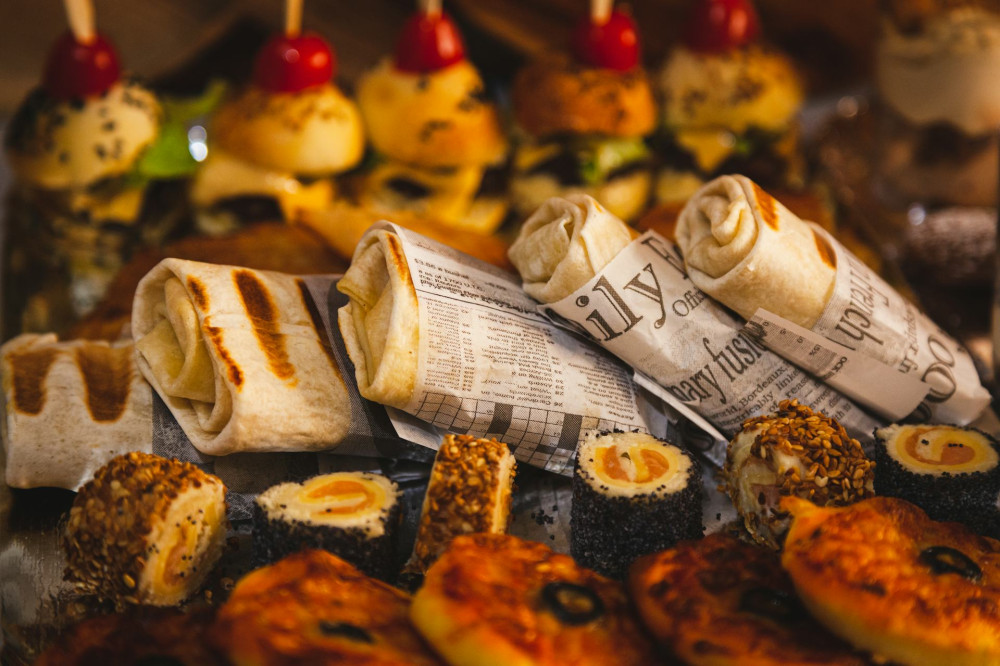
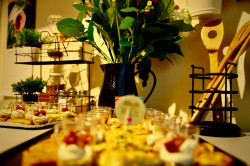
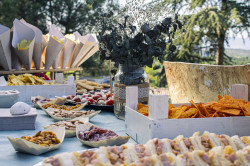
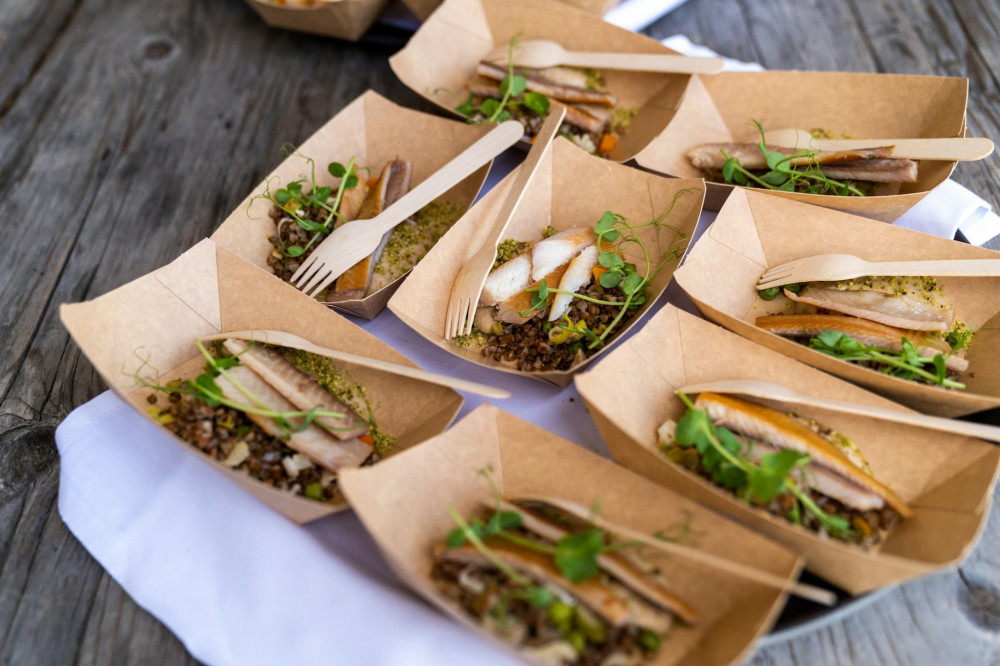
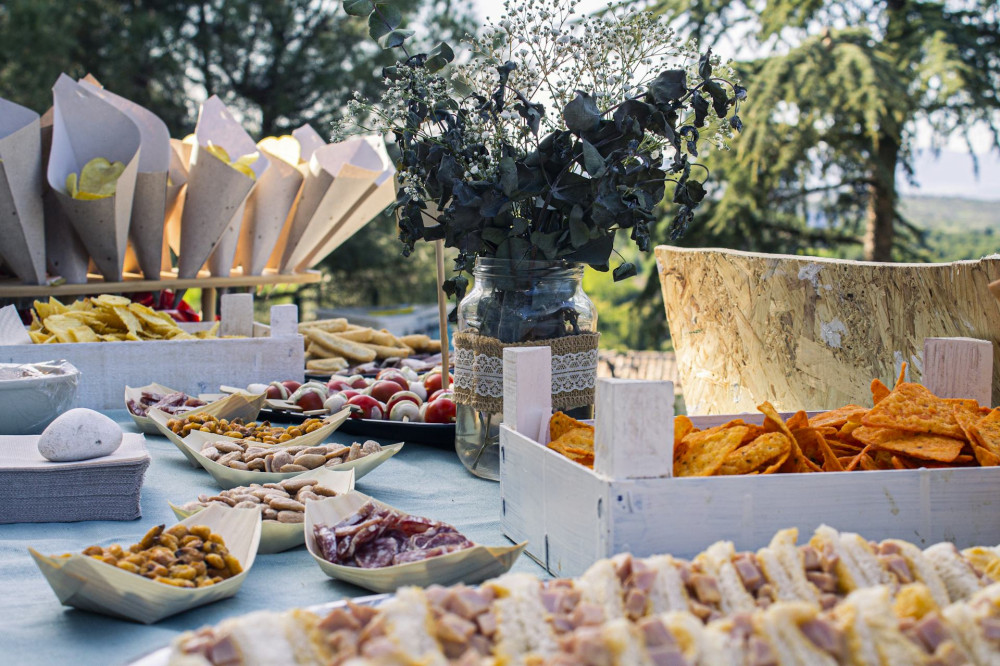
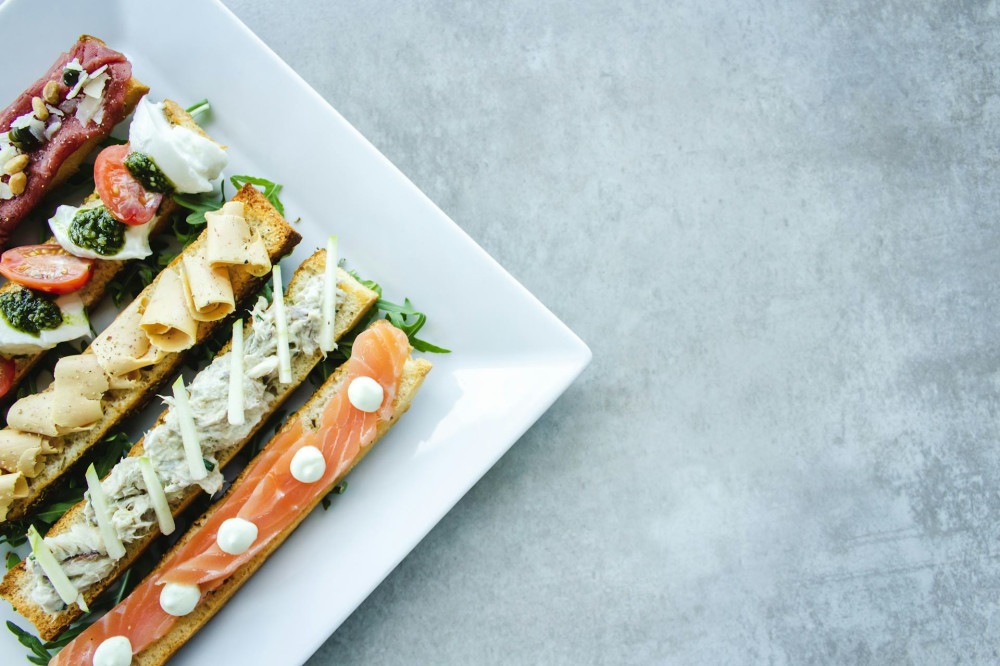
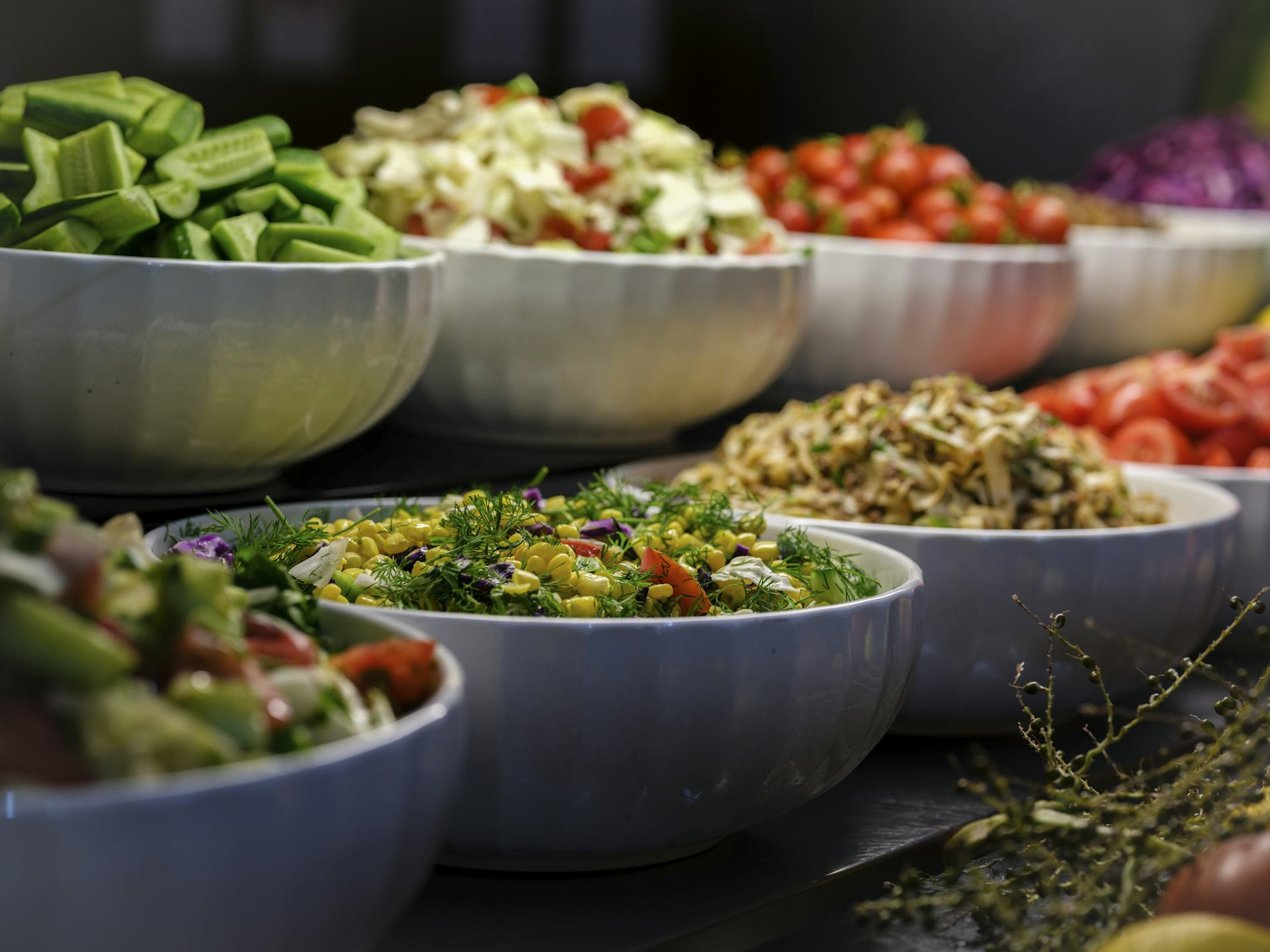
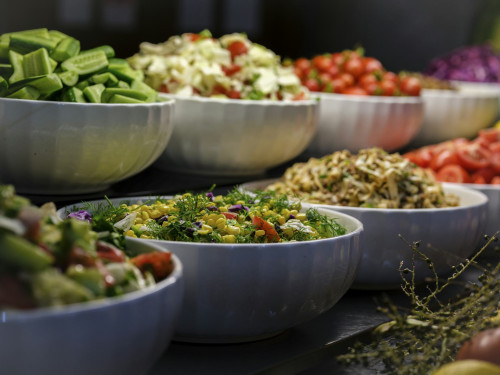
A well-arranged buffet is a feast for the eyes as well as the appetite. The colors, textures, and aromas create anticipation before the first bite. Many caterers and restaurants now treat buffet presentation as an art form—using themed displays, creative plating, and seasonal ingredients to elevate the experience.
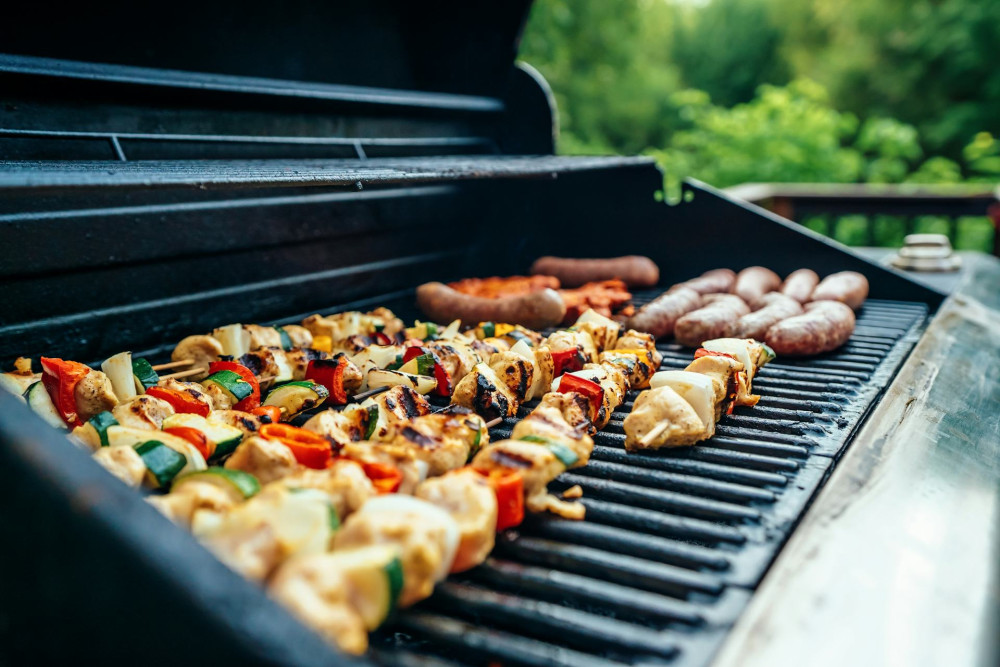
From a summer barbecue spread with grilled vegetables and fresh salads to a winter buffet featuring hearty stews and artisan breads, the buffet can be tailored to fit any season, theme, or mood. It’s not just a meal—it’s part of the event’s atmosphere.
Conscious Choices and Sustainability
Buffets have sometimes been criticized for food waste, but that’s changing. Many American caterers and restaurants are adopting smarter, more sustainable practices: smaller trays refilled as needed, locally sourced ingredients, and composting programs that reduce waste.
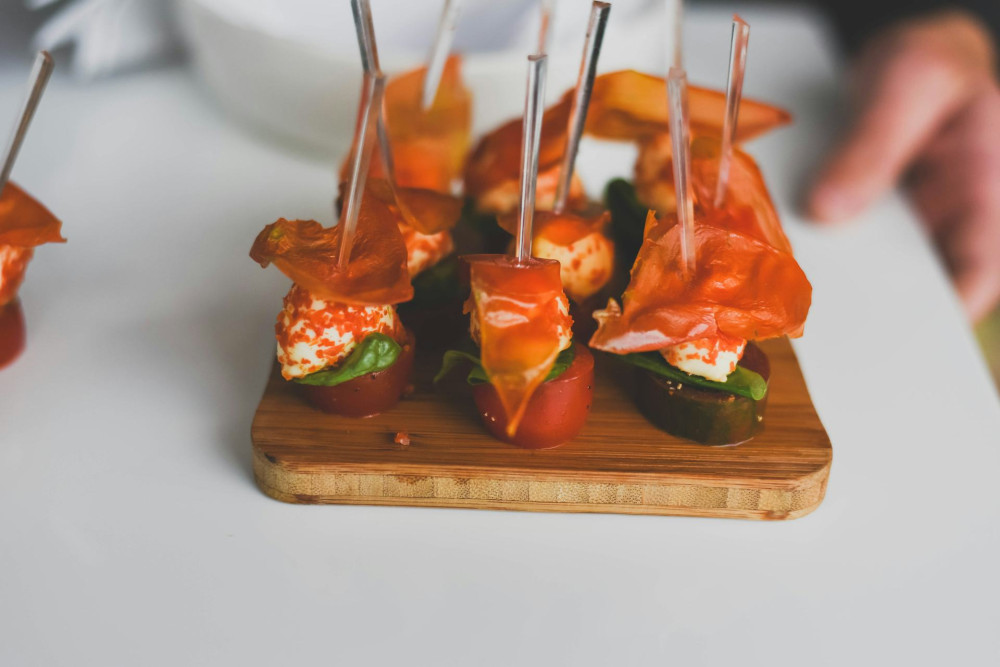
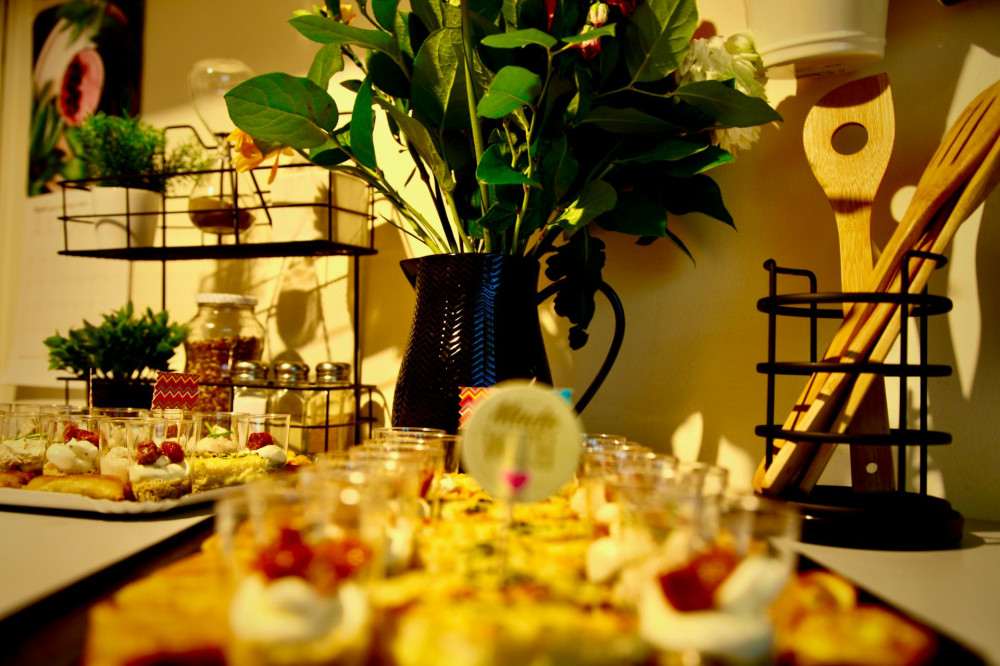
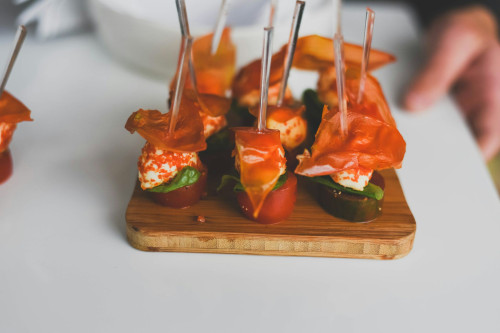
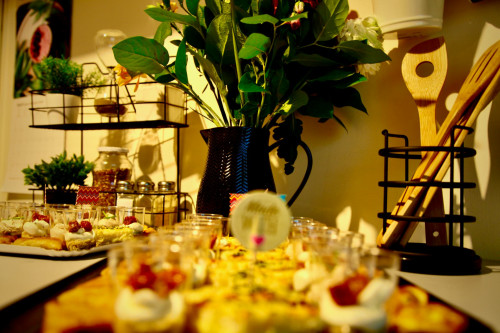
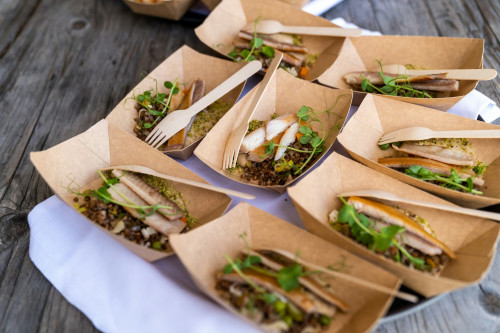
Some even blend buffet service with portioned options—small bowls, cups, or tasting plates—so guests still enjoy variety while minimizing leftovers. These innovations show that the buffet can evolve with modern values of sustainability and responsibility.
Freedom as the Common Thread
Ultimately, the buffet embodies freedom—the freedom to choose, to explore, and to create a personal dining experience. It brings together practicality and individuality, making it suitable for everything from casual family gatherings to elegant celebrations.
Perhaps that’s why the buffet remains a beloved American tradition: it celebrates diversity, not just on the plate, but around the table.
Læs også: