Efficient Buffet: How to Create a Smooth Flow and Avoid Lines at the Serving Station

Efficient Buffet: How to Create a Smooth Flow and Avoid Lines at the Serving Station
A buffet can be a great way to serve food—casual, flexible, and full of variety. But without careful planning, it can quickly turn into a traffic jam of hungry guests and lukewarm dishes. With a few smart strategies, you can design a buffet that keeps people moving, food fresh, and the atmosphere relaxed. Here’s how to create a smooth, efficient buffet experience that your guests will love.
Think in Terms of Flow—Not Just Food
When planning a buffet, it’s not only about what you serve but how guests move through the space. A well-designed layout is the foundation of a successful buffet.
- Start with the plates – Place them clearly at the beginning of the line so guests know where to start.
- Divide the buffet into sections – Appetizers, main dishes, sides, and desserts should each have their own area. This helps guests make choices faster and prevents bottlenecks.
- Duplicate the line for large events – Two identical serving lines can cut wait times in half and keep the mood upbeat.
- Guide the direction – Make sure guests move in one direction and have enough space to pass without bumping into each other.
Before the event, walk through the setup yourself. Notice where people might hesitate or crowd together, and adjust accordingly.
Add Visual Variety and Rhythm
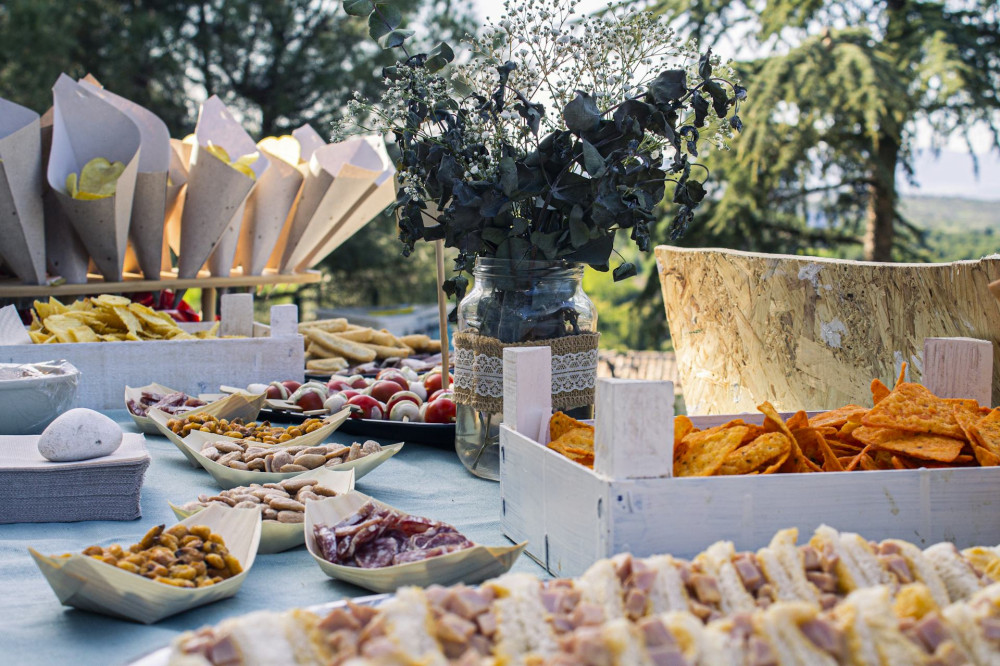
A buffet should be functional, but it should also look appealing. By varying the height and arrangement of dishes, you can make the display both attractive and easy to navigate.
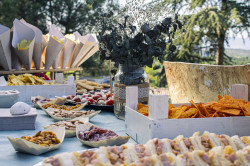
Use risers, stands, or tiered trays to create different levels so guests can see everything at a glance. Place popular items—like proteins or hot dishes—toward the middle of the line, and lighter sides or salads at the beginning and end. This naturally evens out the flow.
Avoid cluttering the table with too many small bowls or dishes. Fewer, well-labeled options make it easier for guests to move along without pausing too long.
Læs også:
Make Serving Simple
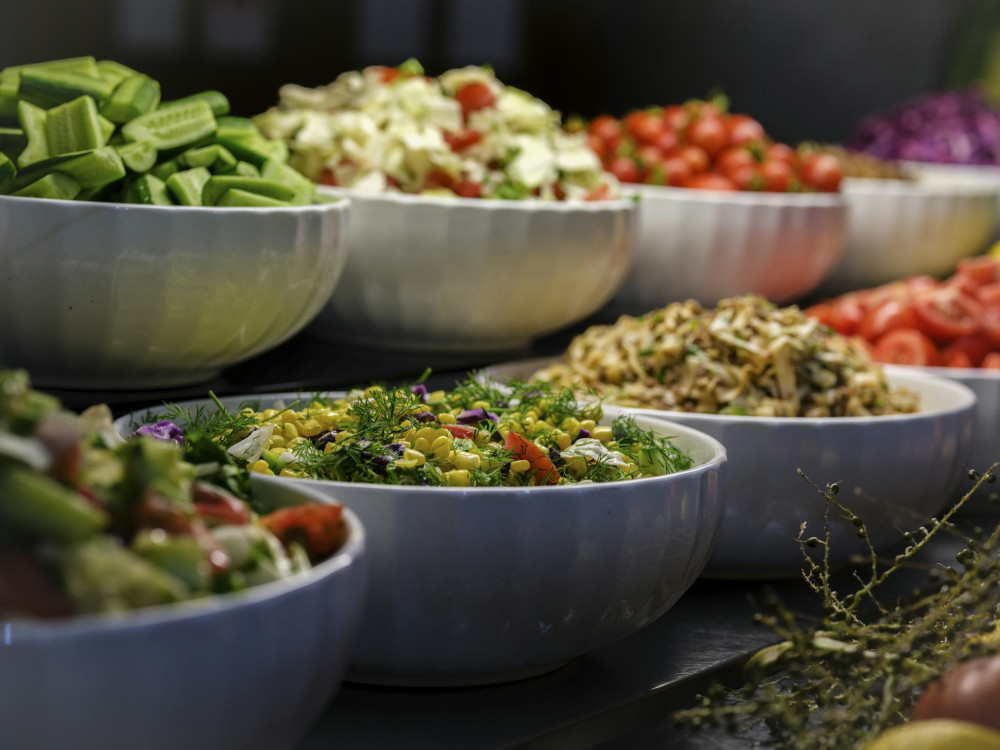
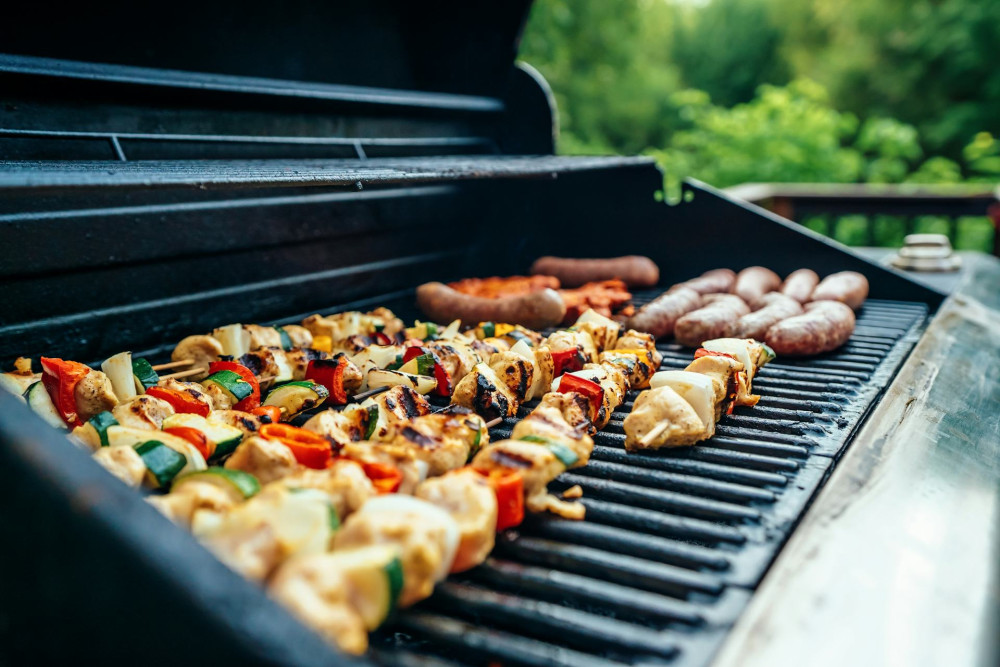
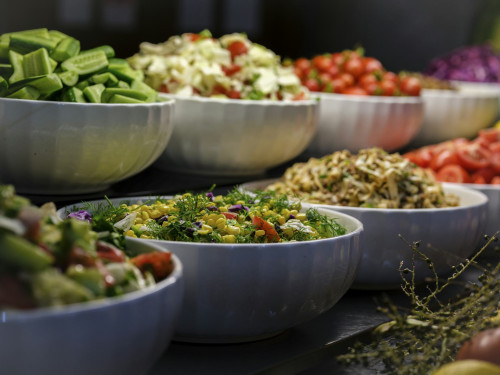
Small details can make a big difference in how quickly guests move through the buffet. Match serving utensils to the food—tongs for meats, large spoons for salads, and ladles for sauces or dressings. This helps guests serve themselves efficiently and reduces spills.
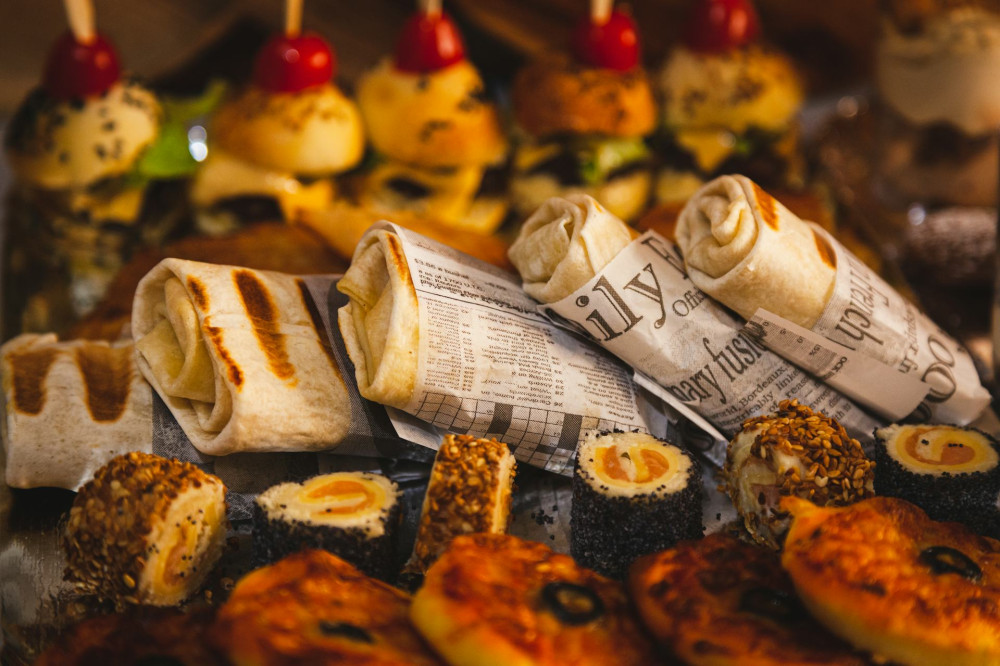
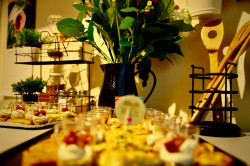
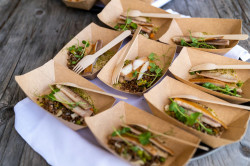
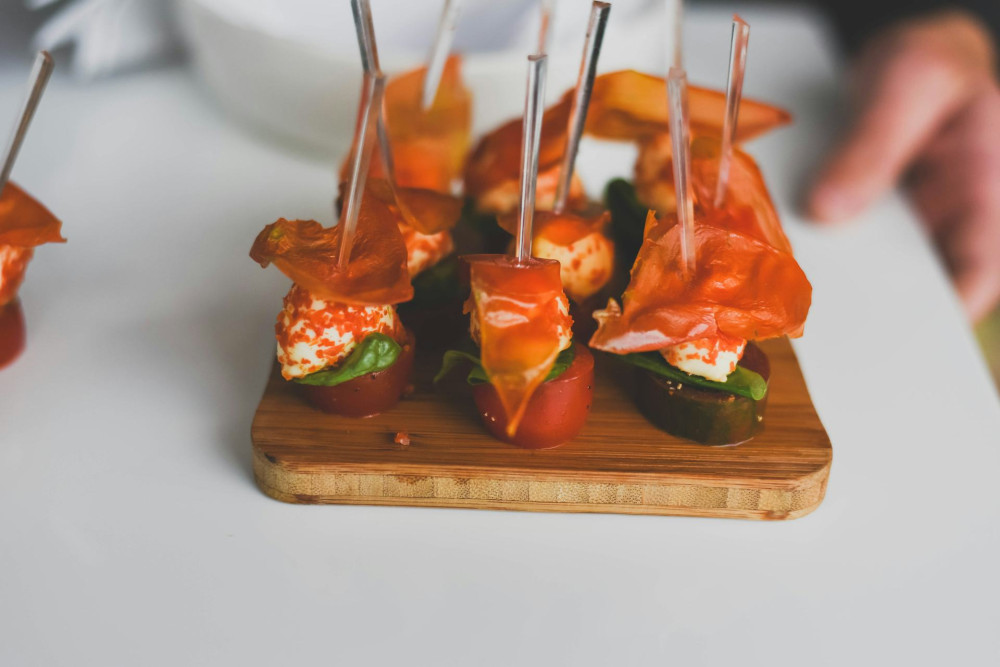
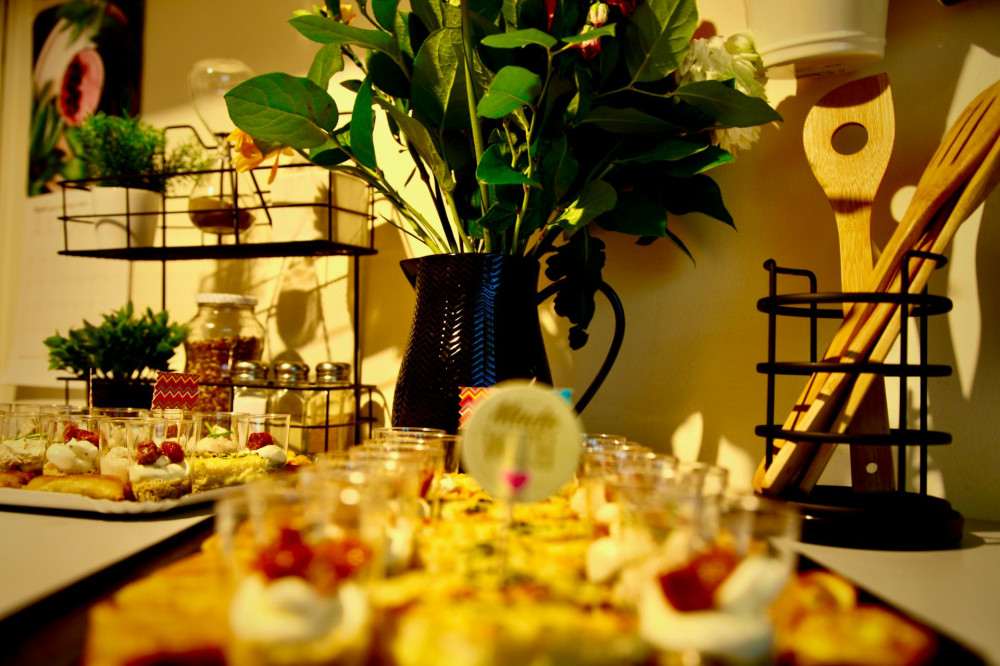
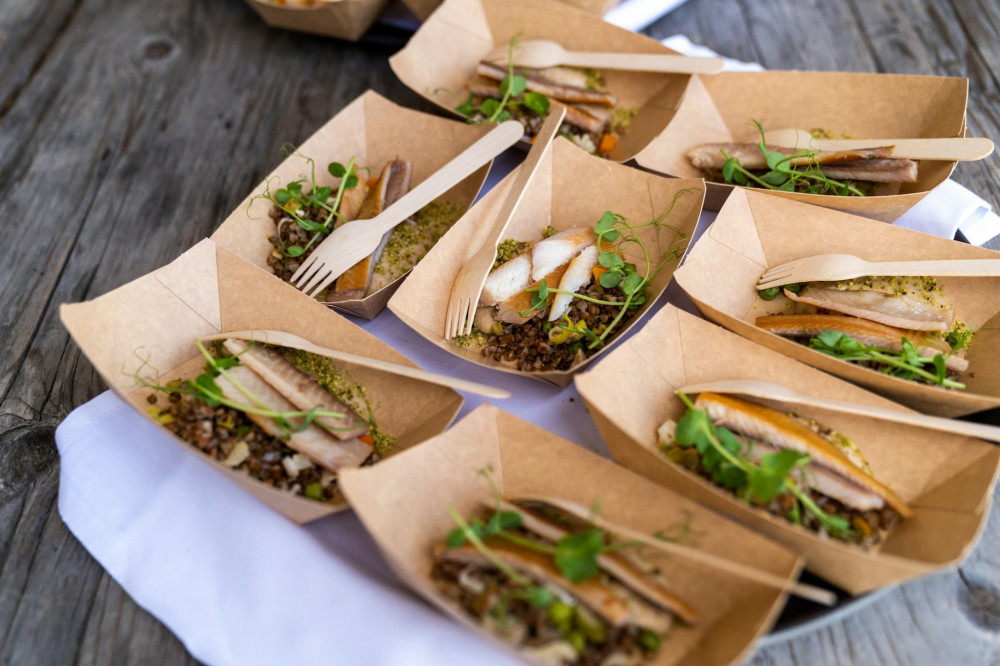
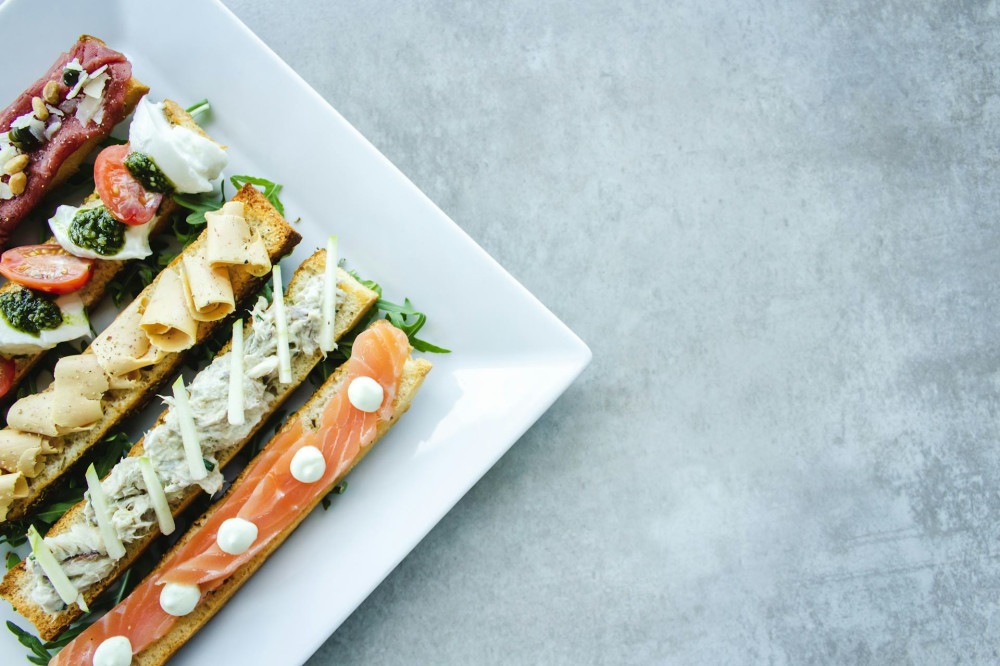
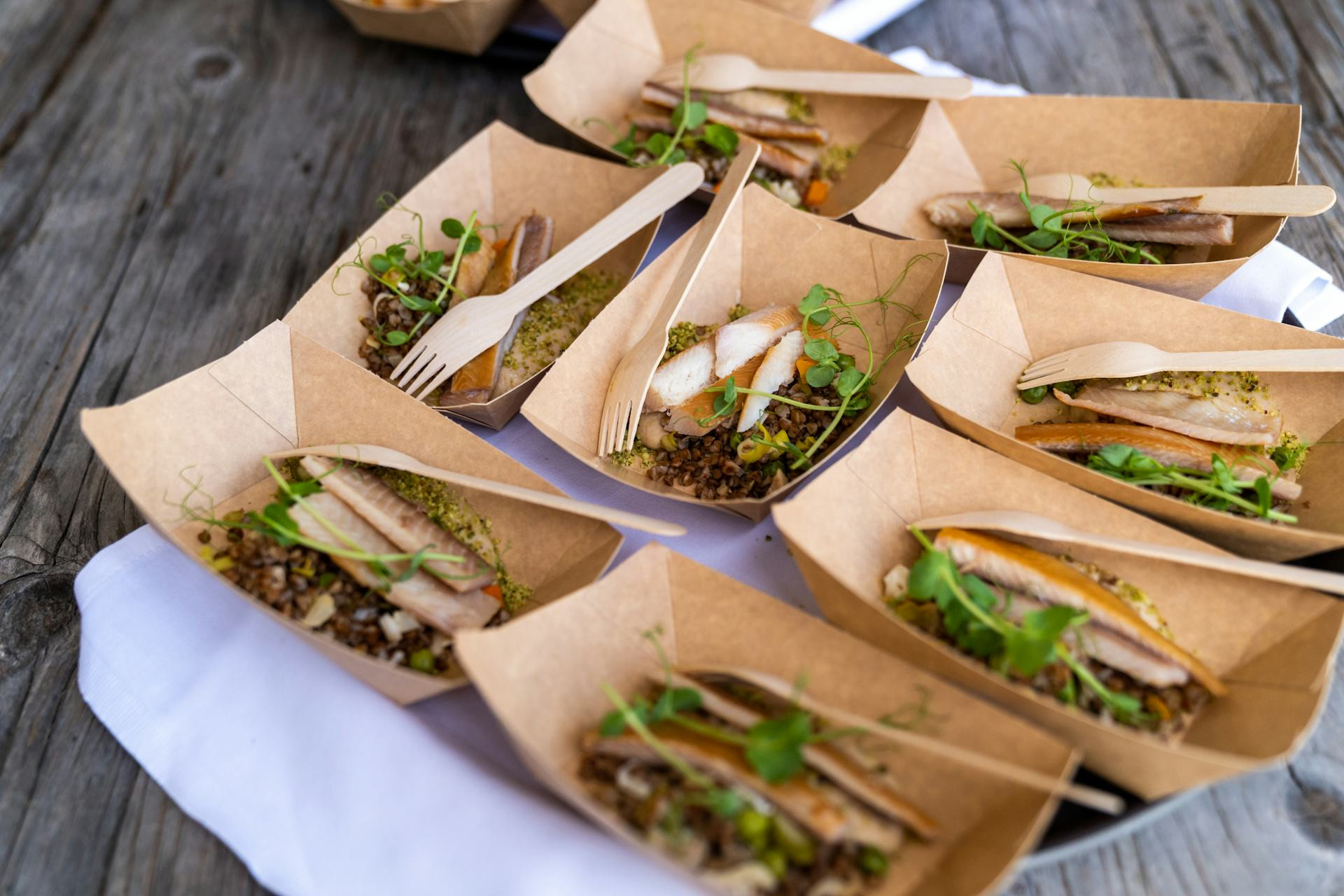
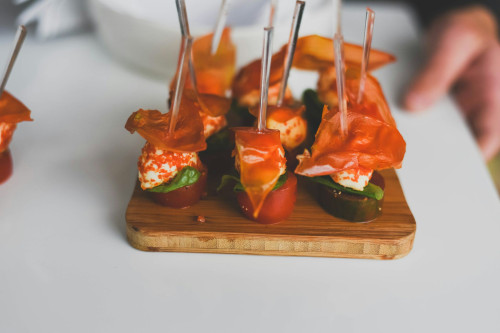
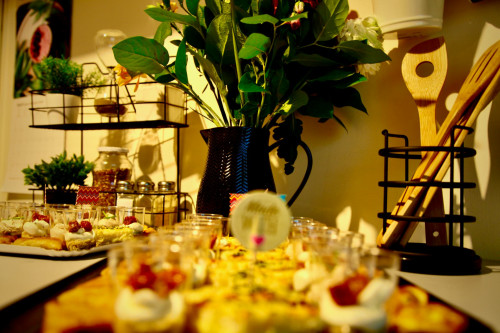
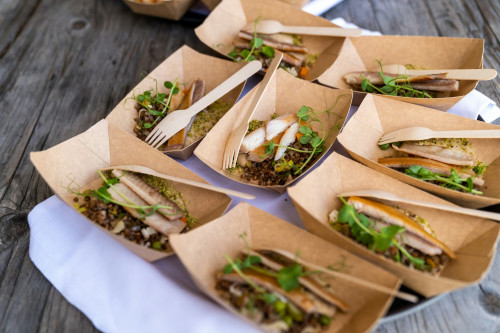
Consider offering some items in individual portions, such as mini salad cups, sliders, or dessert shooters. These look elegant, minimize handling, and speed up the line.
If you’re serving hot food, keep it at the right temperature for both safety and taste. Use chafing dishes, warming trays, or heat lamps, and check regularly to ensure everything stays fresh and appetizing.
Clear Signage Makes a Big Difference
One of the easiest ways to improve buffet flow is through clear labeling. When guests can quickly identify dishes, they don’t have to stop and ask questions.
Create small, easy-to-read signs with the name of each dish and note any dietary details—such as “vegetarian,” “gluten-free,” or “contains nuts.” This helps guests make quick decisions and feel comfortable with their choices.
You can also use signs to guide movement: “Start Here,” “Desserts at the End,” or “Please Use a New Plate for Seconds.” These gentle cues keep things organized without feeling restrictive.
Keep It Fresh and Refilled
A buffet should look inviting from start to finish—not just when the first guests arrive. Assign one or two people to monitor the table, refill dishes, and tidy up as needed.
It’s better to replenish smaller portions more often than to set everything out at once. This keeps food looking fresh and reduces waste. Replace messy or empty platters promptly so the buffet always looks abundant and appetizing.
Create Space and Balance
For larger gatherings, think about how guests will move around the room. Separate stations for drinks, salads, or desserts can help distribute people more evenly and prevent crowding in one area.
You can also serve the meal in stages—appetizers and mains first, desserts later. This pacing gives guests time to enjoy each course and keeps the serving area manageable.
A Buffet That Works—and Feels Good
An efficient buffet isn’t about rushing people through the line; it’s about creating a natural, enjoyable flow. When guests can move easily, they spend less time waiting and more time enjoying the food and company—and you can relax and enjoy hosting.
With thoughtful layout, clear signage, and attentive refilling, your buffet can go from a logistical challenge to a highlight of the event.
Læs også: