Stress-Free Entertaining – Planning, Timing, and Calm in the Kitchen


Stress-Free Entertaining – Planning, Timing, and Calm in the Kitchen
Inviting friends or family over for dinner should be a joy, not a source of anxiety. Yet many hosts find themselves rushing around the kitchen as the doorbell rings. The secret to a relaxed and enjoyable evening lies in preparation. With a bit of planning, realistic choices, and a calm mindset, you can create a warm, memorable gathering—and actually enjoy it yourself.
Start with a Plan – and Keep It Simple
The first step toward stress-free entertaining is to plan ahead. Think about the kind of evening you want: a casual backyard cookout, a cozy dinner party, or a potluck-style gathering where everyone contributes. Choose something that fits your schedule, your space, and your comfort level.
Write down your menu and note what can be prepared in advance. Many dishes—like casseroles, pasta salads, or desserts—taste even better the next day. The more you can do ahead of time, the less you’ll have to juggle when guests arrive.
Stick to recipes you know and trust. It’s tempting to try something new and impressive, but that often adds unnecessary stress. A well-executed favorite always beats a complicated experiment that doesn’t quite work out.
Timing Is Everything
Once your menu is set, create a timeline. It doesn’t have to be fancy—just a simple list of what needs to happen and when. Knowing your schedule helps you stay calm and in control.
- 2–3 days before: Plan your menu, make a shopping list, and check that you have all the cookware and serving dishes you need.
- The day before: Clean the kitchen, set the table, and prep as much food as possible.
- The day of: Focus on final touches—cooking, reheating, garnishing, and tasting.
Don’t forget to schedule time for yourself. A half hour to shower, change clothes, and take a breath before guests arrive can make all the difference in how the evening feels.
Create Calm in the Kitchen
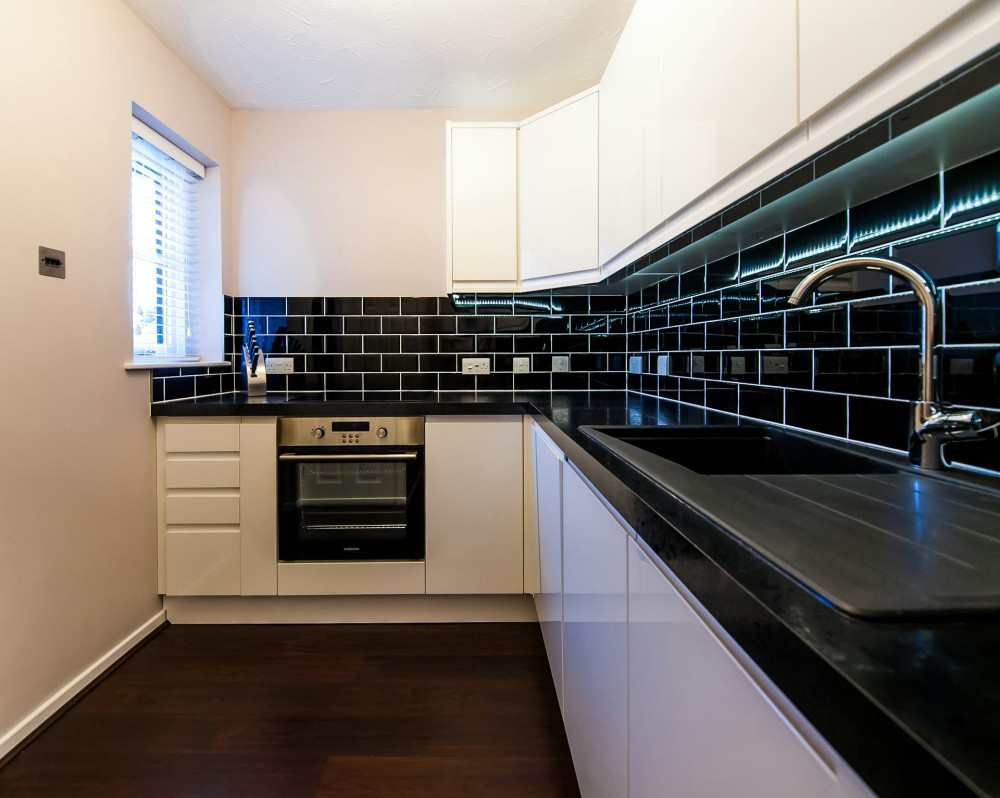
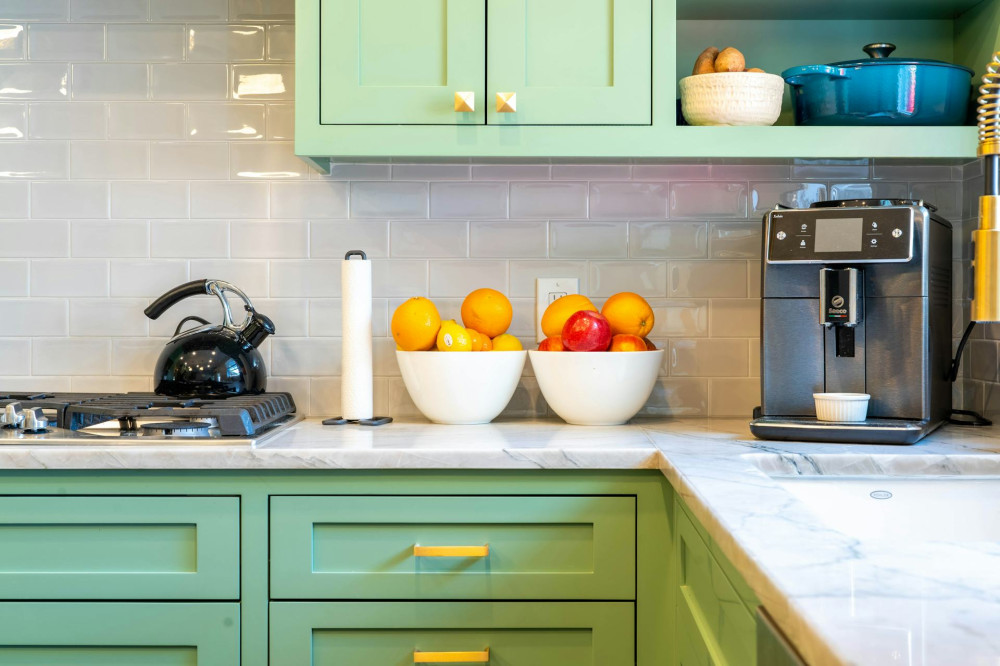
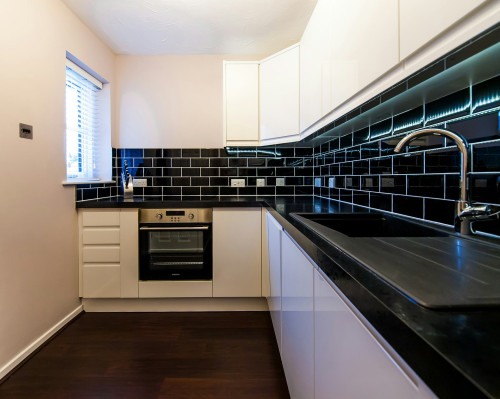
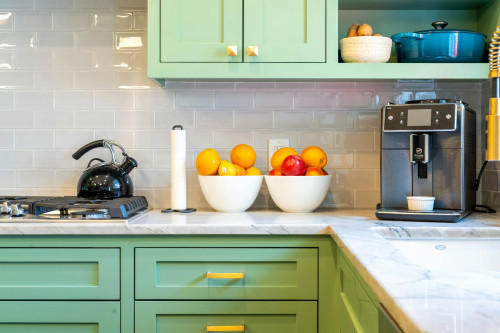
A tidy kitchen is a peaceful kitchen. Clear your counters, organize your tools, and empty the dishwasher so you can load it as you go. Keep a bowl or small bin nearby for food scraps to minimize clutter.
If you have the space, set up a small “staging area” for serving dishes. Having one spot where everything comes together before it goes to the table helps you stay organized and avoid last-minute confusion.
Music can also set the tone. Choose something mellow and upbeat—jazz, acoustic, or soft pop—to make cooking feel like part of the celebration rather than a chore.
Let Guests Join the Fun
You don’t have to do everything yourself. Most guests enjoy helping out—it makes the evening feel more relaxed and communal. Let someone pour drinks, slice bread, or garnish the dessert. It takes pressure off you and creates a friendly, informal atmosphere.
Consider menus that invite participation, like build-your-own tacos, a burger bar, or a family-style pasta dinner. These setups encourage conversation and keep you out of the kitchen once the meal begins.
When Things Go Wrong (Because They Sometimes Do)
Even the best-laid plans can hit a snag. Maybe the roast takes longer than expected, or the sauce doesn’t turn out quite right. The key is to stay calm. Your guests are there to enjoy your company, not to critique your cooking.
Always have a backup plan: a simple salad, a loaf of good bread, or a bottle of wine can save the day. And remember, laughter is the best remedy when something goes sideways.
Læs også:


Enjoy the Moment – That’s What Guests Remember
Once the food is on the table, let go of perfection. Sit down, relax, and enjoy the company you’ve gathered. A host who’s present and at ease sets the tone for the entire evening.
Entertaining isn’t about flawless meals or picture-perfect tablescapes—it’s about connection. With thoughtful planning, good timing, and a calm kitchen, you can create evenings that feel effortless and full of joy—for you and your guests alike.
Læs også: