Harmony in the Kitchen: Create Balance with Colors and Materials in Storage

Harmony in the Kitchen: Create Balance with Colors and Materials in Storage
A kitchen is more than a place to cook—it’s the heart of the home, where function meets style. When colors, materials, and storage solutions work together, they create a sense of calm and balance that makes everyday life easier and more enjoyable. Whether you have a spacious open kitchen or a compact city apartment, thoughtful choices can help you design a space that feels both practical and harmonious. Here’s how to use color and materials to bring balance and beauty to your kitchen storage.
Colors That Set the Mood
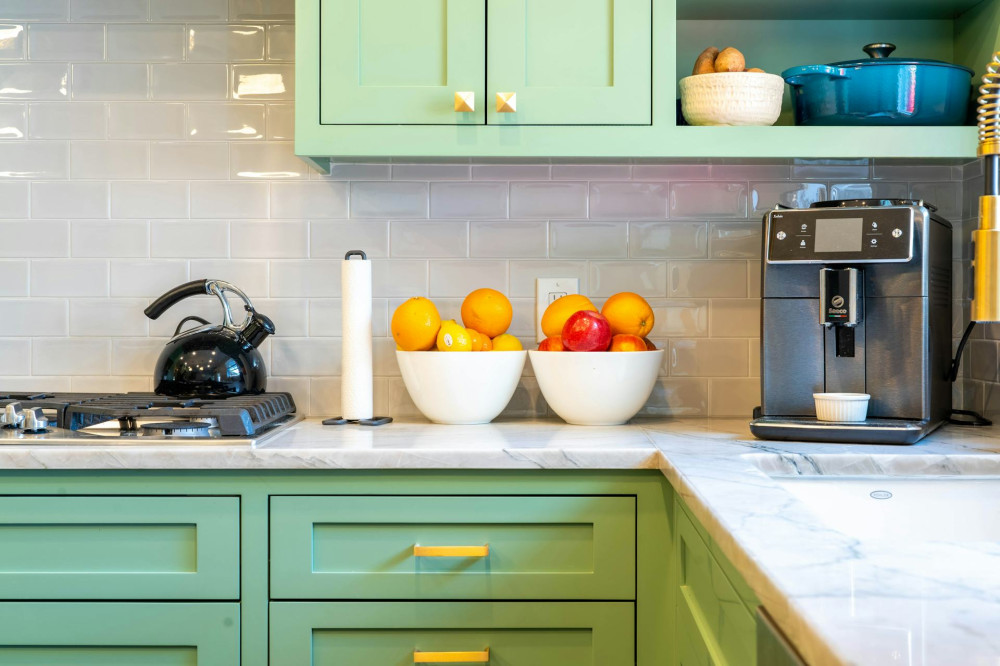
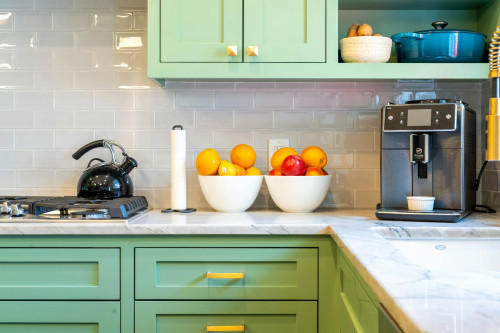
Color has a powerful effect on how we experience a space. In the kitchen, it’s all about finding the right balance between energy and tranquility. Soft neutrals like white, cream, and light gray create a clean, timeless look, while warm earth tones—such as sand, terracotta, or sage—add depth and comfort.
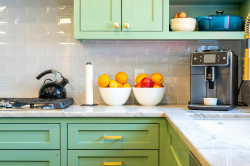
If you want to introduce more personality, use color in small doses. Try colorful storage jars, patterned dish towels, or painted shelves. Keeping your storage containers within a consistent color palette helps tie the room together and creates a cohesive, calming atmosphere.
A simple rule of thumb: choose one dominant color and two or three complementary shades. This approach adds variety without overwhelming the space.
Materials with Personality
Materials play a key role in defining the kitchen’s character. Mixing textures—smooth and rough, matte and glossy—adds visual interest while maintaining balance.
- Wood brings warmth and a natural touch. Use it for open shelving, cutting boards, or storage boxes to soften modern designs.
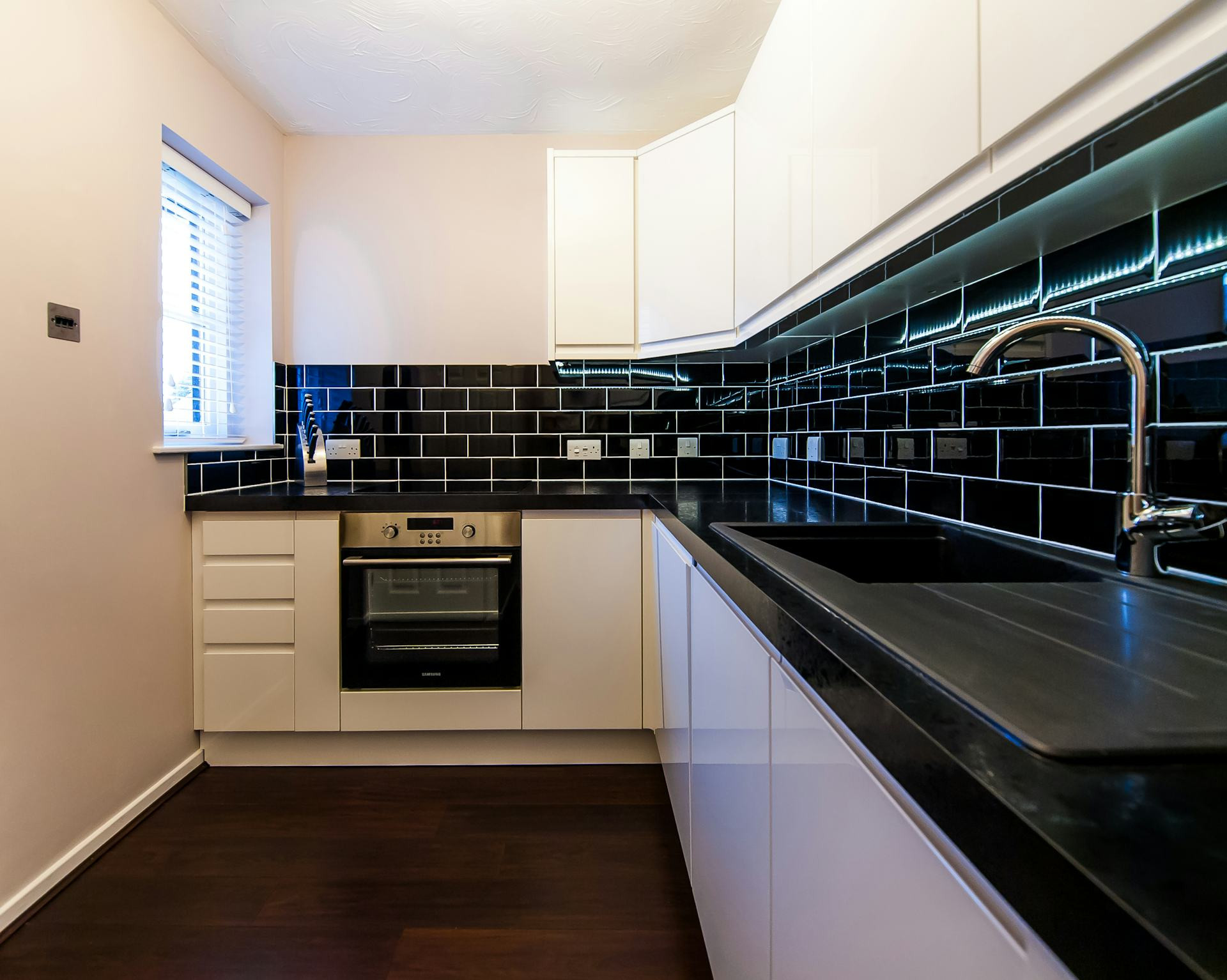
- Metal—like stainless steel, brass, or matte black finishes—adds a sleek, industrial edge, perfect for cabinet handles or countertop accessories.
- Glass and ceramic introduce lightness and transparency, ideal for open shelves or display cabinets.
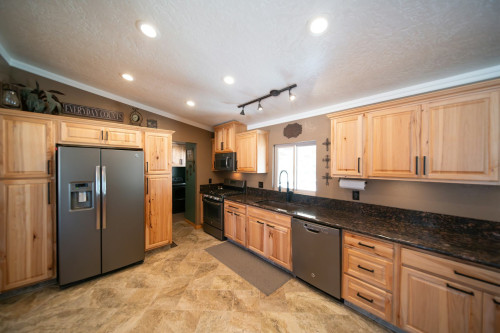
- Natural stone such as marble or granite adds weight and luxury but pairs beautifully with softer materials for contrast.
When combining materials, consider how they look and feel together. Let one material take the lead and use others as accents to create a balanced composition.
Storage as a Design Element
Storage isn’t just about organization—it’s a design opportunity. Cabinets, drawers, and shelves can all contribute to the overall aesthetic of your kitchen.
Closed storage keeps clutter out of sight and maintains a clean look, while open shelving allows you to display your favorite pieces. A mix of both gives you flexibility and visual balance.
Think about how you organize what’s inside, too. Matching containers, labels, and baskets in similar materials can turn even the busiest pantry into a visually pleasing space.
If you have room, create small “zones”—like a coffee station or baking area—where everything you need is within reach. These dedicated spaces make daily routines smoother and more enjoyable.
Læs også:

Lighting and Atmosphere
Lighting is often overlooked when designing a harmonious kitchen, but it can make all the difference. The right lighting enhances colors and materials, bringing out their best qualities.
Combine task lighting with softer ambient light. Under-cabinet lights are great for food prep, while pendant lamps over an island or dining area add warmth and style.
Choose bulbs with a warm color temperature to make materials appear natural and inviting. And don’t forget that lighting fixtures themselves can be design statements—a brass pendant or glass globe can be both functional and decorative.
Finding Your Own Balance
There’s no single formula for a harmonious kitchen. It’s about discovering what balance means to you. Some people thrive in a minimalist space with clean lines and subtle tones, while others prefer a more eclectic mix of textures and colors.
Start by decluttering and keeping only what you truly use. Then, build your design with intention—selecting colors, materials, and storage solutions that reflect your lifestyle. When these elements come together, your kitchen becomes more than a workspace—it becomes a place where you feel at home.
Læs også: