Sensory Kitchen: Use Materials with Texture and Tactile Qualities

Sensory Kitchen: Use Materials with Texture and Tactile Qualities
A kitchen is more than a place to cook—it’s a space to experience. When materials invite touch and surfaces have depth and character, the room becomes alive in a way that goes beyond what the eye can see. A sensory kitchen engages your hands as much as your eyes, blending textures, temperatures, and natural materials to create a sense of calm and authenticity in everyday life.
Why Touch Matters
In an era of sleek, minimalist kitchens filled with glossy finishes and synthetic surfaces, texture brings warmth and balance. Materials with tactile qualities—like brushed metal, natural wood, or matte ceramics—add authenticity and remind us of craftsmanship, nature, and the passage of time.
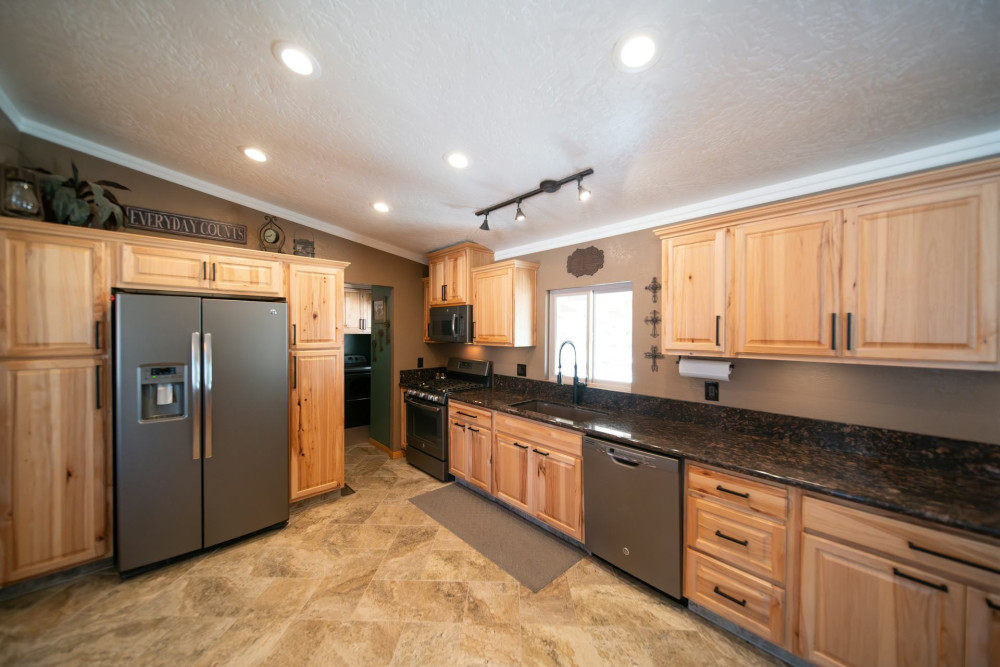
When you run your hand across a solid wood countertop, you feel the grain and the gentle warmth of the material. A rough stone backsplash or a matte tile surface offers resistance and character. It’s this variation that makes a kitchen feel lived-in and welcoming.
Læs også:


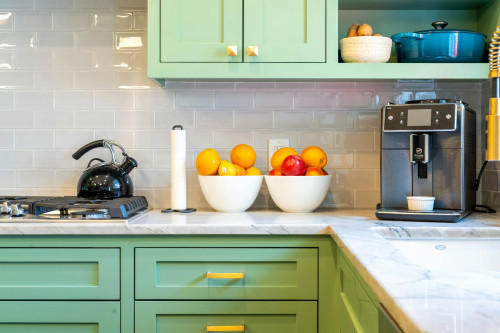
Materials That Awaken the Senses
A sensory kitchen doesn’t require an overload of materials—just a few carefully chosen ones that speak to the senses. Consider these options:
- Wood – Warm, organic, and ever-changing. Oak, walnut, and maple are American favorites, but reclaimed barn wood or bamboo can add a unique story. Leave the surface lightly oiled or unfinished to preserve its natural texture.
- Natural Stone – Granite, soapstone, and marble each have their own cool touch and distinctive veining. They age beautifully and give the kitchen a sense of permanence.
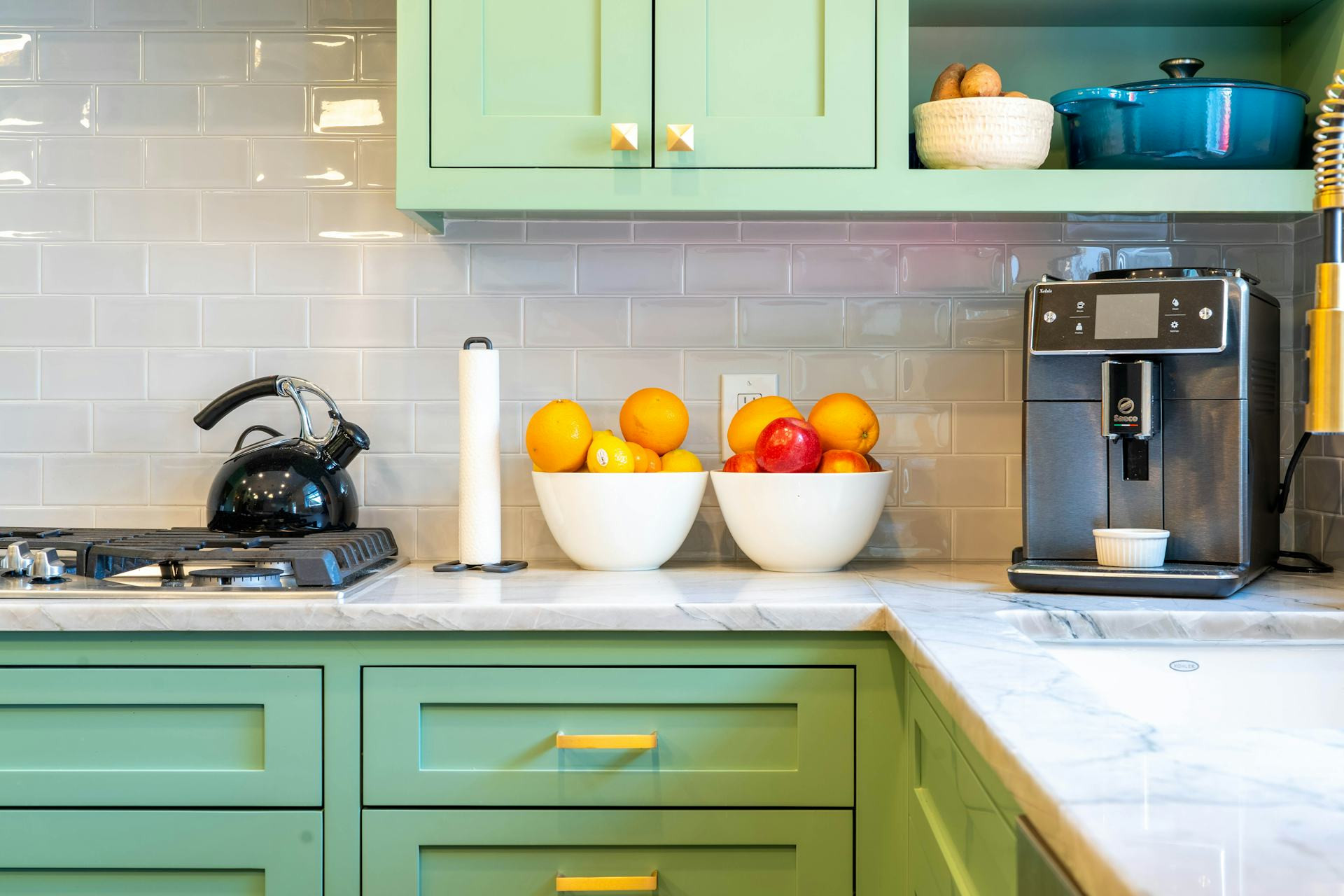
- Ceramics and Porcelain – Matte tiles, handmade bowls, and uneven glazes bring a handcrafted feel and visual softness.
- Metal – Brushed brass, copper, or stainless steel can add contrast and glow. Over time, they develop a patina that tells the story of daily use.
- Textiles – Woven cotton towels, linen runners, and wool rugs soften the space and add a tactile layer often overlooked in kitchen design.
Balancing the Raw and the Refined
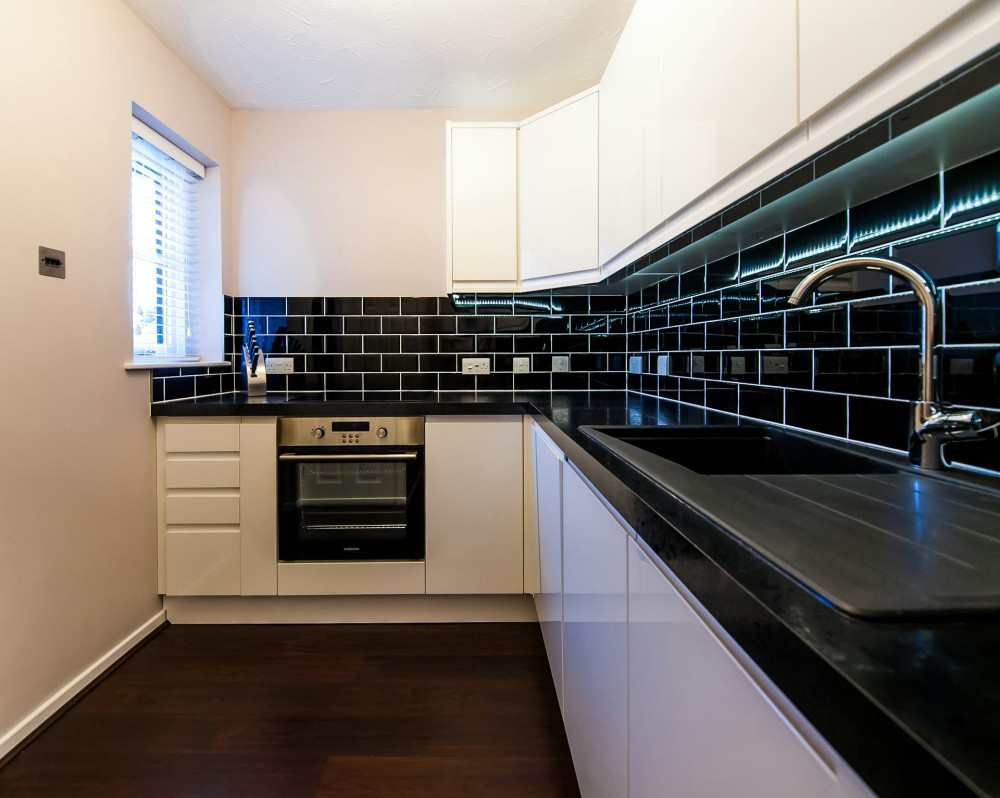
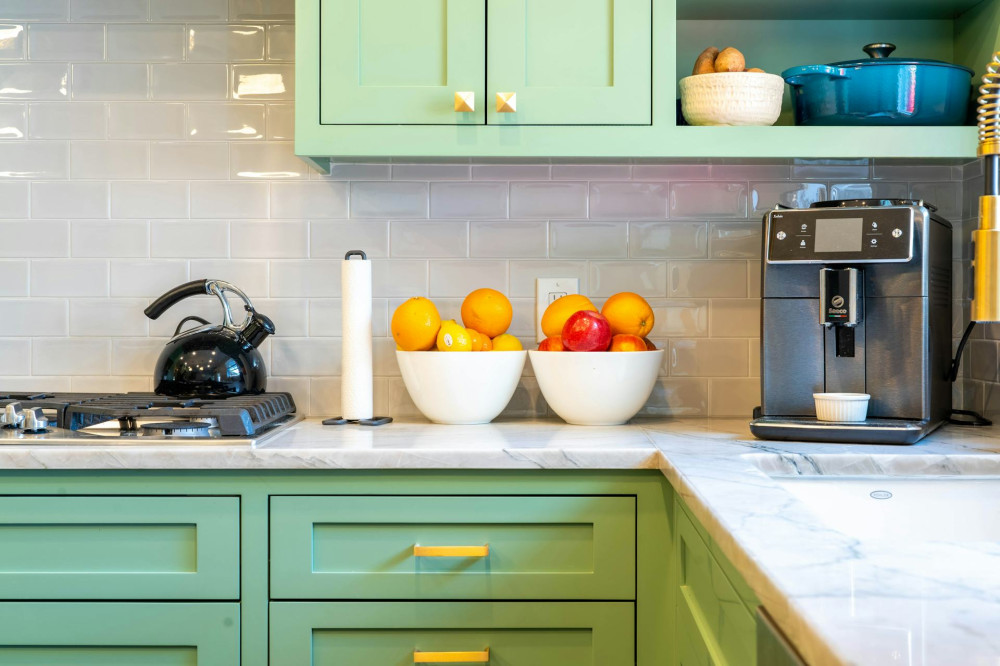
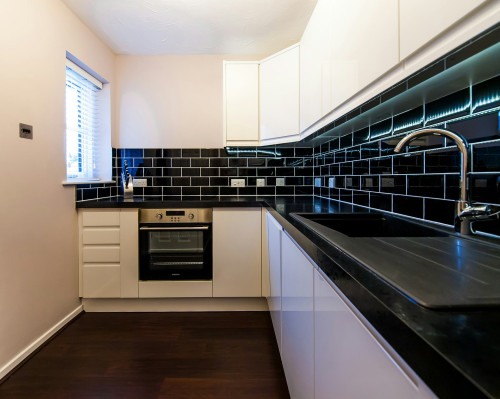
A sensory kitchen isn’t about filling the room with rustic materials—it’s about balance. Combine rough with smooth, matte with glossy. A polished quartz countertop can highlight a wall of exposed brick, while a sleek sink gains warmth beside a wood-front cabinet with visible grain.
Lighting also plays a key role. Soft, warm light makes matte surfaces feel velvety, while natural daylight enhances texture and color variation. The interplay of light, shadow, and surface is where the sensory experience truly comes alive.
Adding a Personal Touch
A kitchen with tactile qualities rarely looks flawless—and that’s the beauty of it. Small imperfections, scratches, and patina show that the space is used and loved. They give it soul and authenticity.
Incorporate elements with a story: a vintage cutting board, handmade pottery, or open shelving crafted by a local artisan. These details make the kitchen feel personal, not staged.
A Counterbalance to the Digital World
In a life dominated by screens and technology, the sensory kitchen offers a refuge. It’s a place to touch, smell, and taste—without filters or distractions. When you knead dough on a cool stone surface or pour coffee into a textured mug, you’re reminded that cooking is a physical, grounding act.
A kitchen rich in texture and tactile qualities isn’t just a design choice—it’s a lifestyle. It’s about creating a space that speaks to the senses and invites you to slow down, connect, and truly live in the moment.
Læs også: