Spirits Without Snobbery – How to Choose Drinks That Complement Your Meal

Spirits Without Snobbery – How to Choose Drinks That Complement Your Meal
Choosing the right drink for your meal doesn’t have to be pretentious or complicated. It’s really about balance—finding something that enhances the flavors on your plate without overpowering them. Whether you prefer wine, beer, cocktails, or nonalcoholic options, a few simple principles can help you pair drinks and dishes so they bring out the best in each other. Here’s a guide to choosing spirits and other beverages with taste and common sense—no snobbery required.
Forget the Rules—Think in Flavors
There are plenty of “rules” about what you should or shouldn’t drink with certain foods. But in reality, it’s more useful to think in terms of flavor profiles than strict pairings. A good rule of thumb is to match intensity: bold dishes call for bold drinks, while lighter meals pair best with something crisp and refreshing.
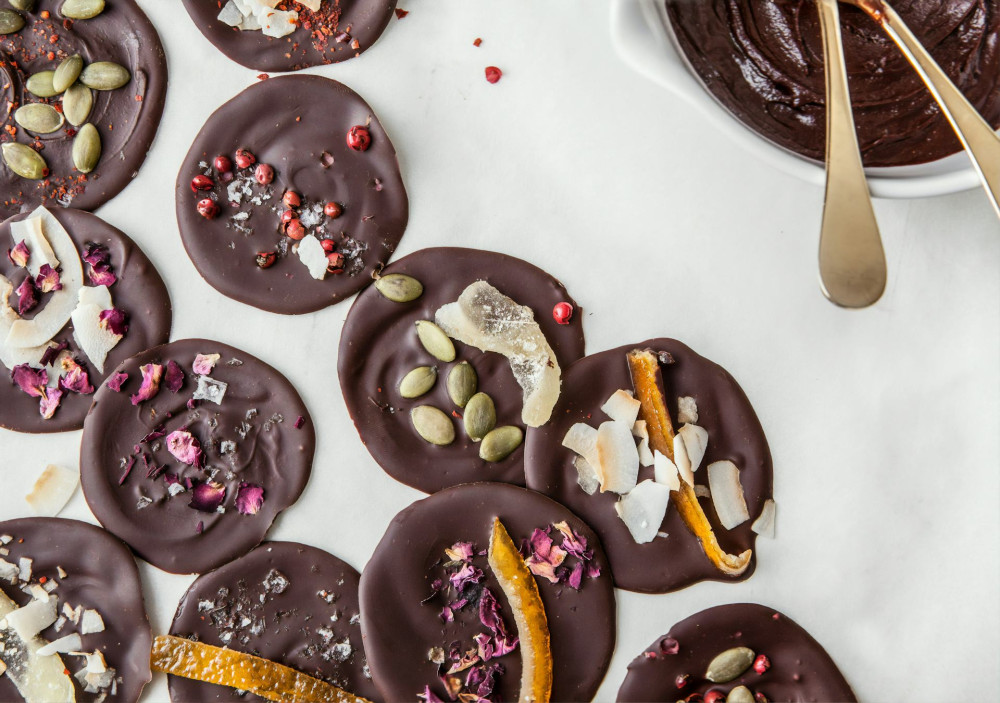
- Sweet dishes work well with drinks that have a touch of sweetness—think a dessert liqueur, a smooth rum, or a lightly sweet cocktail.
- Salty or rich foods benefit from something that can cut through the fat, like a dry gin and tonic, a crisp lager, or a sparkling cider.
- Spicy meals pair nicely with drinks that balance the heat—try a fruity beer, a citrus-forward cocktail, or even a slightly sweet whiskey highball.
When you focus on flavor rather than rules, it becomes easier to experiment—and you’ll quickly discover what works for your own palate.
Spirits as a Companion—Not the Main Event
Spirits are often thought of as pre-dinner aperitifs or after-dinner sippers, but they can also play a role during the meal itself. The key is moderation. A well-chosen cocktail or small pour can highlight the flavors in your food, but too much alcohol can easily overwhelm them.
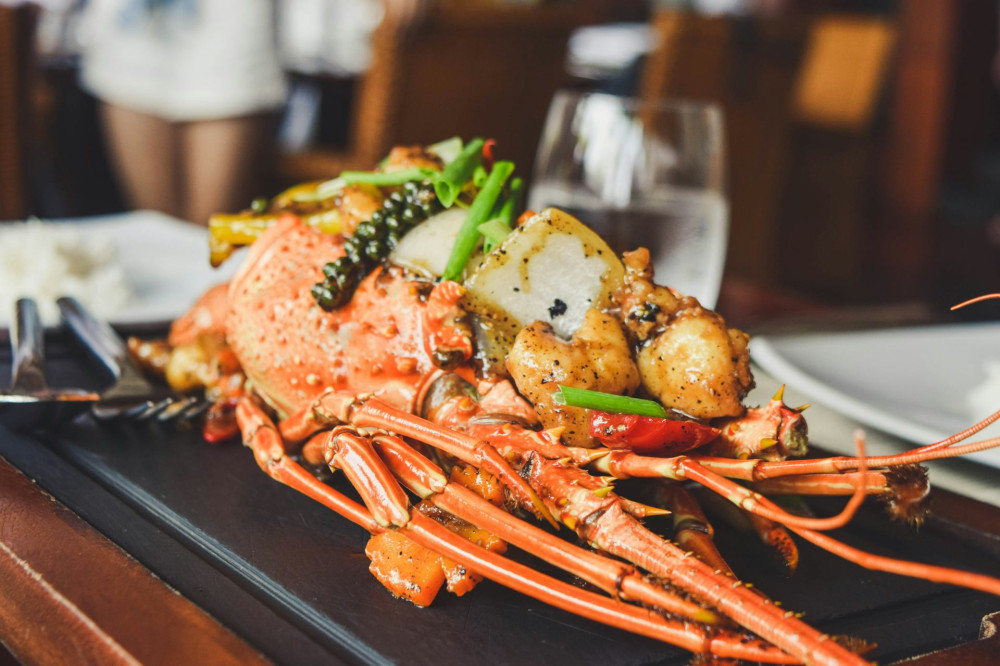
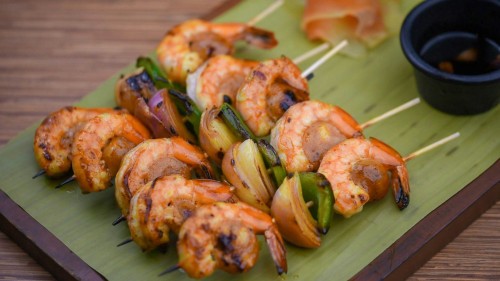
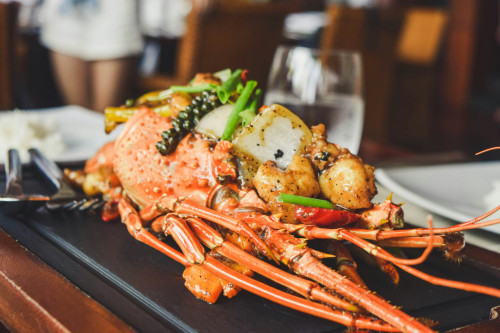
- Gin, with its herbal and citrus notes, pairs beautifully with seafood, salads, and lighter appetizers.
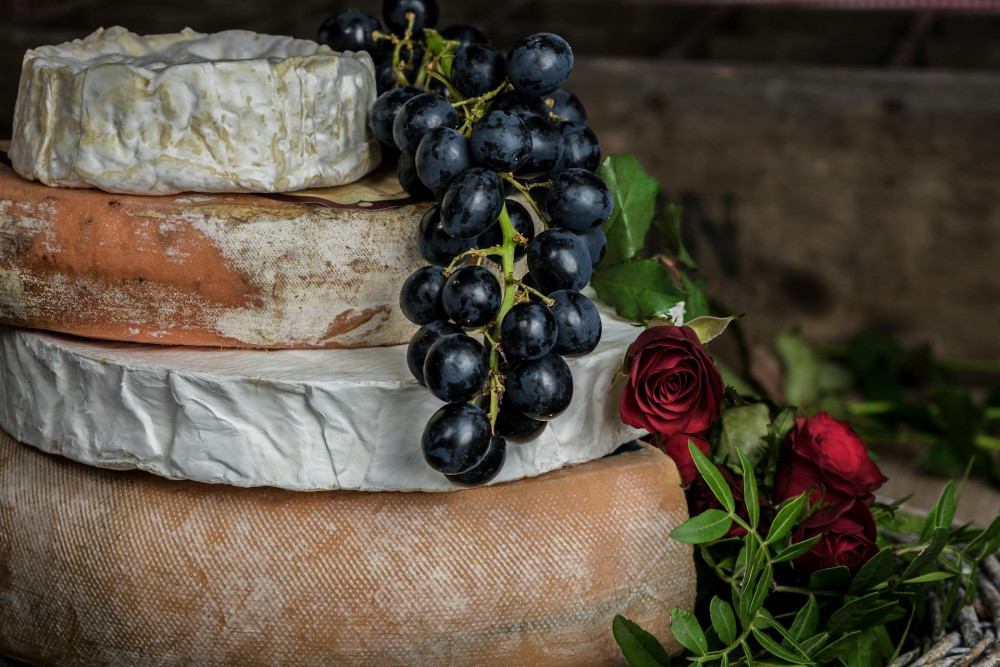
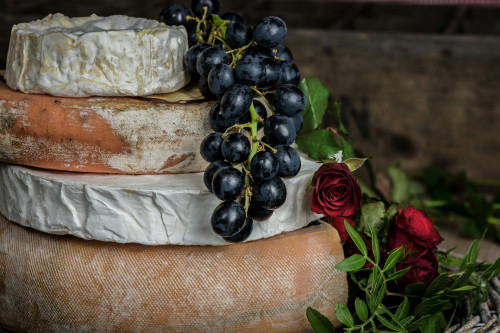
- Whiskey can be a surprisingly good match for smoked meats or aged cheeses, especially if it has a hint of sweetness.
- Rum complements spicy dishes from the Caribbean or Southeast Asia, where its warmth and sweetness echo the flavors of the cuisine.
- Tequila—especially a smooth reposado—pairs well with grilled meats, citrusy dishes, and anything with a bit of spice.
It’s not about drinking more—it’s about drinking thoughtfully. A small glass that fits the meal can make a big difference.
Cocktails at the Table—How to Make It Work
Cocktails can be a fun and flexible way to think about pairing drinks with food. You can adjust their strength, sweetness, and acidity to suit the meal. Here are a few simple guidelines:
- Start light: A refreshing aperitif with citrus or herbs wakes up the palate.
- Keep balance: Avoid overly sweet or strong drinks with the main course—they should support, not dominate, the food.
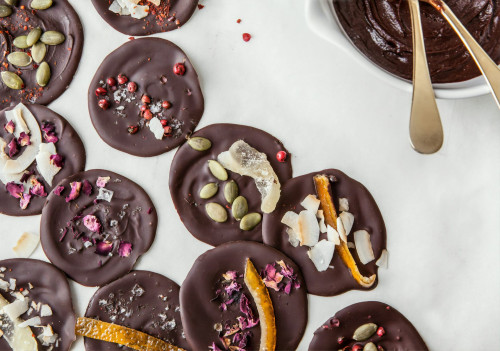
- Finish smooth: For dessert or cheese, a round, mellow cocktail with coffee, chocolate, or spice notes can be ideal.
If you like to experiment, try using ingredients from your dishes—herbs, fruit, or spices—in your drinks. It creates a natural harmony between what’s on your plate and in your glass.
When You’re Skipping the Alcohol
Pairing drinks with food doesn’t have to involve alcohol. Today, there’s a wide range of nonalcoholic options that offer the same sense of balance and flavor.
- Nonalcoholic spirits let you craft classic-style cocktails without the buzz.
- Kombucha or sparkling teas bring freshness and complexity similar to wine.
- Homemade mocktails with citrus, herbs, and a touch of bitterness can be just as elegant and satisfying.
The key is to choose something that feels intentional—not a substitute, but a real part of the meal.
Læs også:
Choose with Curiosity—Not Prestige
Spirits and drinks come with plenty of tradition, but you don’t need to know every rule to enjoy them. What matters most is curiosity and a willingness to taste. Try something new, ask for recommendations at your local store, or host a small tasting at home. You don’t need expensive bottles to have a great experience—often, the simplest choices pair best with everyday meals.
When you choose your drinks without snobbery, the meal feels more relaxed—and the flavors more genuine. In the end, that’s what truly makes the difference.
Læs også: