Fusion Tapas: When the World’s Cuisines Meet on Small Plates


Fusion Tapas: When the World’s Cuisines Meet on Small Plates
Small plates, big flavors – that’s the essence of tapas. But in recent years, tapas have taken on a new life in the hands of inventive chefs who mix ingredients, techniques, and traditions from across the globe. The result is fusion tapas: a culinary playground where Japanese meets Mexican, Southern meets Mediterranean, and every bite tells a story.
What Is Fusion Tapas?
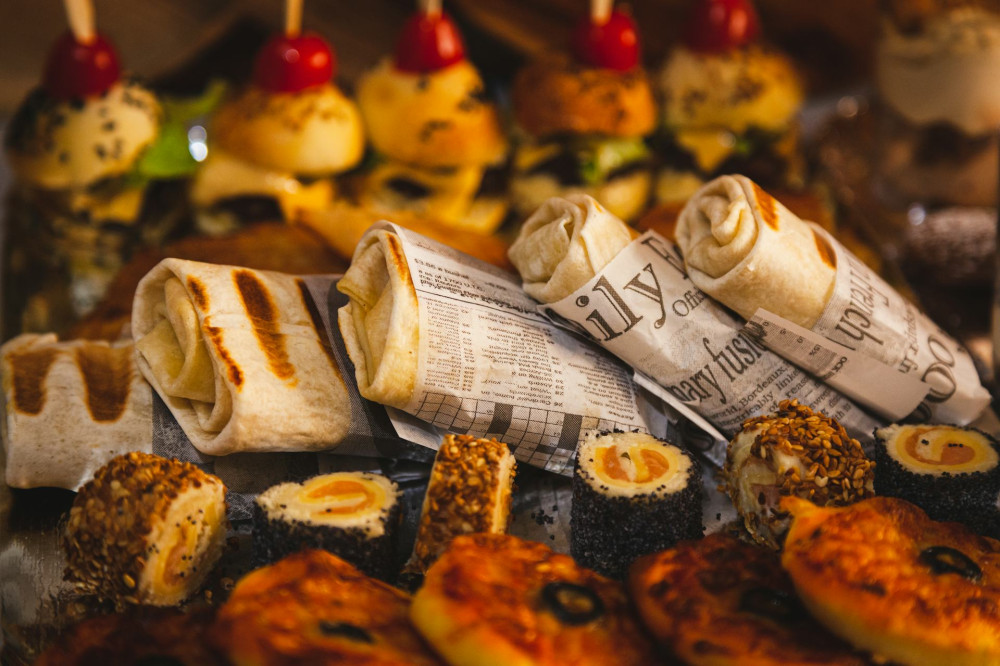
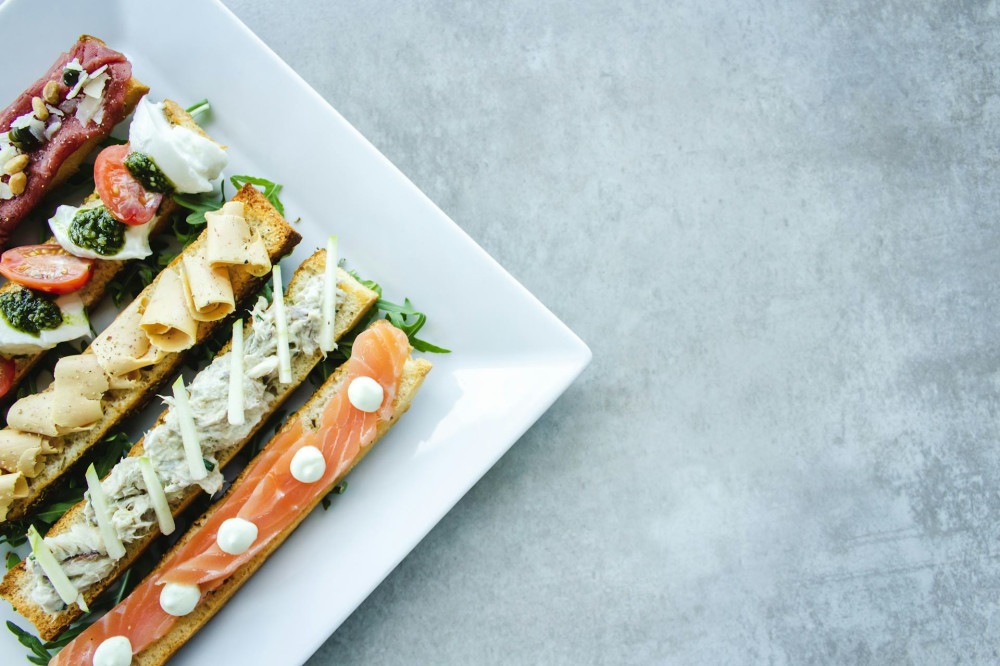
Fusion tapas reimagine the classic Spanish tapas tradition through a global lens. Instead of sticking to olives, manchego, and chorizo, chefs draw inspiration from every corner of the world. Think Korean bulgogi tacos, Peruvian ceviche with a Southern twist, or bao buns filled with smoky barbecue pulled pork.
The idea is simple: small portions that let you taste your way through a world of flavors in one sitting. It’s about curiosity, variety, and the joy of traveling the globe—without leaving your table.
Læs også:
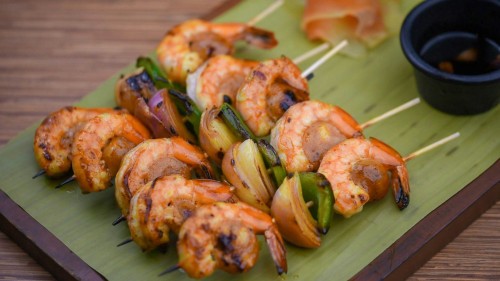
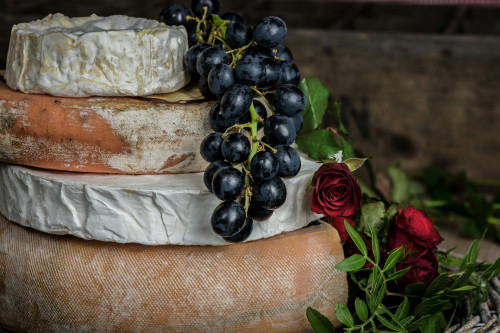
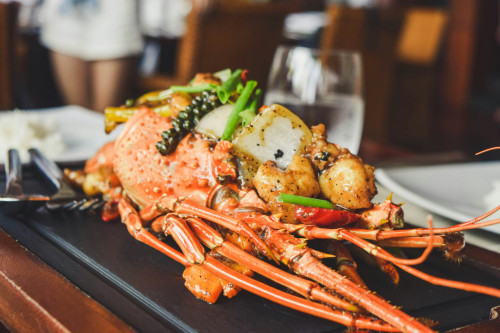
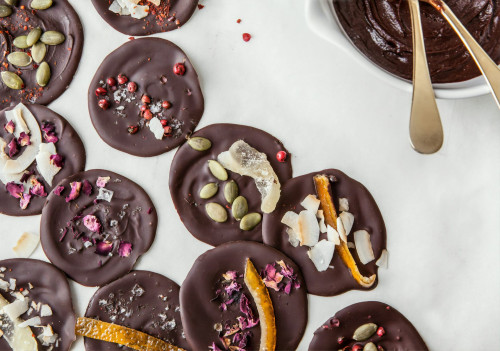
A Trend Born from Global Connection
The blending of world cuisines isn’t new, but it’s never been more accessible. As Americans travel more, stream international cooking shows, and find exotic ingredients at local markets, our palates have become more adventurous.
Fusion tapas fit perfectly into today’s dining culture: casual, social, and experimental. They invite sharing, conversation, and surprise—and they break the old rule that you have to stick to one cuisine per meal.
How to Create Your Own Fusion Tapas
You don’t need to be a professional chef to experiment with fusion tapas at home. The key is balance and contrast—sweet and salty, crunchy and soft, hot and cold. Here are a few ideas to get you started:
- Southern meets Asia: Fried chicken bites with kimchi slaw and sesame mayo.
- Mediterranean meets Latin America: Hummus topped with roasted peppers and crispy plantain chips.
- Japan meets the South: Sushi rice balls with smoked salmon, dill, and a hint of bourbon glaze.
- Middle East meets California: Mini pita tacos with avocado, spiced lamb, and pomegranate seeds.
Use small plates, bowls, or even tasting spoons for serving—presentation is part of the fun.
Ingredients and Techniques in Play
Fusion tapas aren’t just about mixing flavors; they’re about blending techniques. Try using Korean fermentation, Peruvian ceviche-style marination, or Southern-style smoking. The key is to respect each method while finding creative ways to combine them.
Because each dish is small, ingredient quality matters. Freshness and precision are essential—there’s no room for mediocrity when every bite counts.
Tapas as a Social Experience
One of the greatest strengths of tapas—fusion or traditional—is their social nature. They’re meant to be shared, tasted, and talked about. Instead of a three-course dinner, serve six to eight small plates that guests can sample at their own pace.
It creates a relaxed, communal atmosphere where food becomes part of the conversation, and everyone can contribute their own favorite dish.
When Creativity Meets Respect
While fusion tapas encourage experimentation, they also call for respect toward the cuisines you’re drawing from. Great fusion happens when you understand the flavor principles behind each tradition—not when you mix for the sake of novelty.
The goal is harmony, not chaos. When done right, a single small plate can hold both history and innovation, tradition and personality.
A New Way to Taste the World
Fusion tapas are more than a food trend—they’re a reflection of how we live today. We’re connected across borders, and our kitchens mirror that openness.
On small plates, we can taste the world, challenge our habits, and discover new combinations that surprise and delight. It’s global connection at its most delicious—served one bite at a time.
Læs også: