Pasta and Sauce in Harmony – The Art of Uniting Texture and Flavor

Pasta and Sauce in Harmony – The Art of Uniting Texture and Flavor
Few culinary pairings are as simple—and yet as refined—as pasta and sauce. Behind that apparent simplicity lies a world of texture, shape, and flavor. Achieving true harmony isn’t just about cooking pasta al dente or choosing a delicious sauce. It’s about understanding how the two interact—like instruments in a perfectly tuned orchestra.
Shape Matters
Pasta shapes aren’t random; they’re designed to complement specific types of sauce. A light tomato or olive oil–based sauce clings beautifully to long, thin strands like spaghetti or linguine. A creamy Alfredo or hearty meat sauce, on the other hand, calls for a pasta with more surface area—think fettuccine, rigatoni, or pappardelle—that can hold onto the sauce.
As a general rule:
- Thin, long pastas (spaghetti, linguine) pair best with light, oil- or tomato-based sauces.
- Wider ribbons (fettuccine, pappardelle) suit rich, creamy, or meaty sauces.
- Tubes and shells (penne, rigatoni, conchiglie) capture bits of vegetables, meat, or beans.
- Stuffed pastas (ravioli, tortellini) shine with simple butter or sage sauces that let the filling take center stage.
Choosing the right shape isn’t just about looks—it’s about how flavor and texture come together in every bite.
Sauces with Character
A great sauce balances richness, acidity, and depth. Tomatoes bring brightness, cream and cheese add roundness, and herbs or spices provide aroma. The key is balance—no single element should dominate.
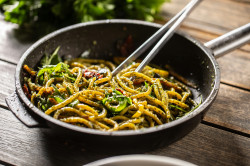
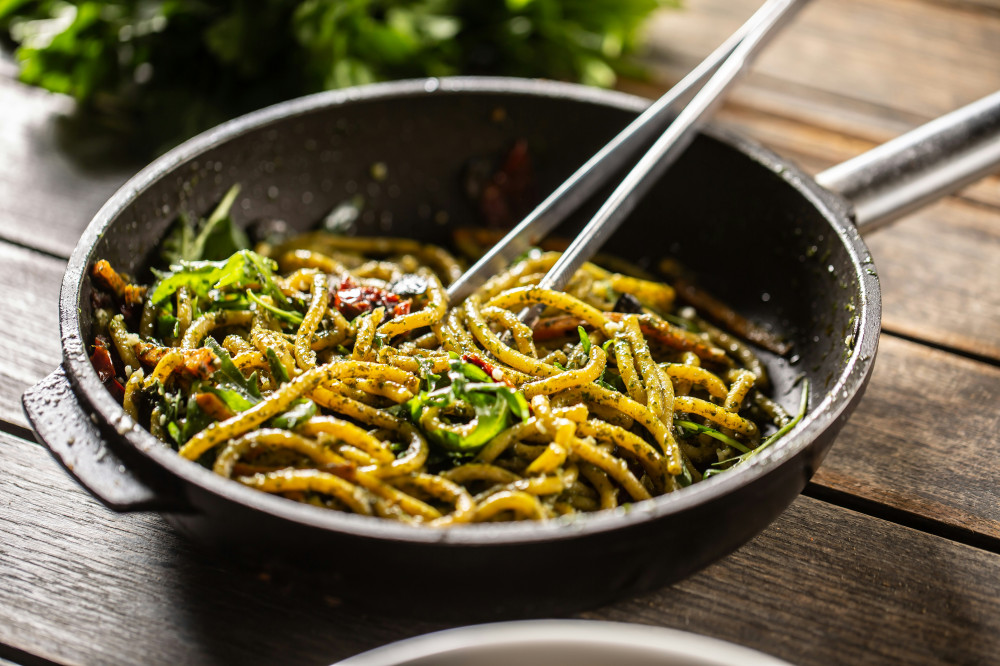
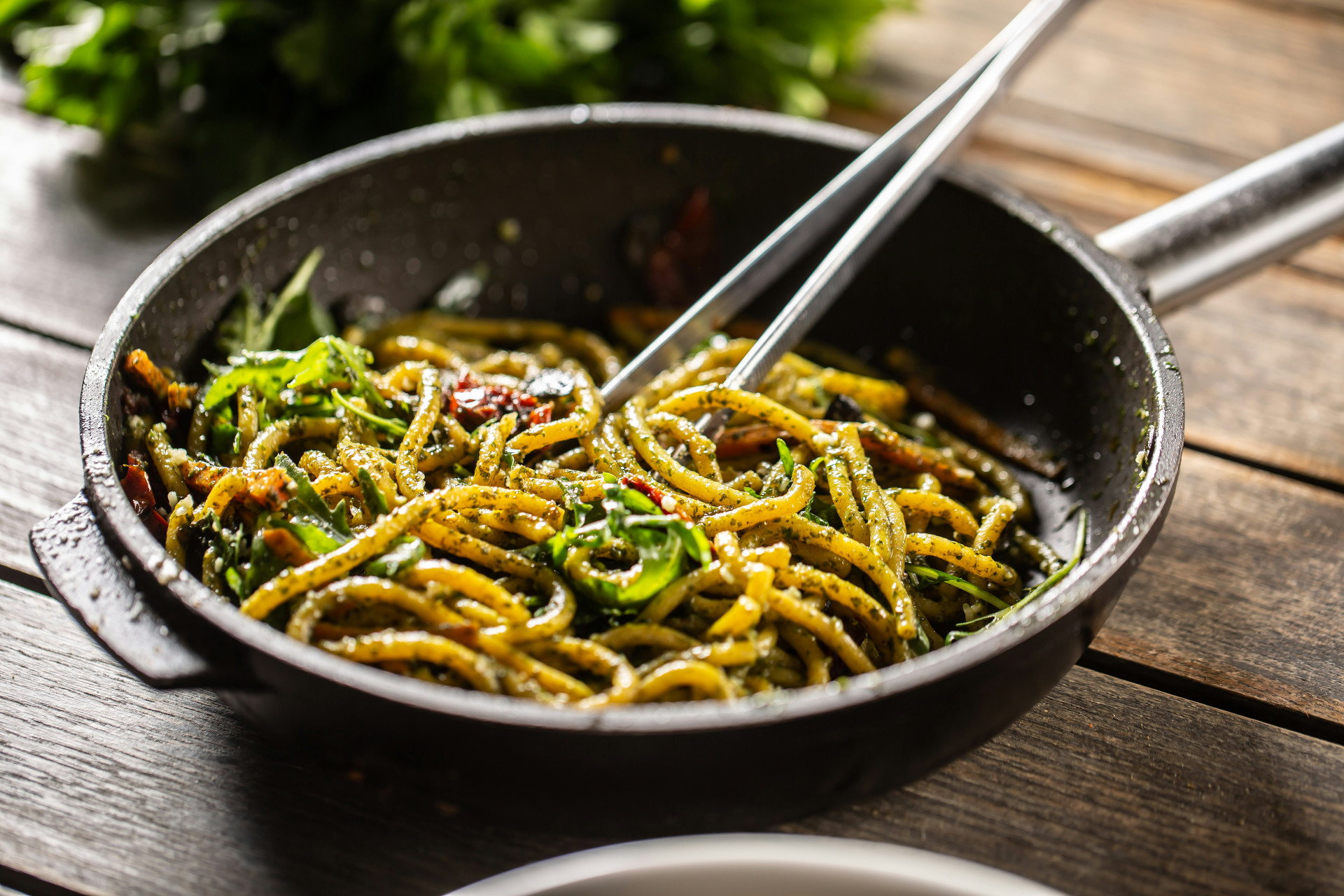
One of the best techniques is to let the pasta and sauce meet in the pan before serving. Tossing the pasta with the sauce and a splash of the starchy cooking water helps the sauce cling better and creates a silky texture. This is where the magic happens—when pasta and sauce become one.
The Role of Texture
Texture often separates a good pasta dish from a great one. Pasta should be cooked al dente—firm to the bite—so it contrasts with the softness of the sauce. The sauce itself should coat the pasta, not drown it.
Contrast adds excitement. A sprinkle of toasted breadcrumbs, crushed nuts, or lemon zest can bring a welcome crunch and freshness, balancing the smoothness of the sauce.
Layers of Flavor
The best pasta dishes are built in layers. Start with a solid base—olive oil, onion, garlic—and let the flavors develop slowly. Add your main ingredient, whether it’s tomato, mushrooms, meat, or vegetables. Finish with brightness: fresh herbs, a squeeze of lemon, or a dusting of Parmesan.
Small details make a big difference. A splash of wine or vinegar can lift a heavy sauce, while a pat of butter at the end adds gloss and richness. It’s all about balance, not excess.
Læs også:
When Pasta Becomes an Experience
Creating harmony between pasta and sauce is both a craft and a sensory experience. The aroma of garlic sizzling in oil, the sound of pasta being tossed in the pan, the sight of a sauce perfectly coating each strand—these are the moments that turn cooking into art.
Next time you’re in the kitchen, think of pasta and sauce as partners. Neither should overpower the other. Together, they create a whole greater than the sum of its parts—a true union of texture and flavor.
Læs også: