The Perfect Cup of Coffee – At Home Without Barista Gear

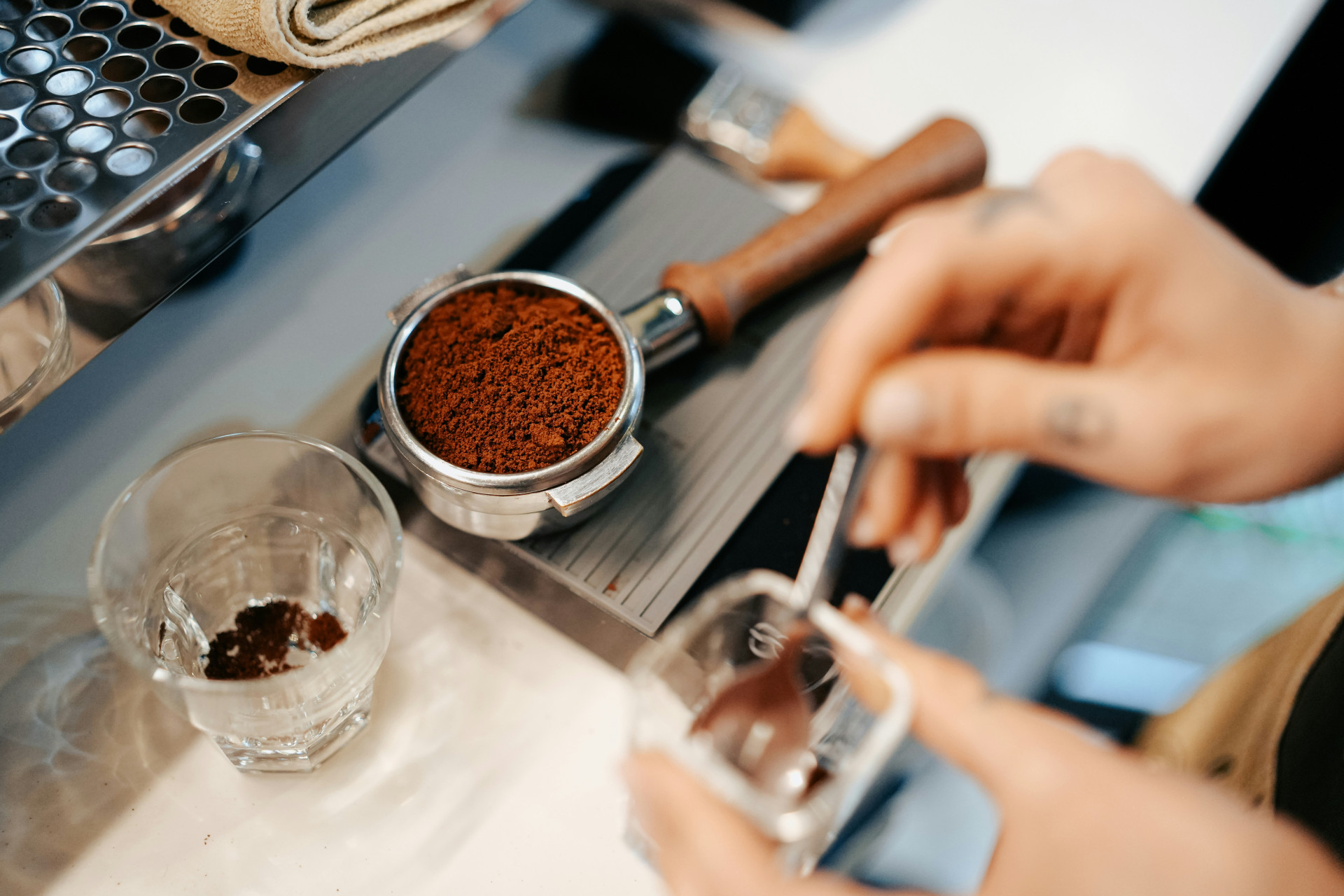
Brew café-quality coffee in your own kitchen with simple tools and smart techniques
Beverages
Beverages
6 min
Discover how to make the perfect cup of coffee at home—no expensive machines or barista skills required. Learn the essentials of beans, water, and brewing methods to elevate your daily coffee ritual.
Journey Reed
Journey
Reed

The Perfect Cup of Coffee – At Home Without Barista Gear

Brew café-quality coffee in your own kitchen with simple tools and smart techniques
Beverages
Beverages
6 min
Discover how to make the perfect cup of coffee at home—no expensive machines or barista skills required. Learn the essentials of beans, water, and brewing methods to elevate your daily coffee ritual.
Journey Reed
Journey
Reed

A great cup of coffee doesn’t require a fancy espresso machine, a high-end grinder, or a barista certification. With a little know-how about beans, water, and brewing, you can make café-quality coffee right in your own kitchen. Here’s how to get the most out of your coffee using simple, everyday tools.

Choose the Right Beans

Good coffee starts with good beans. Freshly roasted beans deliver far more aroma and flavor than those that have been sitting on a shelf for months. Look for a roast date rather than a “best by” date — the fresher, the better.

  • Arabica beans offer a smooth, aromatic cup with gentle acidity.
  • Robusta beans are stronger, more bitter, and higher in caffeine — great if you like a bold brew.
  • Medium roast is a safe bet for most tastes and works well for both drip and French press methods.

Store your beans in an airtight container, away from light and heat. Avoid the fridge — moisture can ruin the flavor.

Grind It Yourself – If You Can

If you have a basic coffee grinder, that’s one of the best investments you can make. Freshly ground beans release far more aroma than pre-ground coffee. The grind size depends on your brewing method:

  • Coarse grind for French press.
  • Medium grind for drip coffee makers or pour-over.
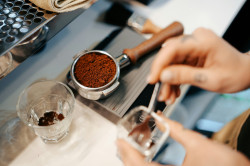
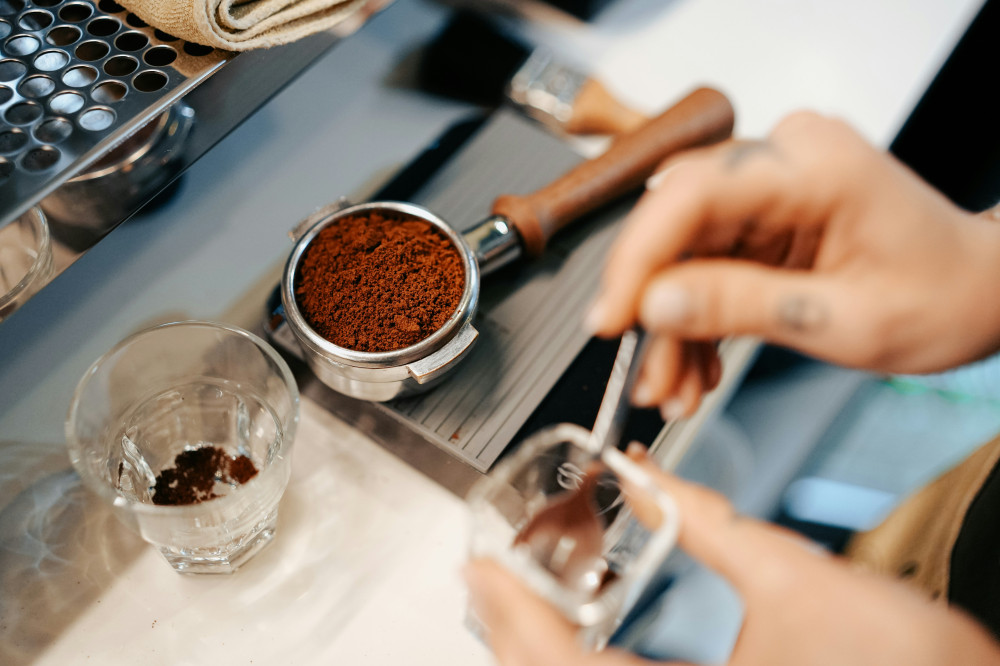
  • Fine grind for moka pots or espresso-style brewing.

No grinder? Buy small amounts of pre-ground coffee and use them quickly — ideally within a couple of weeks.

Water – The Unsung Ingredient

Coffee is more than 98% water, so the quality of your water matters. Use cold, fresh tap water. If your tap water tastes heavily of chlorine or minerals, filtered water can make a noticeable difference.

The ideal brewing temperature is between 195°F and 205°F. Boil the water, then let it sit for about 30 seconds before pouring. Water that’s too hot can make coffee taste bitter, while too cool water can make it taste flat or sour.

Brew Without Fancy Equipment

You don’t need a $1,000 espresso machine to make great coffee. Here are three simple methods that require minimal gear:

French Press

A classic that highlights the coffee’s body and richness. Use coarsely ground beans and about 2 tablespoons of coffee per 6 ounces of water. Pour in the hot water, stir, and let it steep for four minutes before pressing the plunger down slowly.

Pour-Over

With a simple cone dripper and paper filter, you can control the brewing process precisely. Pour the water in slow, circular motions to evenly saturate the grounds. This method produces a clean, balanced cup.

Moka Pot

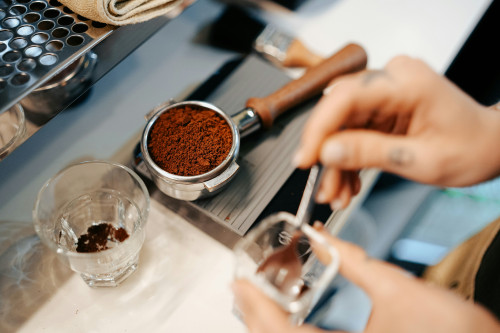
This small stovetop brewer makes a strong, espresso-like coffee. Fill the bottom chamber with water, the filter basket with finely ground coffee (without packing it down), and heat gently until the coffee starts to rise.

Adjust to Your Taste

Taste is personal, and small tweaks can make a big difference. If your coffee tastes bitter, try a coarser grind or slightly cooler water. If it’s too sour, grind finer or use a bit more coffee.

A good starting point is 1 to 2 tablespoons of coffee per 6 ounces of water, but experiment until you find your perfect balance.

Make It an Experience

A great cup of coffee is about more than flavor — it’s about the moment. Take a few minutes to enjoy the aroma, the warmth, and the calm. Serve your coffee in a preheated mug and drink it while it’s fresh — the best flavors fade quickly.

Want to elevate it a bit? Froth some milk with a small whisk or handheld frother for a creamy topping that feels like a café treat — no expensive machine required.

The Perfect Cup Is the One You Love

There’s no single recipe for the perfect coffee — only the one that suits your taste. With good beans, fresh water, and a little attention, you can brew a cup that tastes like care and comfort. And maybe that’s what makes homemade coffee the best of all.

How to make healthy and delicious meals in less than 30 minutes
This e-book offers quick recipes and easy methods for creating healthy meals, even when time is tight. Learn about ingredients that can make cooking both healthy and tasty without compromising on quality.
Get the guide
Energy Drinks with Care: Choose the One That’s Right for You
Understand what’s inside your energy drink and how to make a smarter, safer choice
Beverages
Beverages
Energy Drinks
Health
Nutrition
Caffeine
Lifestyle
4 min
Energy drinks can offer a quick boost, but not every can on the shelf is right for you. Learn what ingredients to look for, how to manage caffeine and sugar intake, and when it makes sense to reach for an energy drink — or skip it altogether.
Adrian Robinson
Adrian
Robinson
The Perfect Cup of Coffee – At Home Without Barista Gear
Brew café-quality coffee in your own kitchen with simple tools and smart techniques
Beverages
Beverages
Coffee
Home Brewing
Kitchen Tips
DIY
Lifestyle
6 min
Discover how to make the perfect cup of coffee at home—no expensive machines or barista skills required. Learn the essentials of beans, water, and brewing methods to elevate your daily coffee ritual.
Journey Reed
Journey
Reed
How to Plan Drinks for Dinner So Flavor and Atmosphere Come Together Perfectly
Elevate your dinner experience with perfectly paired drinks that enhance both taste and atmosphere
Beverages
Beverages
Food Pairing
Dinner Party
Drinks
Entertaining
Wine and Cocktails
2 min
Discover how to plan the ideal drink menu for your dinner — from appetizers to dessert. Learn how to match wines, cocktails, and nonalcoholic options to your dishes and create a cohesive mood that delights every guest.
David Martínez
David
Martínez
The Journey of Wine Through Time and Cultures
Discover how wine has shaped civilizations, traditions, and tastes across millennia
Beverages
Beverages
Wine History
Culture
Civilization
Heritage
Gastronomy
3 min
From ancient vineyards to modern wineries, the story of wine is a reflection of human creativity, trade, and culture. Explore how this timeless drink has evolved through history, connecting people and places around the world.
Elias Bell
Elias
Bell
Still or Sparkling? How to Choose the Right Water for the Occasion
Discover how to pick the perfect water to match your mood, meal, or moment
Beverages
Beverages
Water
Lifestyle
Health
Beverage
Sustainability
7 min
Whether you prefer the calm of still water or the sparkle of bubbles, choosing the right type can elevate any occasion. Learn what sets still, sparkling, and flavored waters apart—and how to make the best choice for taste, health, and sustainability.
Sage Hunter
Sage
Hunter
One Dish, Many Flavors: How to Please the Whole Family
Discover simple ways to cook one meal that satisfies every taste at the table
Eat
Eat
Family Cooking
Meal Planning
Easy Recipes
Home Cooking
Dinner Ideas
6 min
Tired of juggling different dishes for picky eaters and spice lovers alike? Learn how to create flexible, family-friendly meals that let everyone customize their plate — and make dinnertime easier and more enjoyable for you.
Adrian Robinson
Adrian
Robinson
From Christmas to Midsummer: The Holidays That Shaped Our Food Traditions
Discover how America’s favorite holidays have shaped the way we cook, eat, and celebrate together
Eat
Eat
Food Traditions
Holidays
American Culture
Seasonal Cooking
Celebration
4 min
From Christmas feasts to Midsummer gatherings, our holiday tables tell the story of a nation’s evolving tastes and traditions. Explore how each celebration—from winter comfort foods to summer barbecues—reflects history, culture, and community spirit.
Journey Reed
Journey
Reed
Time, Heat, and Cold: How to Influence the Flavor and Texture of Ingredients
Master the art of cooking by understanding how time, heat, and cold shape every ingredient
Eat
Eat
Cooking Techniques
Food Science
Culinary Skills
Flavor
Kitchen Tips
4 min
Discover how temperature and timing transform flavor, texture, and aroma in your dishes. Learn to use heat for depth, cold for freshness, and time for balance — and take your cooking skills to a new level.
David Martínez
David
Martínez
Health Without Rules – Eat a Variety and Enjoy Your Food
Discover a balanced approach to eating that celebrates variety, pleasure, and well-being
Eat
Eat
Healthy Eating
Mindful Living
Nutrition
Wellness
Lifestyle
6 min
Step away from strict diet rules and rediscover the joy of eating. This article explores how embracing variety, listening to your body, and enjoying your meals can lead to a healthier, more sustainable relationship with food.
Elias Bell
Elias
Bell