The Journey of Wine Through Time and Cultures

The Journey of Wine Through Time and Cultures
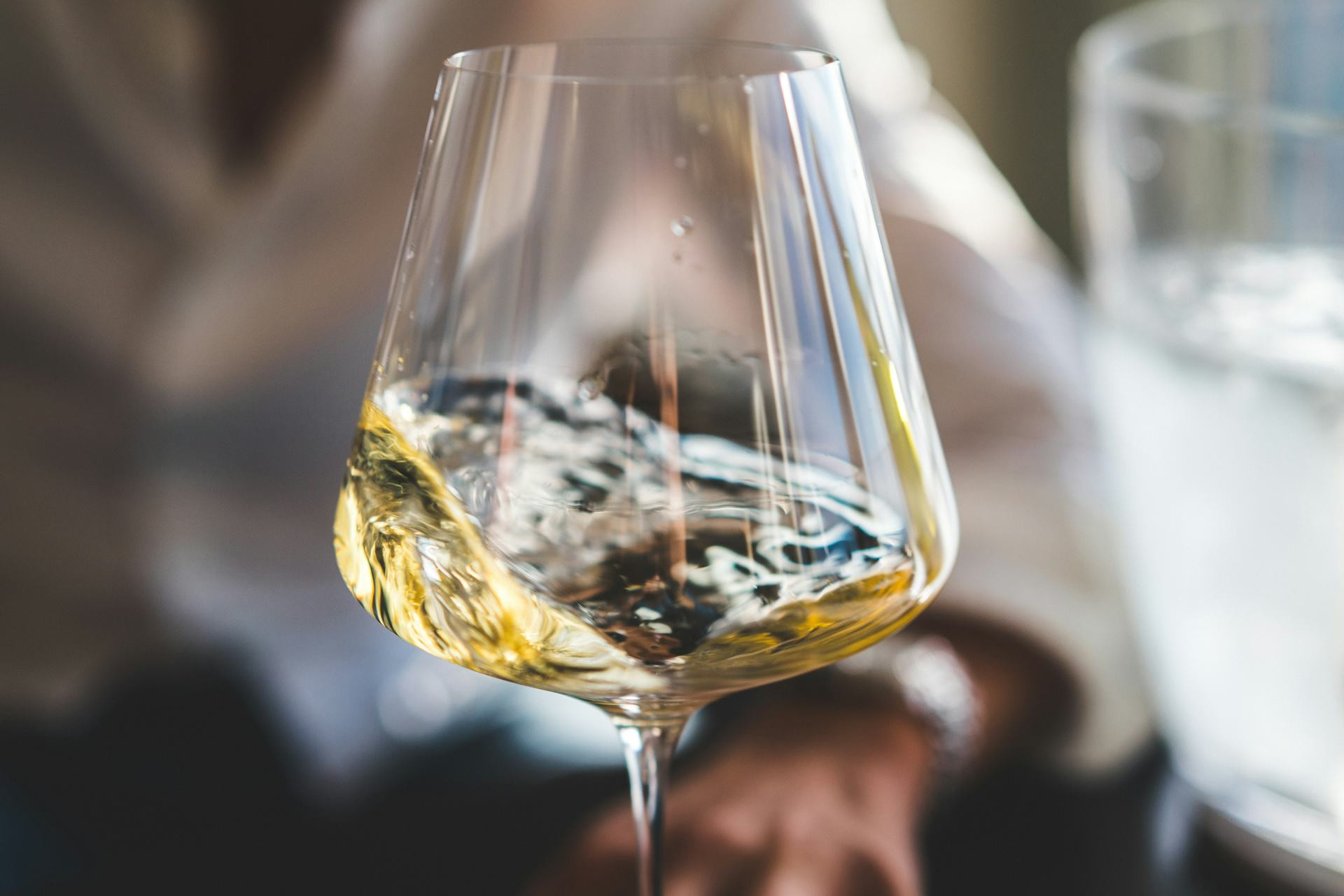
For thousands of years, wine has been more than just a beverage—it has been a symbol of community, culture, and identity. From ancient rituals to modern vineyards and tasting rooms, the story of wine is deeply intertwined with human history. But where did it all begin, and how has wine’s role evolved across time and civilizations?
From Wild Grapes to the Birth of Civilization
The earliest evidence of winemaking dates back about 8,000 years to the regions around the Caucasus Mountains and Mesopotamia. Early humans discovered, perhaps by accident, that the juice of wild grapes could ferment into a drink that not only tasted pleasant but also lasted longer than fresh fruit.
Wine quickly became part of religious ceremonies and social gatherings. In ancient Egypt, it was offered to the gods, while in Greece it became a symbol of culture and philosophy. The Greek god Dionysus embodied both the joy and chaos of life—an ambivalence that still colors wine’s symbolism today.
The Romans and the Spread of Wine Across Europe
It was the Romans who truly made wine a part of everyday life in Europe. They planted vineyards throughout their empire—from Italy to France, Spain, and Germany—and refined techniques for cultivation, pressing, and storage that still influence modern winemaking.
For the Romans, wine was not just a luxury but a staple. Soldiers received wine as part of their rations, often diluted with water. At the same time, wine became a major trade commodity, linking distant provinces and fueling economic growth across the empire.
Læs også:
The Middle Ages: Monks and Mastery
After the fall of Rome, it was the monasteries that kept the art of winemaking alive. Monks in France, Germany, and Italy cultivated vineyards both for religious use and as a source of income. They experimented with grape varieties, soil, and climate—laying the foundation for the great wine regions we know today.
During this period, wine also became a marker of social status. Nobles and clergy enjoyed the finest vintages, while common people drank simpler, local wines. Yet wine remained an essential part of daily life, especially in places where clean water was scarce.
The New World and the Globalization of Wine
With European exploration in the 16th and 17th centuries, grapevines traveled to the Americas, South Africa, and Australia. Missionaries and settlers planted vineyards wherever the climate allowed, and each region developed its own style, shaped by local conditions and traditions.
In the 19th century, the wine world faced a devastating crisis: the phylloxera pest destroyed vast stretches of European vineyards. The solution came from America, where resistant rootstocks were used to save European grape varieties. This transatlantic rescue reshaped the global wine industry and ushered in a new era of scientific viticulture.
Wine in America: From Frontier to Fine Art
In the United States, wine’s story is one of resilience and reinvention. Early settlers in Virginia and California experimented with local grapes, but it was in the 20th century that American wine truly came into its own. The 1976 “Judgment of Paris,” where California wines triumphed over French classics, marked a turning point—proving that world-class wine could come from the New World.
Today, regions like Napa Valley, Sonoma, and Oregon’s Willamette Valley are synonymous with quality and innovation. American winemakers blend tradition with experimentation, producing wines that reflect both the land and the pioneering spirit of their creators.
Modern Wine: Tradition Meets Innovation
Today, wine is produced on every continent except Antarctica. Technology allows winemakers to control fermentation, temperature, and aging with precision, while many are also returning to more natural, sustainable methods.
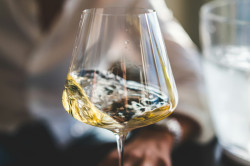
Organic, biodynamic, and low-intervention wines are gaining popularity, reflecting a growing respect for nature and craftsmanship. At the same time, wine has evolved from a daily staple to an experience—something to savor, discuss, and share.
Wine as Heritage and Connection
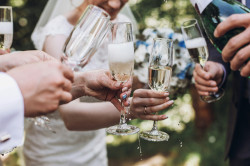
Wherever it is poured, wine brings people together. It marks celebrations, accompanies meals, and invites conversation. Each bottle tells a story—of soil and climate, of human hands and cultural heritage.
The journey of wine through time and cultures is, in many ways, the story of humanity itself: our creativity, our desire to connect, and our enduring appreciation for life’s simple pleasures.
Læs også: