Technology in Takeout: How Digitalization Enhances the Customer Experience

Technology in Takeout: How Digitalization Enhances the Customer Experience
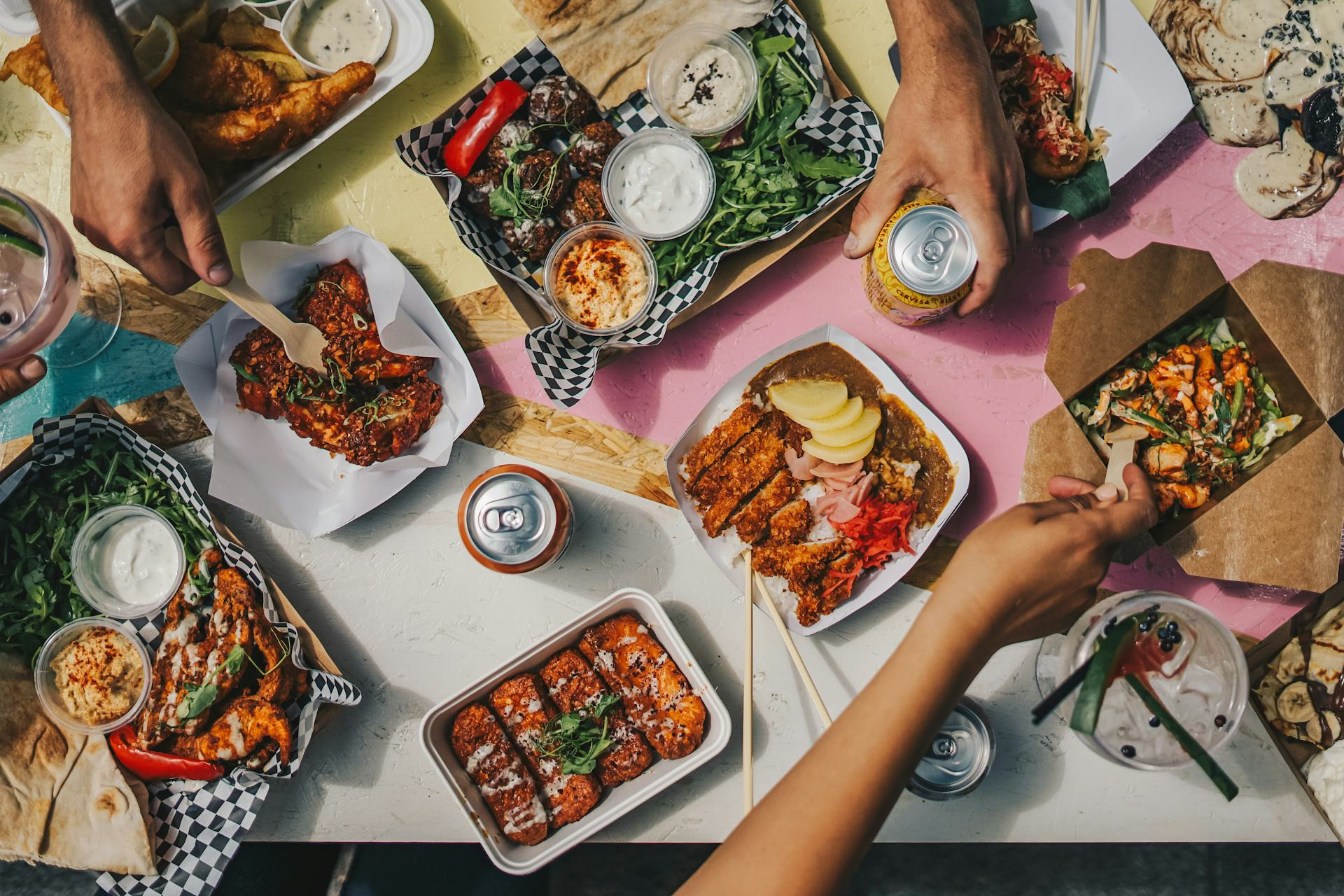
The takeout industry in the United States has transformed dramatically over the past decade. What once required a phone call to a local restaurant can now be done with a few taps on a smartphone. Digitalization hasn’t just made ordering easier—it has reshaped the entire customer experience. From personalized recommendations to real-time delivery tracking and sustainable packaging options, technology is redefining how Americans order, receive, and enjoy their favorite meals.
Ordering Made Simple—and Error-Free
One of the biggest improvements brought by digitalization is the simplicity of the ordering process. Online platforms and mobile apps allow customers to browse menus, view photos, and compare prices all in one place. This reduces the risk of miscommunication that often occurred with phone orders and gives customers full control over their selections.
Many apps also remember previous orders, making it easy to reorder favorites with a single click. This convenience creates a sense of personalized service—even when the interaction happens entirely online.
Data That Personalizes the Experience
Behind every user-friendly app lies a powerful data engine. Restaurants and delivery platforms use analytics to understand customer preferences and habits. By examining past orders, time of day, and location, these systems can suggest dishes that match individual tastes.
For customers, this feels like a thoughtful touch when the app recommends “your usual” or reminds you to add that extra side of fries. For restaurants, it means stronger customer loyalty and higher satisfaction rates.
Real-Time Delivery and Greater Transparency
Technology has also revolutionized the delivery experience. GPS tracking allows customers to follow their order in real time—from the kitchen to their doorstep. This transparency reduces uncertainty and frustration, as customers always know where their food is and when it will arrive.
Digital platforms have also made feedback easier and more immediate. Customers can rate their meals and delivery experiences directly in the app, giving restaurants valuable insights into what’s working and what needs improvement.
Læs også:
Automation Behind the Scenes
Digitalization doesn’t just enhance the customer-facing side of takeout—it’s transforming operations behind the counter as well. Many restaurants now use integrated order management systems that send online orders directly to the kitchen. This minimizes errors and speeds up preparation times.
Some U.S. chains are even experimenting with robotics and automated kitchen systems to handle repetitive tasks like frying, packaging, or portioning. This allows staff to focus more on quality control and customer service, improving both efficiency and consistency.
Sustainability Through Smart Technology
Technology is also helping make takeout more sustainable. Many apps now highlight restaurants that use eco-friendly packaging or allow customers to opt out of single-use utensils. Some platforms even offer carbon offset options for deliveries.
For restaurants, digital inventory and order management systems help reduce food waste by predicting busy periods and adjusting supply accordingly. This not only benefits the environment but also improves profitability.
The Future of Takeout—Beyond the Meal
The role of technology in takeout is still evolving. Artificial intelligence, voice assistants, and smart home integrations are already entering the market. In the near future, you might be able to order your favorite meal simply by asking your smart speaker—and have it delivered right when you usually eat.
Digitalization has made takeout more convenient, transparent, and personalized than ever before. For customers, it means a smoother, more enjoyable experience. For restaurants, it offers new ways to build loyalty and streamline operations. In short, technology has turned takeout from a simple transaction into a connected, data-driven experience that’s here to stay.
Læs også: