Food Safety in Practice – Why It Matters to You

Food Safety in Practice – Why It Matters to You
When you shop for groceries, cook at home, or order takeout, you might not always think about how many steps your food goes through before it reaches your plate. But at any point in that chain, mistakes can happen—mistakes that can lead to foodborne illness. Food safety is about preventing that. It’s about making sure the food we eat is fresh, healthy, and free from harmful bacteria or contaminants. Here’s what food safety means in practice, and why it matters to you.
What Does Food Safety Mean?
Food safety covers all the measures and procedures that ensure food doesn’t pose a risk to our health. It involves hygiene, temperature control, traceability, and proper handling—from the farm and processing plant to the grocery store, restaurant, and your own kitchen.
In the United States, food safety is regulated by agencies such as the Food and Drug Administration (FDA) and the U.S. Department of Agriculture (USDA). Even with strong systems in place, it takes constant attention. A single break in the cold chain, poor cleaning, or skipping handwashing can allow bacteria like Salmonella, E. coli, or Listeria to spread.
Læs også:
From Farm to Table – A Shared Responsibility
Food safety starts long before food reaches your home. Farmers must follow rules for animal welfare, pesticide use, and sanitation. Food producers and processors must handle raw materials carefully and maintain clean facilities. During transport and storage, temperature control is critical. Grocery stores and restaurants must follow strict hygiene standards and keep food at safe temperatures.
But the responsibility doesn’t end there. As a consumer, you play a key role too. Once food enters your kitchen, it’s up to you to keep it safe.
How to Keep Food Safe at Home
Many cases of foodborne illness happen in private homes, not just in restaurants. The good news is that a few simple habits can greatly reduce your risk:
- Keep raw and cooked foods separate – Use different cutting boards and utensils for meat, seafood, and produce.
- Wash your hands often – Before and after handling food, and especially after touching raw meat or eggs.
- Check temperatures – Cook foods to the recommended internal temperature, and keep your refrigerator at or below 40°F (4°C).
- Don’t leave food out too long – Perishable foods shouldn’t sit at room temperature for more than two hours (or one hour if it’s above 90°F).
- Pay attention to dates – “Use by” dates indicate safety, while “best by” dates refer to quality.
These small steps make a big difference—not only for your health but also for reducing food waste.
Takeout and Ready-to-Eat Meals – What to Watch For
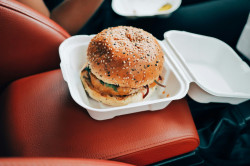
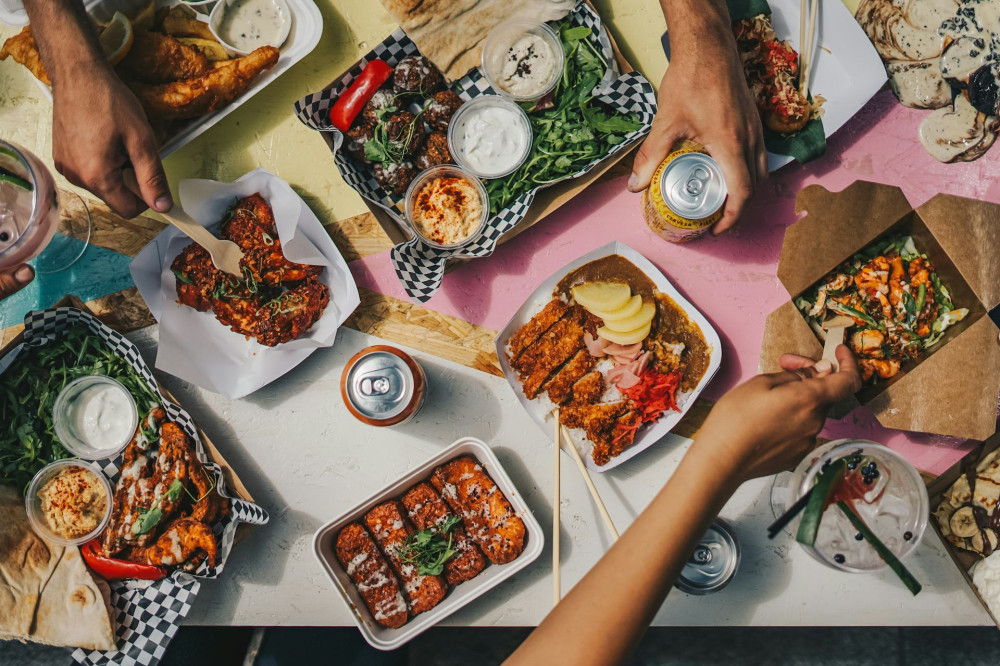
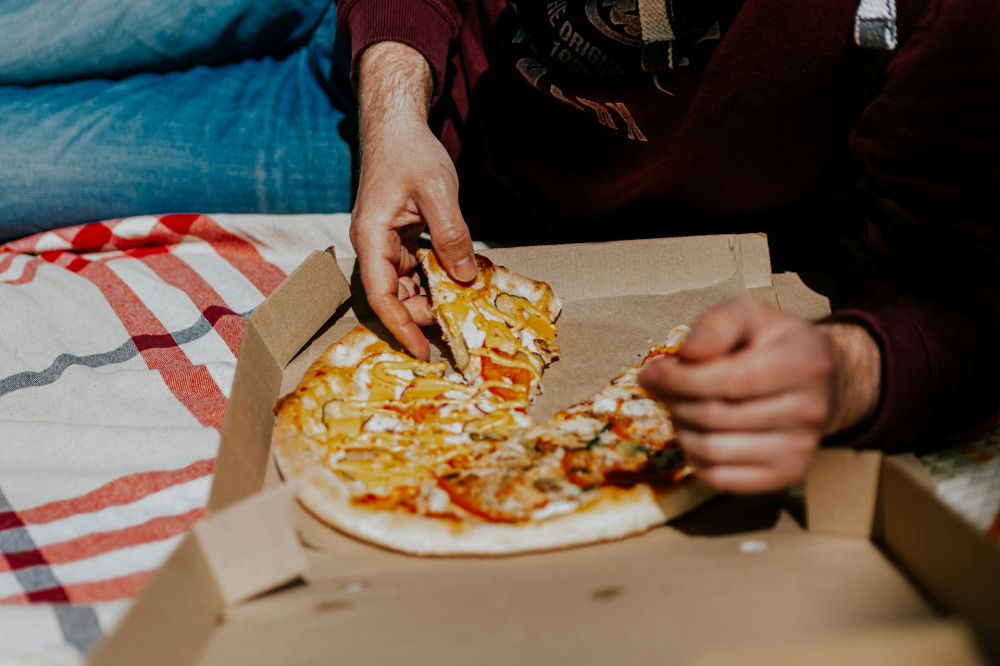
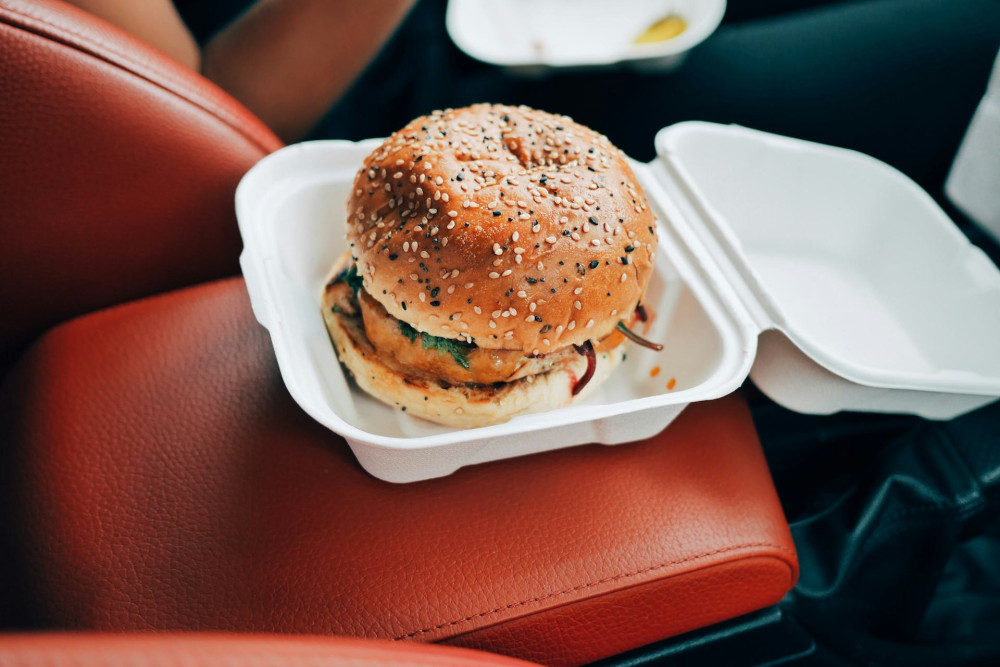
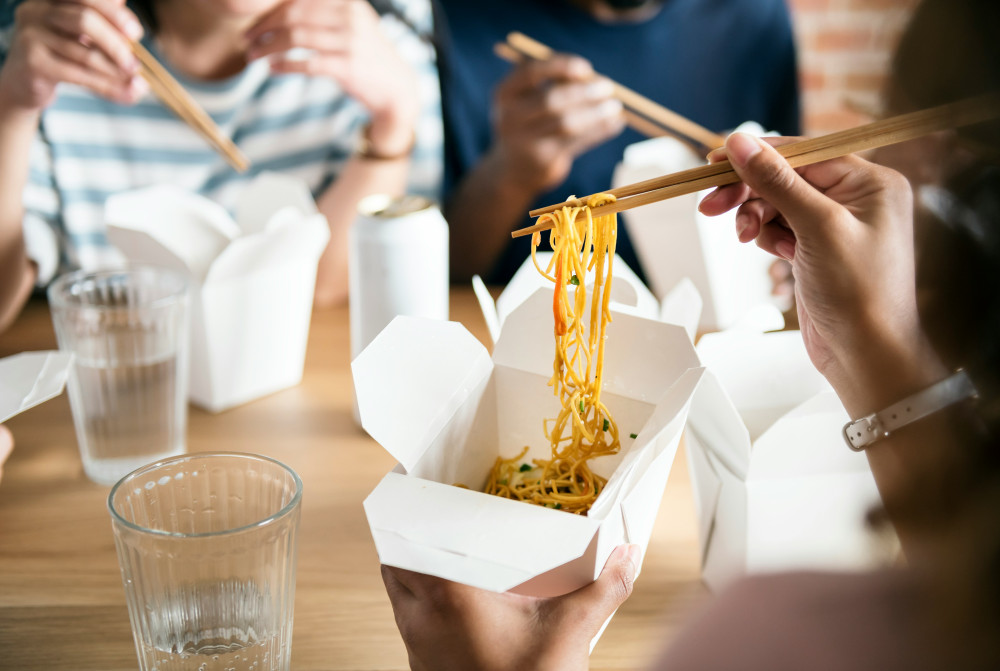
When you order takeout or delivery, you’re trusting someone else with part of the food safety process. Choose restaurants that follow good hygiene practices and have positive health inspection results. Many local health departments post inspection scores online.
When your food arrives, check that it’s still at the right temperature—hot foods should be hot, and cold foods should be cold. If you’re not eating right away, refrigerate leftovers promptly and eat them within a few days.
Why It Matters to You
Food safety isn’t just about avoiding an upset stomach. It’s about trust—trust that the food you buy is produced responsibly and that the businesses you support care about your health. When everyone in the food chain takes responsibility, you can eat with confidence.
Food safety also connects to broader issues like sustainability and public health. Preventing foodborne illness reduces healthcare costs, and minimizing food waste helps protect the environment. Safe food benefits everyone.
Building a Culture of Safe Eating
The U.S. has one of the most advanced food safety systems in the world, but it only works when everyone does their part—from farmers and food companies to restaurants and consumers. By making small, mindful choices every day, you help keep the food supply safe and ensure that what’s on your plate is not only delicious but also safe to eat.
Læs også: