Presentations That Influence: Encourage Guests to Choose and Eat Mindfully


Presentations That Influence: Encourage Guests to Choose and Eat Mindfully
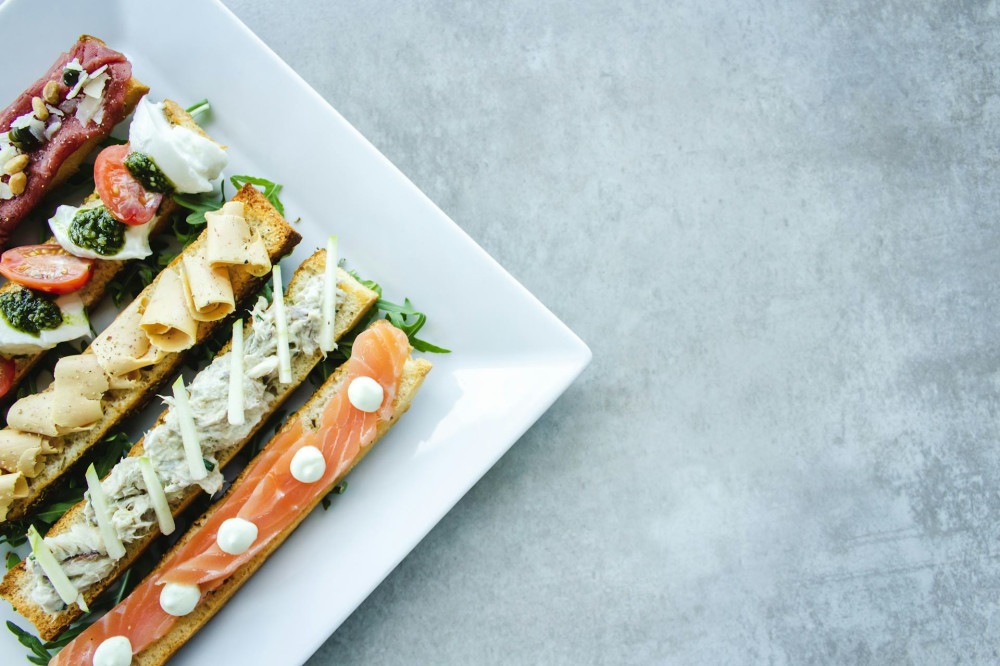
The way food is presented has a powerful impact on what people choose to eat. Colors, placement, lighting, and descriptions can all guide guests toward healthier, more sustainable, or more balanced choices—often without them even realizing it. For food service professionals, cafeterias, and restaurants, presentation is more than aesthetics; it’s a tool for promoting mindful eating. Here’s how small changes can make a big difference.
First Impressions Matter
When guests walk up to a buffet or browse a menu, they form an impression within seconds. That first impression can shape their choices.
- Place plant-forward dishes first – Studies show that what people see first often ends up on their plate.
- Use color and contrast – Vibrant vegetables and grains look more appealing when displayed in bowls or trays that highlight their natural hues.
- Make the better choice the easy choice – Clear labeling and short, engaging descriptions help guests understand what they’re choosing and why it’s a good option.
A simple sign like “Chef’s Seasonal Special” or “Fresh and Flavorful” can draw attention to dishes that are both delicious and balanced.
Læs også:



Language That Inspires Appetite
How food is described influences how it’s perceived. Words like “fresh,” “roasted,” “house-made,” or “seasonal” create positive expectations. The goal isn’t to exaggerate, but to communicate flavor and quality.
For example, “vegetable stew” sounds plain, while “hearty vegetable stew with spiced tomato broth and fresh herbs” sounds inviting. The same principle applies to salads, soups, and plant-based entrées—they should sound just as tempting as meat-based dishes.
Make the Healthy Choice the Easy Choice
Many guests want to eat well but end up choosing what’s most convenient. By designing your buffet or menu strategically, you can make mindful choices feel effortless.
- Feature vegetable dishes and whole grains in central, well-lit spots.
- Offer flexible portion sizes—smaller plates or customizable servings can reduce waste and encourage balance.
- Provide water, infused water, or vegetable-based beverages as natural alternatives to sugary drinks.
When the healthy choice feels like the natural choice, guests don’t need convincing—it just happens.
Tell a Story of Care
Guests respond positively when they sense thoughtfulness behind the food. A short story about local sourcing, partnerships with farmers, or efforts to reduce food waste adds meaning to the meal.
For instance, share that “today’s soup is made with surplus produce from nearby farms” or that “we use the whole fish—from tail to head—to minimize waste.” These small stories build trust and make the dining experience more memorable.
Small Changes, Big Impact
Encouraging mindful choices isn’t about limiting options—it’s about inspiring them. Often, just a few adjustments can make a noticeable difference:
- Move plant-forward dishes to the front of the line.
- Give them appetizing, descriptive names.
- Use signage that highlights flavor and quality.
- Share brief notes about your sustainable practices.
When presentation reflects care and intention, guests notice—and their choices follow.
A Meal That Leaves an Impression
Dining is about more than satisfying hunger; it’s about experience. When guests sense that thought has gone into flavor, presentation, and responsibility, the meal becomes more than food—it becomes a story they remember. That’s the power of presentation: it helps people choose with both appetite and awareness.
Læs også: