Meal Program with Purpose: How to Match Catering to Your Employees’ Rhythm


Meal Program with Purpose: How to Match Catering to Your Employees’ Rhythm
A great meal program is about more than just feeding people—it’s about well-being, energy, and connection. In many workplaces, lunch is the moment when teams come together, but not everyone eats or works the same way. Some employees need a quick bite between meetings, while others value a longer break to recharge and socialize. By aligning your catering program with the natural rhythm of your workplace, you can boost both productivity and morale.
Understand Your Company’s Rhythm
The first step is to understand how your employees’ days actually flow. Do most people take lunch at the same time, or do schedules vary? In a manufacturing facility, you might need multiple serving times to accommodate shifts. In an office environment, one main lunch period may be enough.
Map out the daily rhythm: when people eat, how long their breaks last, and how they use that time. This gives you a realistic picture of how food service can best support the workday. A flexible setup—where meals can be enjoyed in the cafeteria or taken to go—can make a big difference for employees with different routines.
Læs også:



Think in Terms of Energy and Variety
Food fuels focus and mood. A thoughtful meal program should provide steady energy without leaving people sluggish. It’s all about balance—between greens and proteins, between hearty dishes and lighter options.
- Morning: Fresh fruit, yogurt, or small snacks can help employees stay sharp before lunch.
- Lunch: Offer a mix of familiar favorites and new flavors. A buffet or customizable station with both hot and cold options gives everyone something they’ll enjoy.
- Afternoon: A small snack, smoothie, or protein bite can help prevent the mid-afternoon slump.
By thinking in rhythms rather than rigid menus, you can design a program that supports employees’ energy levels throughout the day.
Involve Your Employees
A meal program works best when it feels relevant and inclusive. Ask employees what they value—and what they’re missing. You can gather input through quick surveys, feedback sessions, or a digital suggestion board.
When employees feel heard, engagement rises. At the same time, your catering team gains valuable insight into what’s actually being eaten and enjoyed. You might discover that people prefer lighter meals in summer and heartier options in winter—small adjustments that can make a big impact.
Create Space for Connection
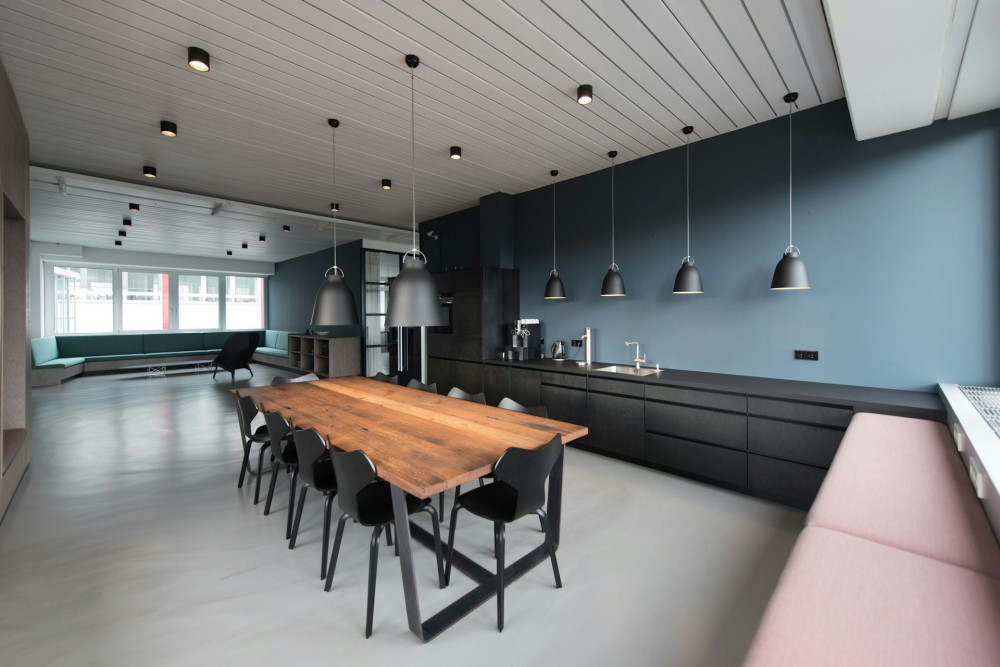
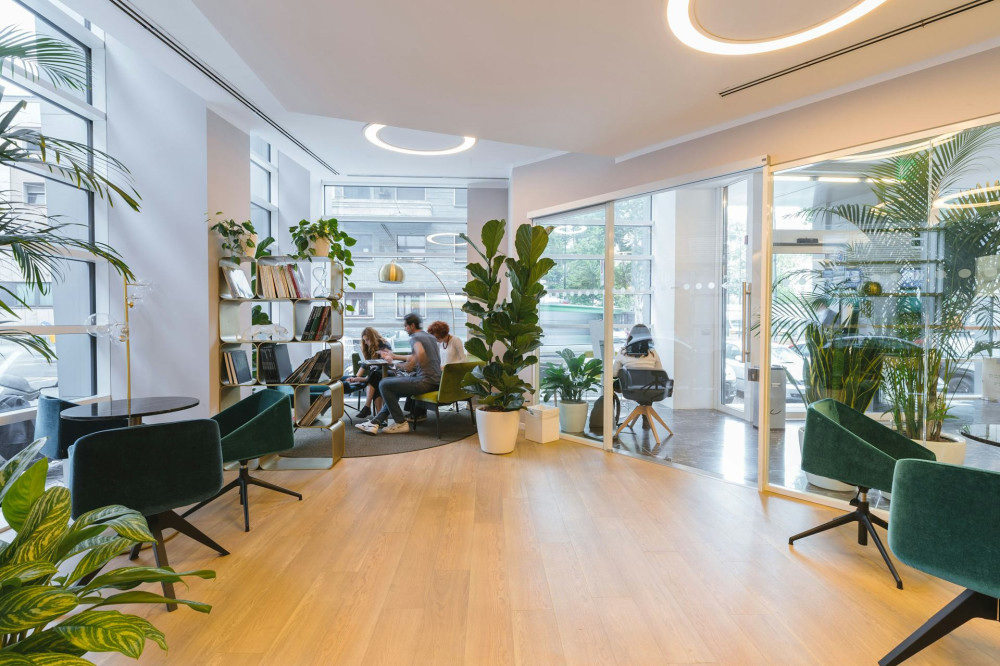
Lunch isn’t just a meal—it’s a social moment. A well-designed meal program can strengthen relationships across departments and levels. Consider how your dining area is set up: Is there space for both quiet breaks and lively conversation? Is the atmosphere welcoming?
Some companies host themed lunches that reflect different cultures or seasons, sparking curiosity and conversation. Others experiment with “community tables” that encourage employees to sit with new colleagues. These small touches can build a stronger sense of belonging and make lunch a highlight of the day.
Flexibility Is Key
As hybrid work becomes more common, flexibility is essential. That might mean offering pre-order options for pickup, delivery to remote workers, or the ability to save a meal for later. Digital ordering systems can help manage portions, reduce waste, and make the process seamless.
A flexible meal program shows care—for employees’ varied schedules and for the environment. It ensures that everyone can benefit from the program, no matter where or how they work.
Food with Purpose
When your meal program reflects your company’s values, it becomes more than a convenience—it becomes a statement. That might mean prioritizing sustainability, sourcing locally, or focusing on health and wellness. Communicating the “why” behind your menu choices builds pride and a shared sense of purpose.
A meal program with purpose is an investment in people. It fuels energy, fosters community, and shows that your company truly values employee well-being. And that’s something everyone can taste—both in the lunchroom and in the results that follow.
Læs også: