Wine as a Balancing Point: When the Glass Elevates the Meal

Wine as a Balancing Point: When the Glass Elevates the Meal
A memorable meal is never just about what’s on the plate. It’s about the whole experience – the atmosphere, the company, and what’s poured into the glass. Wine can be the element that ties everything together, lifting flavors and creating balance between sweetness, acidity, richness, and salt. But how do you find the right wine for your meal, and why does it matter so much?
The Role of Wine at the Table
For centuries, wine has been a natural companion to food across cultures. Today, it’s less about tradition and more about taste and experience. The right wine can highlight subtle notes in a dish, while the wrong one can overpower or clash with it.
At its core, pairing wine and food is about harmony. A crisp, high-acid wine can cut through a rich, buttery sauce, while a full-bodied red can stand up to a hearty steak. It’s not about strict rules, but about understanding how flavors interact.
Læs også:


Flavor as a Dialogue
When thinking about wine and food, it helps to break flavors down into their basic components: sweetness, acidity, salt, bitterness, and umami. These elements exist in both food and wine, and their interplay determines whether the experience feels balanced or off-key.
- Acidity in wine refreshes the palate and cuts through fat – ideal for dishes with butter, cream, or cheese.
- Sweetness in wine can balance spicy or salty foods, such as those found in many Asian or Southern cuisines.
- Tannins in red wine pair well with protein-rich dishes, as they bind to proteins and soften the wine’s texture.
- Umami in food – found in mushrooms, meats, and aged cheeses – often calls for wines with depth and maturity.
Finding the right match isn’t about memorizing grape varieties; it’s about understanding how flavors meet and complement each other.
Classic Pairings – and Why They Work
Some combinations have become classics simply because they work. Think of white wine with fish, red wine with meat, or dessert wine with sweets. Behind these guidelines lies a simple logic.
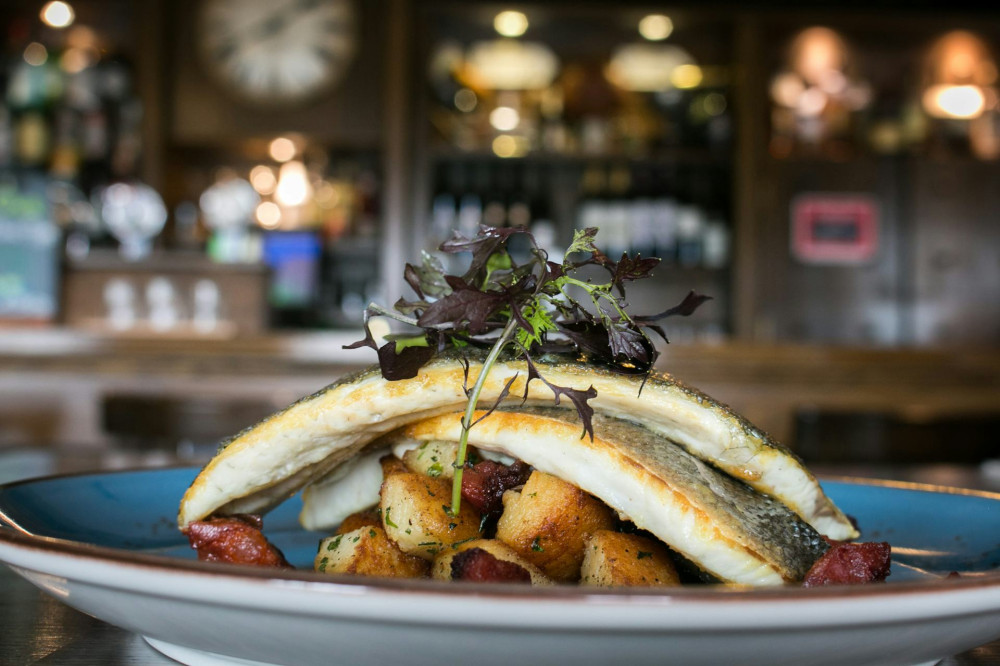
- Fish and white wine: Fish has a delicate flavor easily overwhelmed by the tannins in red wine. A bright white with good acidity – like Sauvignon Blanc or Riesling – enhances the fish’s subtlety.
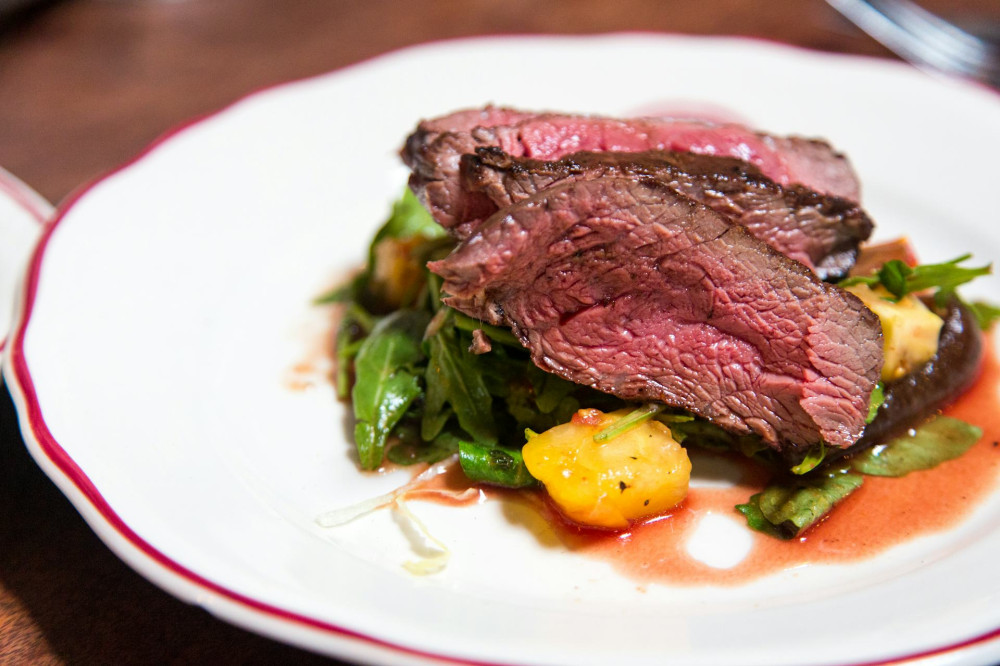
- Meat and red wine: The protein and fat in meat balance the structure of red wine. A Cabernet Sauvignon with steak or a Pinot Noir with poultry creates harmony between strength and finesse.
- Cheese and wine: The right pairing depends on the cheese’s character. A creamy brie calls for something crisp, while a bold blue cheese pairs beautifully with a sweet wine like Port.
- Desserts and sweet wines: If the wine is less sweet than the dessert, it will taste sour. The wine should always be at least as sweet as the dish.
When the Rules Are Meant to Be Broken
While guidelines are helpful, wine and food pairing is ultimately a personal experience. Many modern chefs and sommeliers enjoy playing with contrasts – serving a light red with fish or a dry white with pork. These unexpected pairings can create surprising and memorable moments.
The key is to experiment. Taste, compare, and notice how the wine’s character changes with each bite. Sometimes the magic happens precisely when you break the rules.
Wine as Conversation and Connection
A glass of wine is more than a beverage – it’s part of the atmosphere. Choosing a wine for a meal can spark conversation, invite curiosity, and turn dining into a shared exploration of flavor and feeling. It’s part of the ritual of eating together.
That’s why wine is not just a drink but a balancing point. It can bring people together, create calm and focus, and transform a meal into something more than food. When the glass elevates the meal, it’s not only the taste that changes – it’s the entire experience.
Læs også: