Eat Your Way to a Calm Stomach – How to Support Healthy Digestion

Eat Your Way to a Calm Stomach – How to Support Healthy Digestion
A well-functioning digestive system is key to feeling good, staying energized, and keeping your body in balance. When your stomach feels calm, your whole body benefits — you feel lighter, more focused, and in a better mood. Yet many Americans experience bloating, discomfort, or irregular digestion from time to time. The good news is that small changes in your diet and daily habits can make a big difference. Here’s how to eat your way to a calm, happy stomach.
Listen to Your Gut – It Knows More Than You Think
Your digestive system reacts quickly to what and how you eat. If you often feel heavy or bloated after meals, it may be a sign that your digestion is under strain. Common culprits include eating too fast, consuming too many processed or fatty foods, or not getting enough fiber.
Pay attention to how your body responds to different foods. Some people are sensitive to dairy or gluten, while others may react to excess sugar or artificial sweeteners. Keeping a short food and symptom journal for a couple of weeks can help you identify patterns and triggers.
Læs også:




Eat a Variety of Fiber-Rich Foods
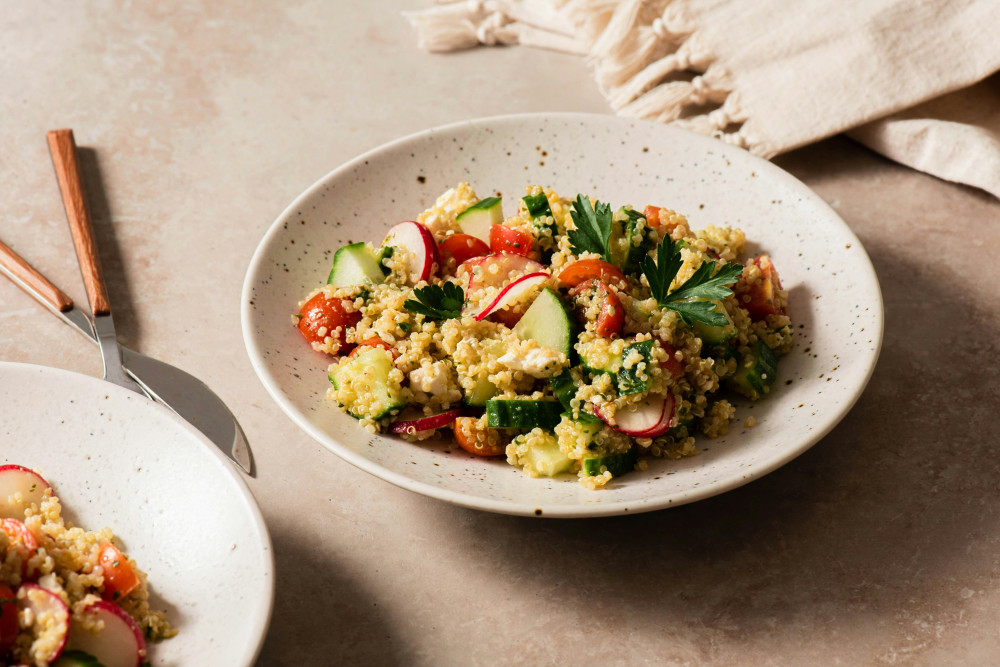
Fiber is your digestive system’s best friend. It helps keep things moving smoothly and nourishes the beneficial bacteria in your gut. You’ll find fiber in whole grains, fruits, vegetables, legumes, nuts, and seeds.
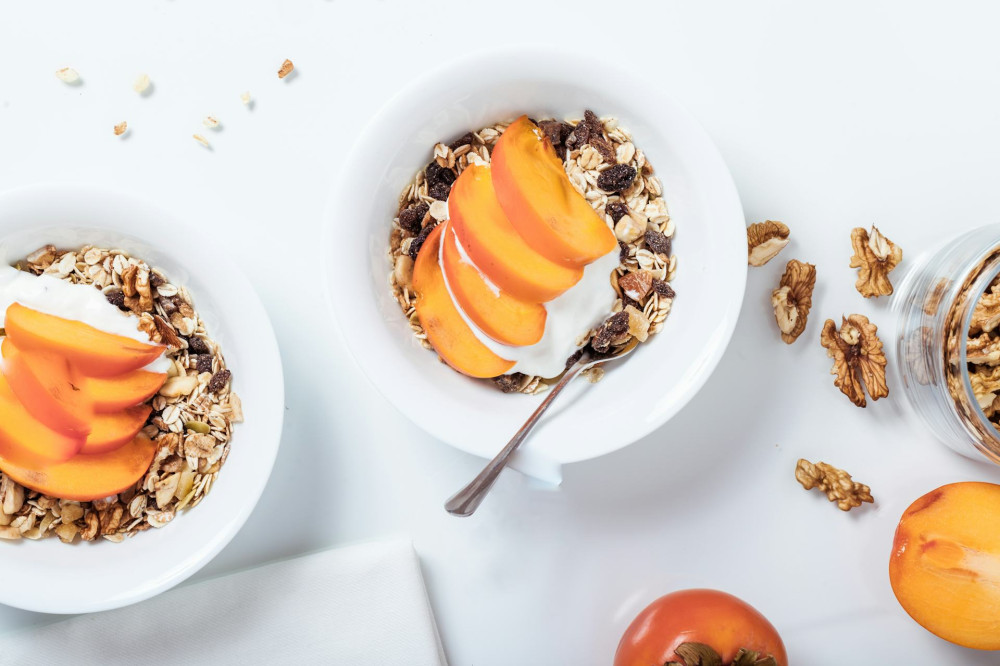
- Start your day with whole grains – oatmeal, whole-grain toast, or bran cereal are great options.
- Fill half your plate with vegetables – include both raw and cooked varieties for balance.
- Add beans and lentils regularly – they’re satisfying, nutritious, and great for gut health.
Increase your fiber intake gradually and drink plenty of water to help your body adjust.
Slow Down and Eat Mindfully
How you eat matters almost as much as what you eat. Eating in a rush or while distracted can interfere with digestion. When you eat slowly, chew thoroughly, and take time to enjoy your food, you help your body process it more efficiently.
Try to create calm around mealtimes: turn off screens, sit down, and focus on your food. This simple shift can reduce stress and send positive signals to your digestive system.
Support a Healthy Gut Microbiome
Your gut is home to trillions of bacteria that play a vital role in digestion and immunity. You can support these beneficial microbes through your diet.
- Include fermented foods like yogurt, kefir, sauerkraut, or kimchi — they contain natural probiotics.
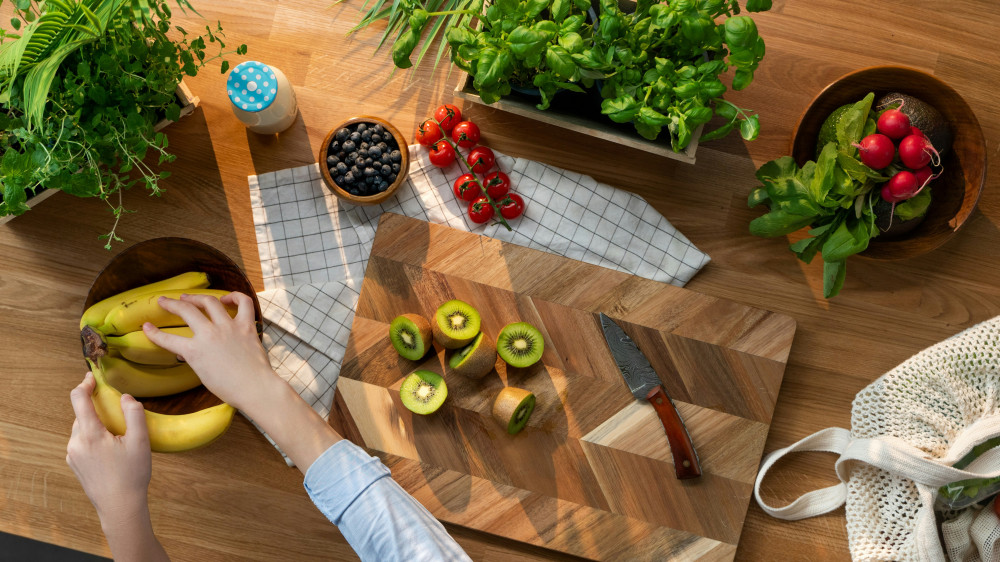
- Eat prebiotic foods such as garlic, onions, leeks, bananas, and oats — they feed the good bacteria.
- Limit excess sugar and alcohol, which can disrupt the balance of your gut flora.
Building a healthy gut microbiome takes time, but consistent habits will help you feel the difference.
Stay Hydrated and Keep Moving
Water is essential for smooth digestion. It helps break down food and move nutrients and waste through your system. Aim for about eight cups of water a day, and add herbal teas if you want variety.
Physical activity also supports digestion. A short walk after meals can stimulate intestinal movement and ease bloating. You don’t need intense workouts — regular, gentle movement is enough to make a noticeable difference.
When Your Stomach Still Feels Off
If you continue to experience digestive issues despite healthy habits, it may be time to consult your healthcare provider or a registered dietitian. Food intolerances, gut imbalances, or stress-related factors can all play a role. Professional guidance ensures you get the right support without compromising your nutrition.
A Calm Stomach, a Calm Body
Eating for a calm stomach isn’t about strict rules — it’s about balance. When you eat a varied diet, take time for your meals, and listen to your body’s signals, you support both your digestion and your overall well-being. A healthy gut is more than just a happy stomach — it’s a foundation for feeling good from the inside out.
Læs også: